

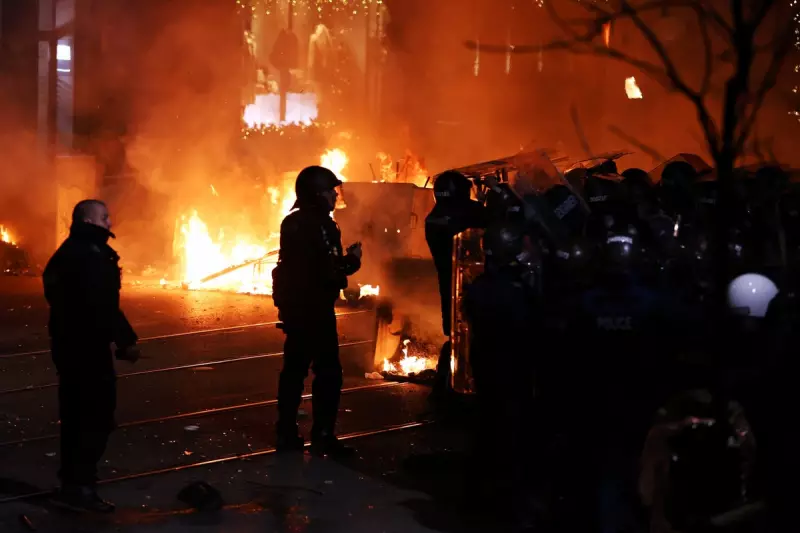
Bulgaria's government has been forced into a major U-turn, withdrawing a highly contentious draft budget after tens of thousands of people took to the streets in protest, leading to violent clashes with police in the capital.
Mass Protests Force Government Retreat
On Tuesday, 2nd December 2025, the Bulgarian administration confirmed it was pulling the proposed budget. This decision came directly after a night of significant unrest, where organisers claimed 50,000 demonstrators gathered in Sofia alone. The government had initially promised to revise the draft following protests last week but later refused, sparking the widespread demonstrations on Monday night.
The main protest in Sofia, notably dominated by a younger demographic, began peacefully. Protesters chanted slogans such as “We will not allow ourselves to be lied to; we will not allow ourselves to be robbed” and demanded the government's resignation. Banners with messages like “Generation Z is Coming” and “Young Bulgaria Without the Mafia” were displayed outside the Parliament building.

Peaceful Rally Descends into Violence
Despite organisers urging for calm and warning of possible provocations, tensions escalated dramatically later in the evening. Small groups of protesters, some dressed in black hoodies and masks, moved towards the offices of the main ruling parties.
Clashes erupted with police as objects including plastic bottles, stones, and firecrackers were thrown at buildings and officers. The situation deteriorated with garbage containers set alight and police vehicles vandalised. Riot police responded with pepper spray to disperse the crowds.
Emergency services reported several injured people were hospitalised, with many more treated at the scene. Police confirmed that 10 individuals were detained during the disturbances, which also spread to other major Bulgarian cities.
Eurozone Ambitions at the Heart of the Dispute
The political and economic crisis stems from fierce opposition to the government's fiscal plans. Critics, including business groups and opposition parties, argued the budget would be financed by higher taxes on businesses and workers, alongside a sharp rise in public debt.
They warned this approach would hurt investment, expand the shadow economy, and spur inflation without improving public service efficiency. This is particularly sensitive as Bulgaria is scheduled to join the Eurozone at the start of next year.
The government, however, had defended its draft as a necessary measure to meet the Eurozone's strict entry requirement of maintaining a budget deficit under 3% of GDP. The withdrawal now leaves its fiscal strategy and Eurozone accession timeline in a state of uncertainty, marking a significant victory for the protest movement.






