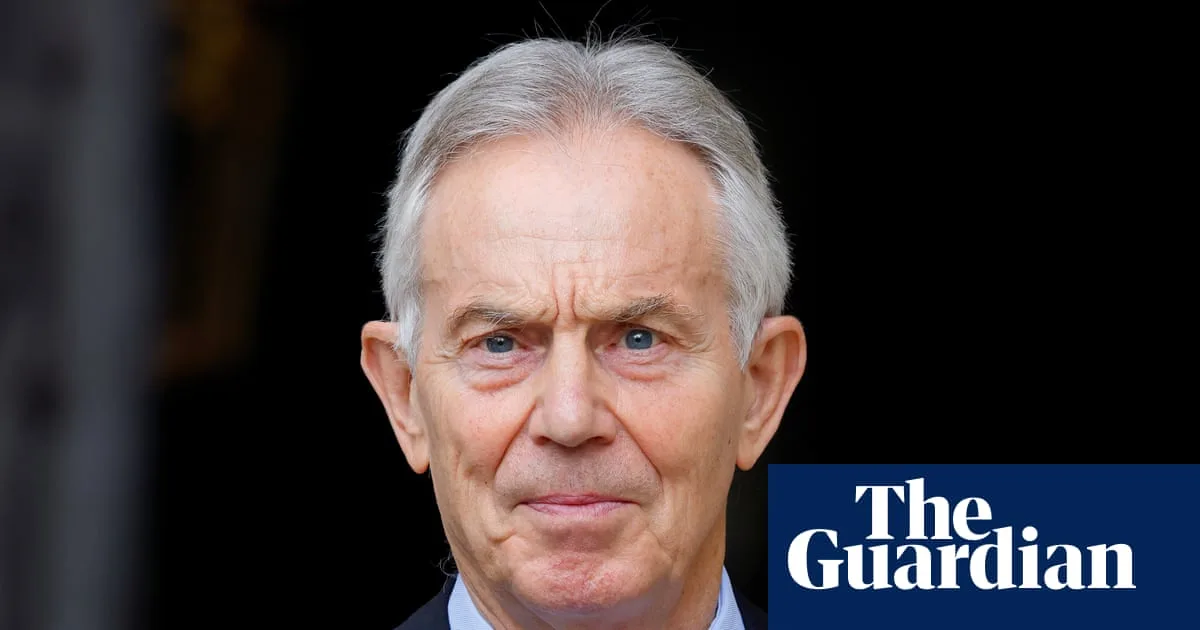
The Tony Blair Institute (TBI) has called on the Labour government to abandon the pensions triple lock, describing the policy as increasingly unaffordable amid mounting pressure on public finances. The former prime minister's think tank argued that the manifesto commitment, which guarantees annual pension increases by the highest of inflation, average wage growth, or 2.5%, should be replaced as part of a broader overhaul of the state pension system.
The triple lock, introduced by George Osborne in 2010, has added billions to government spending following inflation shocks from the pandemic and the war in Ukraine. With the Middle East conflict driving up energy prices and borrowing costs, Chancellor Rachel Reeves has acknowledged the need for difficult choices, but has ruled out scrapping the triple lock, stating: “We made a commitment in our manifesto and we’re not changing that.”
In its report, the TBI warned that Britain's ageing population – expected to increase from 12.6 million pensioners today to nearly 19 million by 2070 – would push state pension spending from 5% to 7.8% of GDP, an extra £85 billion annually. “That would mean higher taxes, deeper pressure on other public services or both,” the think tank said, urging a pre-election pact between major parties to end the triple lock after the next election.
The institute proposed a new “lifespan fund” to replace the current basic and new state pensions. Under the plan, individuals would contribute to a notional fund providing up to 20 years of support, with flexibility to draw on entitlements earlier for unemployment, retraining, or caring. Personalised access would replace the single state pension age.
A Department for Work and Pensions spokesperson reaffirmed the government’s commitment to the triple lock for this parliament, noting that it would increase the yearly state pension by up to £2,100. They added that the Pensions Commission is examining long-term reforms, and that other support options, such as Universal Credit, are available for those not yet at state pension age.