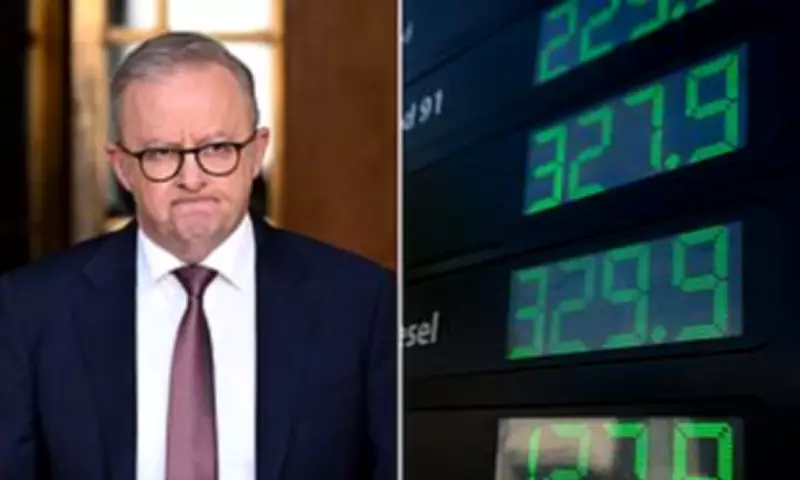
Millions of Australians have been dealt a significant blow as inflation surged to its highest level in nearly three years. The Australian Bureau of Statistics reported on Wednesday that headline inflation rose by 1.1% in March, pushing the annual rate to 4.6%—a sharp increase from 3.7% in February.
Fastest Annual Pace Since September 2023
This marks the fastest annual pace of price growth since September 2023, reversing several months of easing inflation pressures. The latest data is Australia's first inflation reading to capture the economic fallout from the Middle East war, intensifying pressure on the Reserve Bank of Australia (RBA) ahead of its policy meeting next week.
Fuel Costs Surge Amid Global Oil Disruptions
Disruptions to global oil supplies have driven fuel costs sharply higher. Prices jumped approximately 35% over the month, with Brent crude trading around US$110 per barrel on Wednesday, up from roughly US$60 at the start of the year. Oil prices have remained elevated since the conflict began, and fuel was a major driver of the March inflation spike, despite making up only a small share of the CPI basket.

Temporary relief from the Albanese government's halving of the fuel excise is set to expire on June 30, and it remains uncertain whether the measure will be extended. The government has faced criticism for inflation being higher even before the war began.
Core Inflation Remains Stubbornly High
More troubling for policymakers, core inflation rose strongly again and remains well above the RBA's 2–3% target band, signalling persistent domestic price pressures. Australia continues to record higher inflation than any major advanced economy, running about one and a half percentage points above the United States and the United Kingdom.
The strength of the data leaves the RBA with little room to manoeuvre, with economists widely expecting an interest rate rise next week.
Political Debate Over Causes
The Albanese government has pointed to the Middle East war as a key trigger for the latest surge in inflation. However, the opposition argues that price pressures were already building well before the conflict erupted. Inflation rose 3.7% over the year to February, prior to the war, leaving it firmly above the RBA's target band and raising questions about the extent to which global events alone are driving rising prices.