
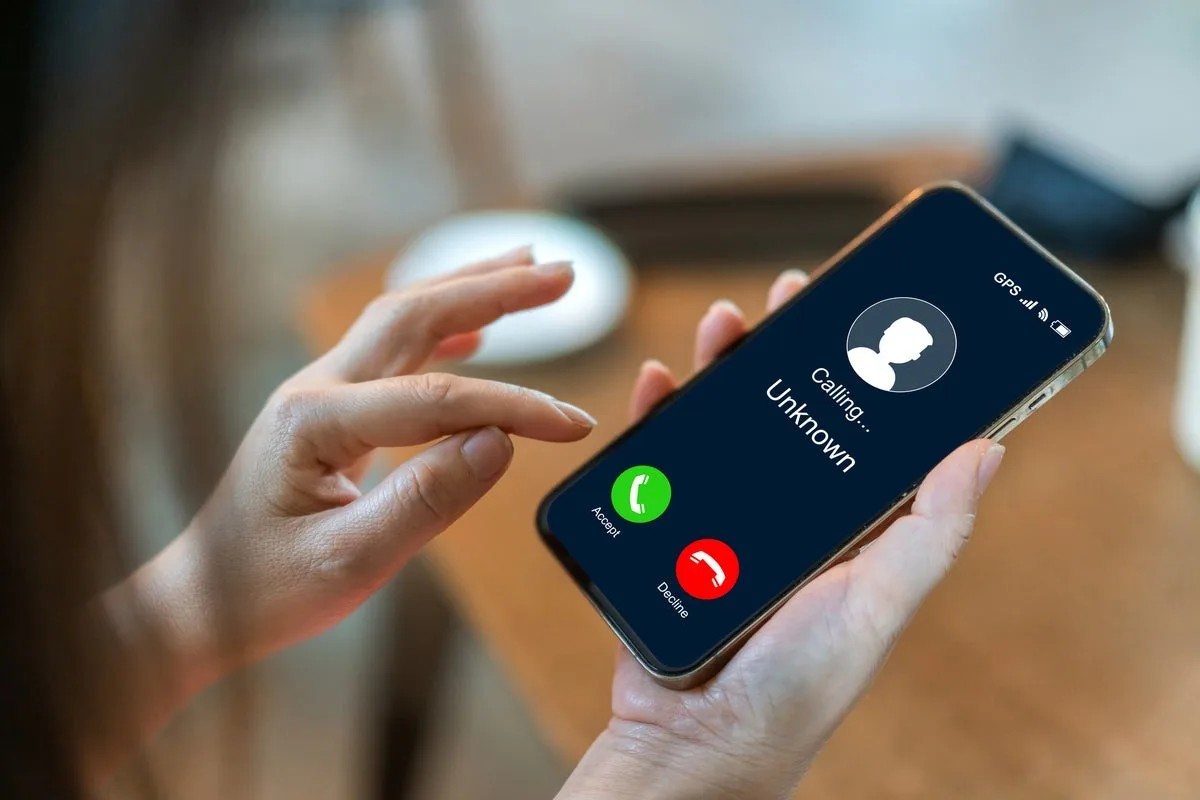
A woman from Dundee, Michigan, has been defrauded of $9,500 after a scammer posing as a sheriff's deputy claimed she had a federal arrest warrant for missing jury duty. The Dundee Police Department reported that the scammer contacted the woman by phone, pretending to be from the Monroe County Sheriff's Office, and even sent a fake arrest warrant via text message.
The victim was instructed not to contact anyone or face immediate arrest. She was then manipulated into withdrawing $9,500 and depositing the money into a Bitcoin machine in nearby Carleton. Once the deposit was made, the scammer ended the call.
After realising she had been scammed, the woman contacted her family and the Monroe County Sheriff's Office to verify the payment, which she believed was a bond. The Dundee Police Department confirmed that several other residents have received similar calls from individuals impersonating sheriff's deputies.
An investigation is underway, with officers working alongside other agencies to recover the stolen funds. The police department emphasised that law enforcement will never demand bond money, cryptocurrency, or gift cards as immediate payment. The phone number used in the scam was 'spoofed', making it untraceable.
To avoid such scams, the Federal Communications Commission advises declining calls from unknown numbers and never sharing personal information with unexpected callers. If a caller claims to represent an agency, hang up and contact the organisation directly using official contact details.




