
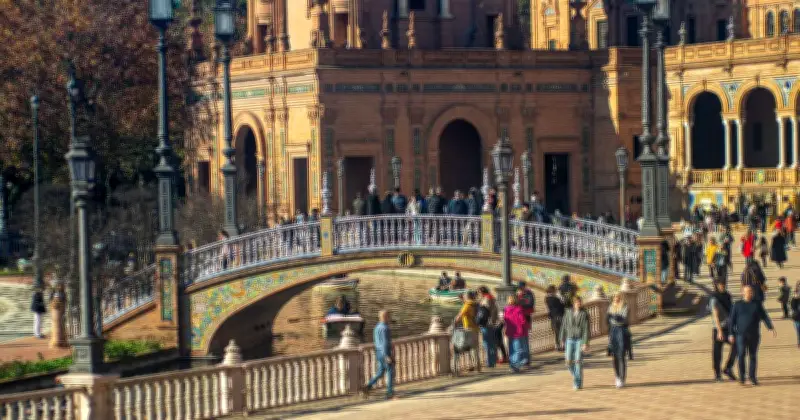
Seville, one of Spain's most beautiful cities, offers a cultural immersion that surprises many visitors, especially during its iconic Feria de Abril. Just a 2.5-hour flight from the UK, the city enjoys balmy temperatures even in winter, but April is arguably the best time to visit. The intense summer heat hasn't arrived, and the city is alive with colour and culture. Orange trees line the streets, outdoor cafés buzz with life, and the scent of jasmine hangs in the air.
First Impressions of Seville
Within an hour of arriving, the first horse-drawn carriage rolled past, blending modern day with a film from the 1900s. The city exudes glamour and flair, making it easy to embrace the culture—whether through trying traditional foods, using the little Spanish known, or simply throwing oneself into the experience. The flamenco dresses, with their different fabrics and patterns, were captivating; every outfit seemed carefully chosen, full of personality, almost like a friendly competition to be the best-dressed.
Feria de Abril: A Week-Long Transformation
Feria de Abril, described as Spain's biggest celebration, takes over daily life for one week every spring. Conversations, family plans, late-night dinners, and even attire all lead back to the fair. While millions of Britons travel to Spain for beaches, this felt like a completely different side of the country. The music, traditions, and pride people had in their city were impossible to ignore, creating a sense of complete immersion rather than observation.
Staying at the Hesperia Sevilla, it became clear the festival isn't confined to one part of the city. Hotel staff discussed which days they were attending, restaurants filled with families meeting before heading out, and groups dressed for the fair appeared around every corner. The effort people put into their outfits was noticeable, knowing they were heading for an evening of music, food, and celebration.
The Heart of the Festival: Casetas
At the centre of Feria are the famous casetas—hundreds of striped marquees lining the fairground, each packed with people eating, drinking, dancing, and catching up. One surprising discovery was that most casetas are private, owned by families, businesses, or social clubs, with memberships passed down through generations. Some families have been returning to the same caseta for decades. While this might seem unusual to British visitors used to open festivals, the casetas are not VIP areas but the heart of the festival, where grandparents, parents, and children come together to keep traditions alive.
Visitors are not left out, however. Public casetas allow anyone to step inside and experience the atmosphere. Some of the best moments came from wandering the fairground, hearing music spill out, and watching people spontaneously dance sevillanas. The dancing became a form of communication, even with a language barrier. People of all ages joined in naturally, with a confidence and pride that felt infectious.
History and Impact
Feria de Abril dates back to 1847, when it began as a livestock fair. Nearly 180 years later, it has grown into one of Spain's biggest annual events, attracting visitors from around the world while holding onto its traditions. After spending a week there, it's easy to understand why so many return year after year. The festival is not just something to watch but something to experience, making it unforgettable.




