
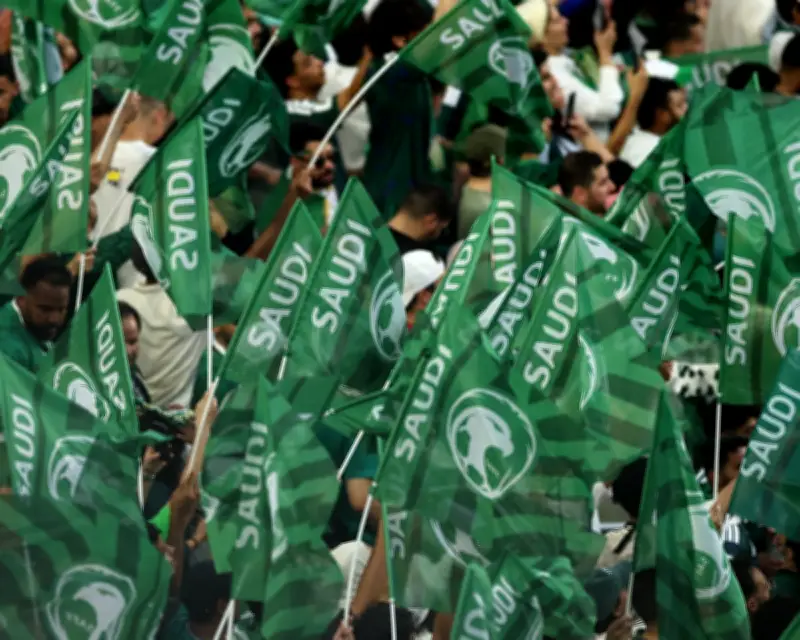
The influence of Saudi Arabia's state-owned oil company Aramco in global football has intensified the sportswashing debate, as the company pours billions into the sport. Critics argue that these investments are a deliberate attempt to divert attention from the kingdom's human rights record, while supporters claim they are a legitimate part of economic diversification.
Aramco's Growing Football Footprint
Aramco has secured major sponsorship deals, including naming rights for the Copa Libertadores and a reported $200 million annual partnership with FIFA. The company's logo appears on match balls, stadiums, and broadcast graphics, making it one of the most visible brands in football. According to a 2025 report by the sports marketing firm SportBusiness, Aramco's total spending on football sponsorships exceeds $1.5 billion since 2020.
The Saudi Public Investment Fund (PIF), which controls Aramco, also owns Newcastle United and has funded the breakaway LIV Golf series. These moves are part of Vision 2030, a plan to reduce the kingdom's dependence on oil by investing in entertainment and sports.
Sportswashing Accusations
Human rights groups have condemned Aramco's football investments. Amnesty International's Middle East research director, Heba Morayef, stated: "Saudi Arabia is using football to whitewash its appalling human rights record, including the jailing of dissidents and the murder of Jamal Khashoggi." Critics point to the kingdom's execution of 81 individuals in a single day in 2022 and its ongoing crackdown on women's rights activists.
The term "sportswashing" was coined to describe such tactics, where nations with poor human rights records host or sponsor major sporting events to improve their global image. Saudi Arabia has not only invested in football but also secured the rights to host the 2034 FIFA World Cup, a decision that has drawn sharp criticism from rights organizations.
Economic Rationale vs. Ethical Concerns
Saudi officials argue that the investments are purely commercial and part of a broader economic transformation. The kingdom's Minister of Sports, Prince Abdulaziz bin Turki Al Faisal, said in a 2024 interview: "We are investing in sports for our people and for the future of our economy. Football is a global passion, and we want to be part of it."
However, the ethical implications remain contentious. A 2025 survey by YouGov found that 62% of British football fans believe that Saudi Arabia's involvement in the sport is primarily a public relations exercise. The Premier League has faced calls to scrutinize the source of funding for clubs like Newcastle United, which is owned by PIF.
Impact on Football Governance
Aramco's influence extends to football's governing bodies. The company's sponsorship of FIFA has raised concerns about the organization's independence. Transparency International's sports integrity unit has called for stricter regulations on state-owned enterprises sponsoring international competitions. In a 2024 statement, the organization said: "FIFA must ensure that its commercial partnerships do not undermine its commitment to human rights."
The debate has also reached the European Union, where lawmakers have proposed a ban on sponsorship by companies linked to authoritarian regimes. The European Parliament's Committee on Culture and Education is currently reviewing a draft resolution that would impose restrictions on such deals.
As Aramco continues to expand its football portfolio, the tension between sport and politics shows no signs of abating. For fans and officials alike, the question remains: can football maintain its integrity when funded by petrodollars?




