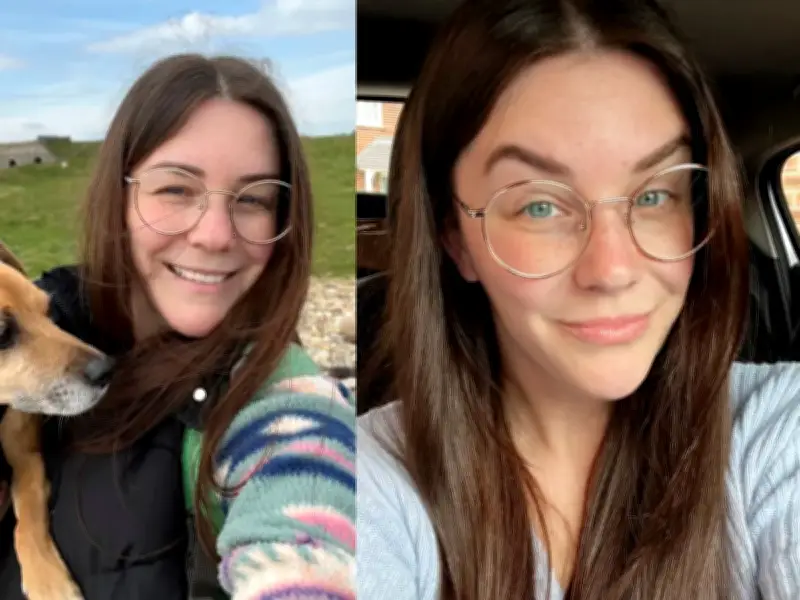
A 32-year-old woman from Yorkshire who accumulated £80,000 in debt has paid off more than £5,000 in two months using 'micropayments'. Svenja Knight, from York, began taking out loans for lipoedema treatment after her diagnosis in 2024, a condition that leaves her in extreme pain and unable to work.
Unable to get treatment on the NHS, she initially took out a £24,000 loan for surgery, but then took out more loans totalling £31,000 to pay off other loans. By July 2026, her debts had grown to more than £80,000, prompting her to use her TikTok account to start paying off her bills with micropayments.
How the micropayment method works
Svenja pays as little as £1 depending on the number of interactions—likes, comments, saves—her videos receive. She screenshots the total engagement each day and calculates an amount that works out to about an eighth of a penny per engagement, which she pays out of her own pocket toward her debt. She has made a small payment every day for 71 days, totalling £5,764.27.

“I just couldn’t keep up with the payments; I kept taking out more loans to keep on top of my medical bills. I know it sounds stupid, because you shouldn’t get into debt just to pay your debt off, but I’ve never been educated on any of that stuff,” she said. “I was basically just trying to survive and it just kept piling up more and more. I’ve paid over £5,000 so far and it’s a huge weight off my shoulders.”
Health struggles and diagnosis
From age 14, Svenja struggled with her health, experiencing bruises and extreme pain in her legs and arms, which affected her mobility. “I’d be in extreme pain, my legs felt like lead and it made walking really difficult. It was the same with my arms - I couldn’t even dry my hair because it was too painful to lift them up for more than a few seconds,” she said.
Assuming her symptoms were “normal” because her mother had the same issues, she only sought help after seeing an Instagram post about lipoedema. She was diagnosed in 2024 with lipoedema, an abnormal build-up of fat in the arms and legs causing swelling, pain, and tenderness. There is no cure, and liposuction, while used for severe symptoms, is often not available on the NHS. The condition is hereditary, and her mother has also since been diagnosed.
“A lot of doctors are actually not educated on lipoedema as an illness which is why I, after trying to get diagnosed the traditional way, had to actually pay for a private diagnosis in order to even get assessed and diagnosed properly,” she said.
Debt spiral and the road to recovery
Around the time of her diagnosis, Svenja worked as a flight attendant, but flying worsened her symptoms due to cabin pressure causing water retention and swelling. She often called in sick and was eventually made redundant. Feeling she had no other option, she took out a £24,000 loan for two liposuction surgeries in Germany, where she was living. The procedures in March 2024 and June 2024 went well, with over 20 litres of “ill fat” removed.
This left her with a monthly bill of £773, about 45% of her wages as a virtual assistant. To keep up, she kept taking out more loans. In September 2025, she developed severe chronic fatigue and could no longer work. “It got to the point where even just getting up and making myself breakfast was too much,” she said. By July 2026, her debts had spiralled to £80,000.
After seeing TikTok creators using micropayments, she started posting daily to @svenjapaysitoff, making payments based on the previous day’s engagement. “I pay an eighth of a penny per engagement, so sometimes my daily payments can be £1 or £2, but then sometimes people kindly make contributions after seeing my videos, and I can pay off a couple of hundred quid,” she said. She hopes to gain 10,000 followers to access the TikTok creator fund. On day 71, she has paid off £5,764.27, leaving £74,876.50.

She considered a Debt Relief Order (DRO), which freezes debts for 12 months and can write them off if finances haven't changed, but it stays on credit scores for six years and could affect mortgage or credit card applications. After research and advice, she decided against it due to potential impact on her UK citizenship application. She is also applying for PIP and hopes to work again when her chronic fatigue improves. “Some people might be wondering why I didn't apply for any financial aid earlier. I would've if I could've. But because my husband's income was on paper always too high for me to receive any benefits, I simply didn't qualify for it. As for the PIP, I could only apply for it after having been diagnosed with ADHD and autism.”