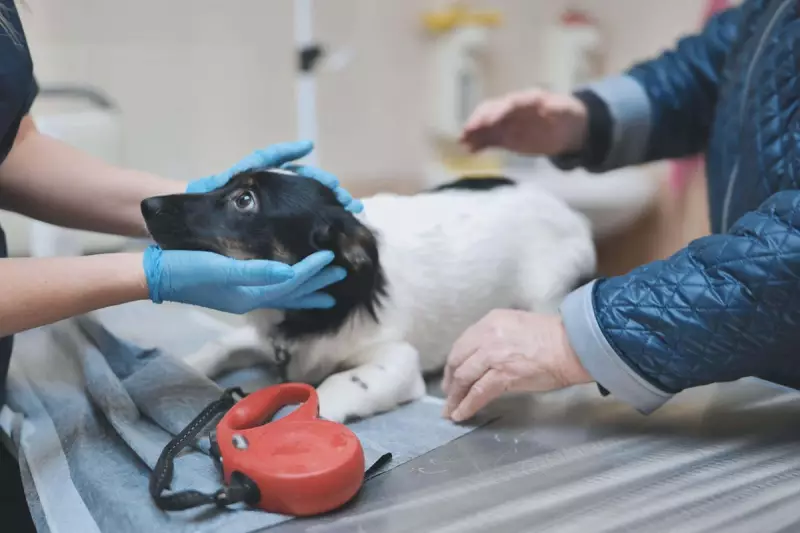
Veterinary Practices Face Mandatory Price Transparency Under New Government Plans
In a significant move to enhance transparency within the veterinary sector, the government has unveiled comprehensive reforms that will compel all veterinary practices to publish detailed price lists for common treatments. The proposals, announced by the Department for Environment, Food and Rural Affairs (Defra), aim to empower pet owners with clearer information and prevent unexpected financial burdens.
Key Components of the Veterinary Industry Overhaul
Under the new framework, every veterinary practice operating in the United Kingdom will be required to obtain an official operating licence, mirroring the regulatory systems already in place for GP surgeries and care homes. This licensing requirement is designed to standardise practices and ensure accountability across the industry.
Furthermore, veterinary clinics must clearly disclose whether they are independent entities or part of a larger corporate chain. This measure is intended to foster greater competition between practices by providing pet owners with a more comprehensive understanding of the market landscape.

Addressing Rising Costs and Information Gaps
The reforms come in direct response to findings from the Competition and Markets Authority (CMA), which revealed that veterinary fees have been increasing at nearly double the rate of inflation. The CMA's investigation highlighted a critical lack of accessible information for pet owners regarding treatment options and associated costs.
Animal welfare minister Baroness Hayman emphasised the familial bond between owners and their pets, stating: "Pets are part of the family, and owners deserve clear information, fair treatment and confidence in the care their animals receive. We're focused on making vet services work better for families by improving transparency, increasing choice and helping people make informed decisions, while continuing to support the professionals who care for our animals."
Supporting Veterinary Professionals and Modernising Services
UK Chief Veterinary Officer Dr Christine Middlemiss underscored the importance of updating the regulatory framework, noting: "Updating these rules will help build a modern veterinary service that is easier for the public to understand and navigate, while strengthening animal health outcomes and supporting a skilled, resilient workforce. Reforming the Veterinary Surgeons Act is a crucial step towards building a stronger, more resilient profession."
The British Veterinary Association has expressed support for legislative reform, with president Dr Rob Williams commenting: "Veterinary teams play a vital role in society, from caring for the nation's animals and supporting our farmers and food production, through to assisting international trade, disease control and public health. If we're to continue delivering this work effectively, we need reformed veterinary legislation."
Industry Response and Consultation Process
Martin Coleman, who chaired the CMA's ongoing inquiry into veterinary services, welcomed the government's initiative: "We welcome the Government's consultation to update this vital regulation and protect pet owners. Our vets investigation is ongoing but we have already set out our strong concern that the current rules are not fit for purpose and need reforming to keep pace with commercial practice and further build pet owner trust in veterinary businesses."
A comprehensive consultation on these proposals will be conducted over an eight-week period, allowing both veterinary professionals and pet owners to contribute their perspectives and help shape the future regulatory landscape.
The government maintains that these reforms will create a veterinary sector that is clearer, fairer, and more transparent for consumers while simultaneously supporting the dedicated professionals who provide essential care to the nation's animals.