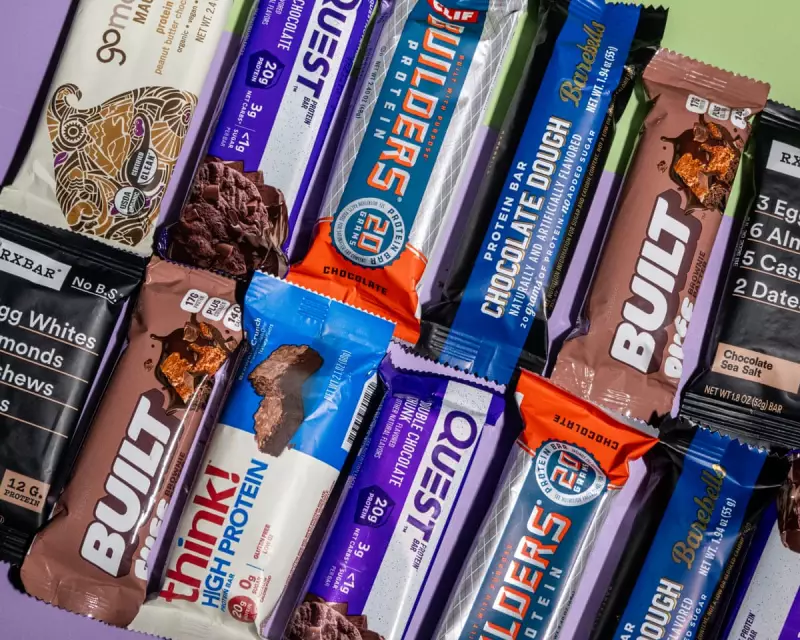
In a rigorous blind taste test conducted by The Guardian, 22 volunteers from the publication's New York City newsroom sampled 12 of the leading protein bar brands available in the United States. The results were stark, with only four bars achieving what was deemed a good flavour score, while others were met with scathing reviews ranging from 'vile' to tasting like 'compacted dust'. The test aimed to determine whether modern protein bars have moved beyond the rubbery textures and overly sweet profiles of their predecessors.
The Methodology Behind the Taste Test
To ensure impartiality, all packaging was removed from the bars, which were then labelled simply from A to L. Volunteers, split into small groups to avoid palate fatigue, sampled six bars each rather than all twelve. Each bar tested was a chocolate flavour or the closest approximation offered by the brand. Water and crackers were provided as palate cleansers, with the water notably running out by the end of the session. Testers completed anonymous feedback forms, scoring each bar on flavour, texture, aftertaste, and overall quality on a scale of one to five.
Top Performers: The Four Bars That Scored Above a 3
Barebells Chocolate Dough emerged as the best overall, with a flavour score of 4 out of 5. Tasters praised its resemblance to a genuine candy bar, with comparisons to a Twix. The bar features a chocolate nougat centre coated with crisps and a milk chocolate shell. However, some noted it was too sweet and left a bitter aftertaste. It contains 200 calories, 20g of protein, and comes with a warning about potential laxative effects from sugar alcohols.

Gatorade Chocolate Chip was selected as the best for high protein content, scoring 3 out of 5. Testers enjoyed its crispy texture and mild cinnamon-like flavour, though it is not listed as an ingredient. With 350 calories and 20g of protein, it is marketed as a post-workout recovery snack. Criticisms included excessive sweetness and a lengthy, complex ingredient list.
NuGo Dark Chocolate Mocha took the title for best vegan option, with a flavour score of 3.4 out of 5. Its crunchy texture and mild coffee notes were appreciated, though some found it overly sweet. The bar is vegan, gluten-free, and made with real dark chocolate as its first ingredient, containing 200 calories and 11g of protein.
Aloha Chocolate Fudge Brownie was crowned the best organic bar, scoring 3 out of 5. Tasters liked its dark chocolate taste and candy-like crunch, comparing it to chocolate ice cream. The bar is organic, vegan, and from a Climate Neutral Certified company. It has 220 calories and 14g of protein, though some noted a lingering aftertaste.
The Underperformers: Bars That Failed to Impress
Eight of the twelve bars scored below average, with testers delivering harsh verdicts. David Protein Bar was described as 'weirdly spongey' and 'mushy', while Quest Nutrition Protein Bar was said to take tasters 'on a journey to sadness'. Clif Bar was criticised for being 'too dense' and 'chalky', and Rx Bar was labelled 'horrible' and a potential choking hazard due to its stickiness.
Think! High Protein Bar received mixed reviews, with some praising its dark chocolate flavour but others calling it 'chalky'. Built Bar was widely panned, with one taster simply stating 'vile'. GoMacro Bar was compared to 'boiled-down leather boots', and Perfect Bar was said to taste like 'compacted dust' and 'soot'.
Conclusion: A Challenging Market for Flavour
The taste test underscores the significant challenge in creating protein bars that are both nutritious and palatable. While a select few have succeeded in delivering enjoyable flavours and textures, the majority still struggle to shed their utilitarian image. As one tester succinctly put it, 'It must be really hard to make a good protein bar, because these basically all sucked.' For consumers seeking a protein boost without sacrificing taste, the top four bars offer viable options, but the market clearly has room for improvement.