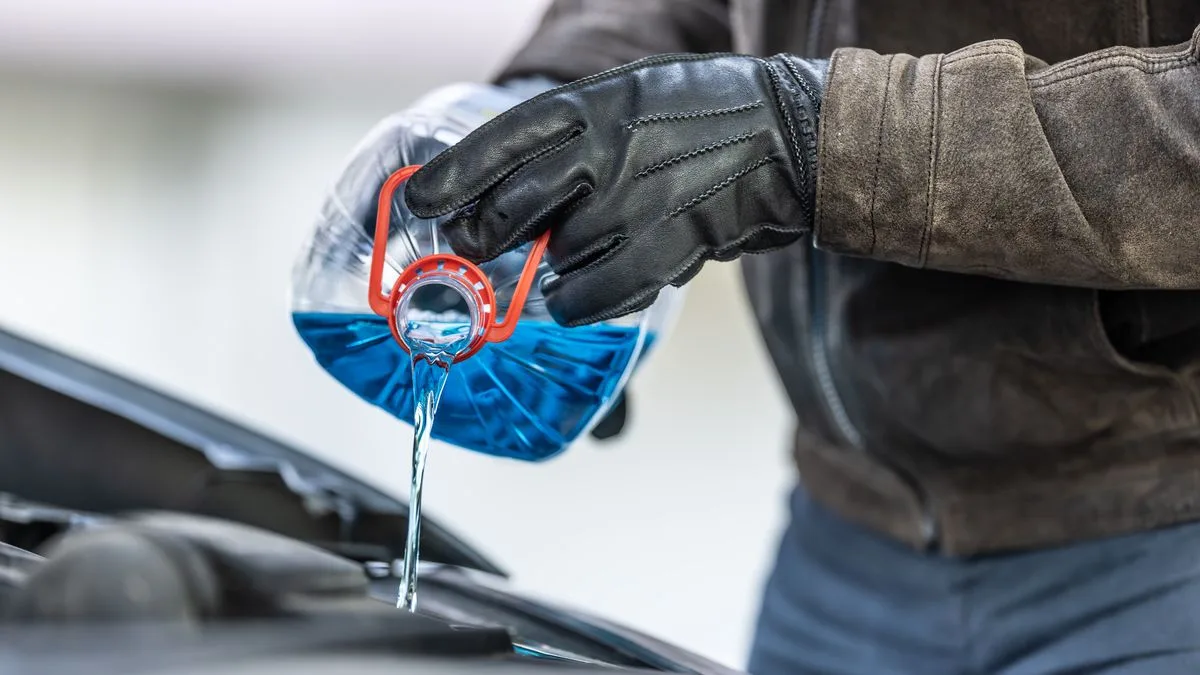
Drivers have been warned to take extra care when using antifreeze this winter, as the chemicals can pose a serious threat to pets. Experts have highlighted that common motoring habits could lead to life-threatening illnesses for dogs, with antifreeze poisoning being particularly dangerous.
Ross Hallifax from pet insurance specialist Purely Pets said that winter driving conditions can expose pets to serious risks, including coma or death in severe cases. Antifreeze, which often contains ethylene glycol, has a sweet taste that attracts animals, and even small spills on driveways or roads can be fatal if ingested.
The PDSA (People's Dispensary for Sick Animals) has urged pet owners to call their vet immediately if they suspect their dog has come into contact with antifreeze, as it is a veterinary emergency. Symptoms of poisoning include increased urination initially, followed by decreased urination, difficulty breathing, and fast breathing. The charity stressed that treatment must begin within 12 hours for the best chance of survival.
To prevent poisoning, drivers are advised to store antifreeze containers out of pets' reach, clean up any spills promptly, and protect pets' paws by using dog booties and wiping them after walks. Salt and grit used on roads can also irritate dogs' paws, causing cracks, inflammation, and chemical burns, and can be toxic if ingested during grooming.
Ross Hallifax recommended trimming long-haired dogs' fur around their feet to prevent ice balls forming between toes, and wiping paws with warm water after every walk. He added that dog booties are a good option when the cold weather sets in.