Britons could see the cost of their package holiday abroad increase even after they book, travel experts revealed today amid concerns over rising jet fuel costs. Some airlines are hiking prices and adapting schedules as a result of the US-Israeli war on Iran which has disrupted the jet fuel supply route via the Strait of Hormuz.
Jet Fuel Shortages and Consumer Caution
Experts fear jet fuel shortages within weeks, and some consumers are holding off booking holidays or flights in case they are cancelled over the coming months. But while some Brits have already booked summer trips in the hope of avoiding price rises, a new ITV Tonight documentary has revealed how they might not be immune.
Under the Package Travel Regulations law, UK holiday firms can add up to 8 per cent to the cost of a package holiday without providing the right to free cancellation. This is only allowed under certain circumstances – but one of these is a significant rise in fuel costs, which airlines have faced since the conflict began on February 28.
One expert speaking on 'Holiday Havoc: Where Should You Go?', airing on ITV1 at 7.30pm this evening, said even those who have paid could face a price increase. Jo Rhodes from consumer group Which? explained: 'The package holiday providers can ask for more money from you even after you've booked. Up to 8 per cent of what you've paid - anything over that and you have a right to cancel for a full refund.'
Industry Warnings and Price Trends
Paul Charles, chief executive of travel consultancy the PC Agency, warned that price increases are not over yet. He said: 'Prices have already risen this year, but we haven't seen the end of it. Travelers will be paying more over the coming months.' The jet fuel price increased from about $99 (£73) per barrel at the end of February to as high as $209 (£155) at the start of April – although it has fallen in recent weeks to $179 (£132), according to the latest International Air Transport Association data.
Industry leaders and airlines have warned in recent weeks about the potential for more flight cancellations due to a lack of jet fuel – with travellers told to be on alert.
How European Airlines Are Responding
- Aegean Airlines: The Greek airline expects suspended Middle East flights and a spike in fuel prices to have a 'notable impact' on its first-quarter results.
- Air France-KLM: The airline group said it planned to increase long-haul ticket prices to address surging fuel costs, with cabin fares set to rise by €50 (£43) per round trip. Dutch arm KLM said on April 16 it would cancel 160 flights in Europe in the coming month due to rising fuel costs.
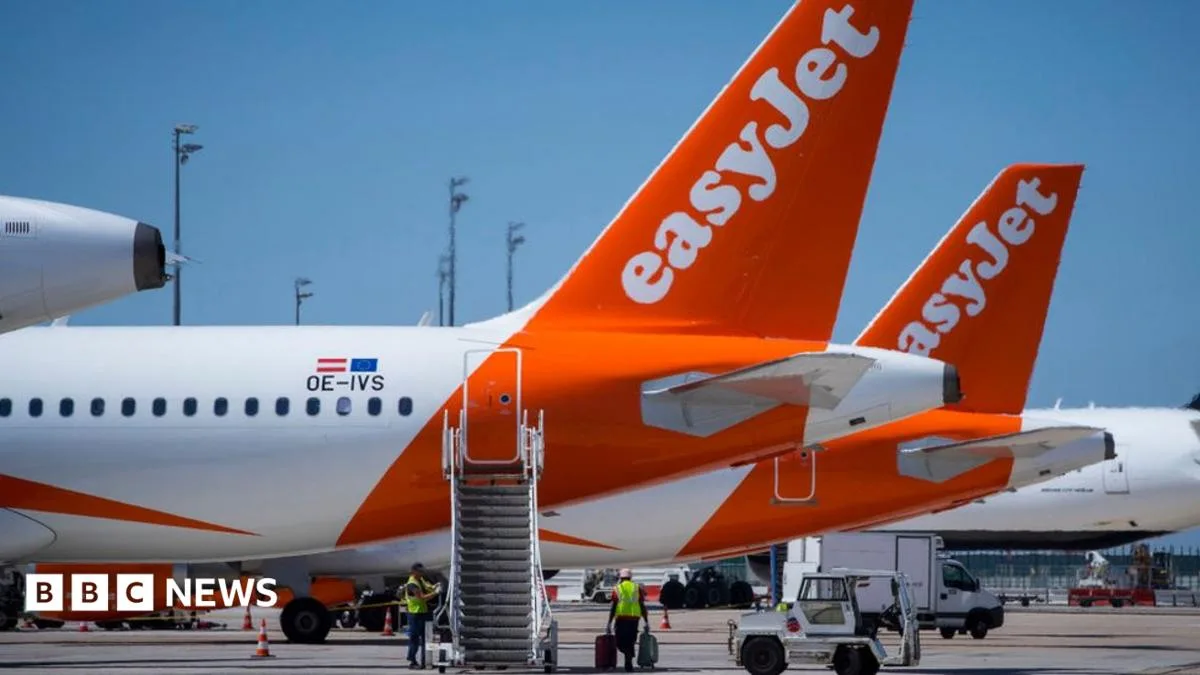
- EasyJet: EasyJet warned of a bigger half-year pre-tax loss of between £540million to £560million, including £25million in extra fuel costs in March.
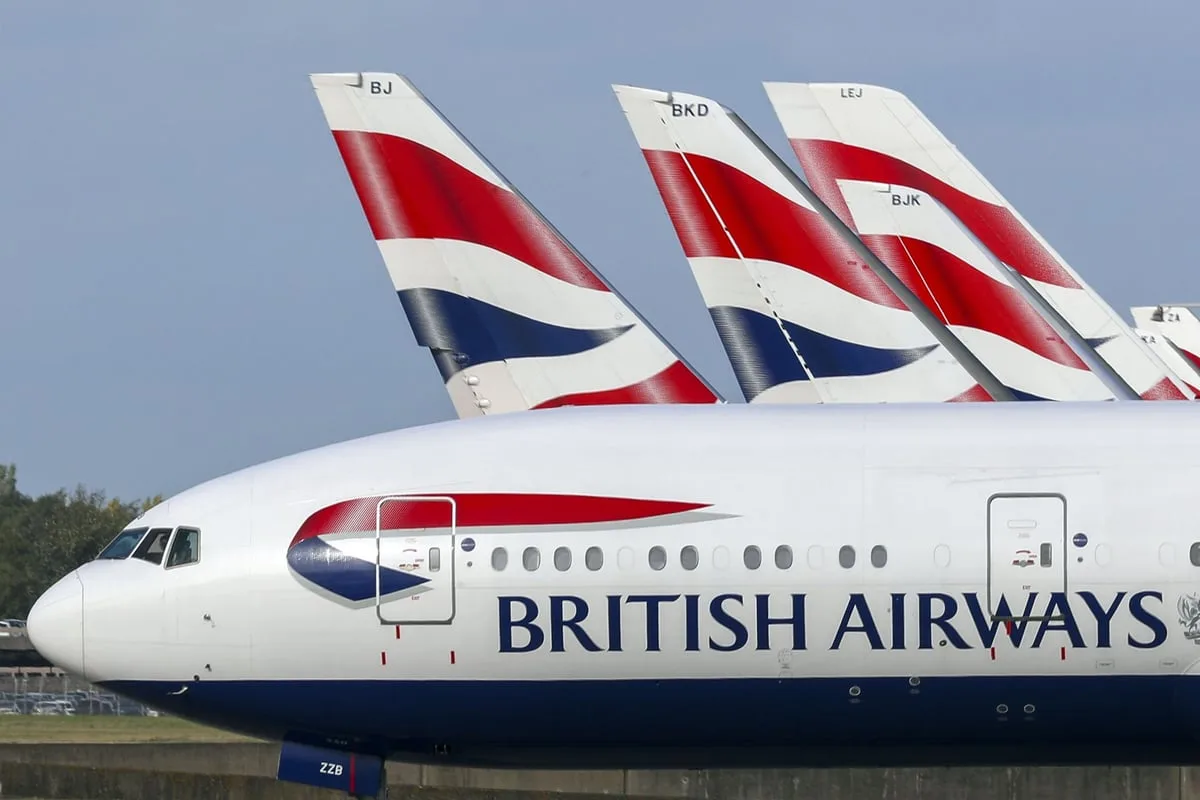
- IAG (British Airways-owner): IAG said it would raise ticket prices to reflect higher jet fuel costs, as, despite its fuel hedges, it was 'not immune' to the broader fallout from fuel cost volatility.
- Lufthansa: The German airline group unveiled a new 'Economy Basic' low-cost fare option for short- and medium-haul flights, which will limit free carry-on bags to only a 'laptop bag or a small backpack'. The group previously said 20,000 short-haul flights would be removed from its schedule through October, equivalent to about 40,000 metric tons of jet fuel.
- Ryanair: Ryanair boss CEO Michael O'Leary said the risk of a jet fuel supply shortage in Europe is receding, but it had lowered some fares for flights between June and September to stimulate demand which had been 'a little bit weaker' than for April and May.
- SAS: The Scandinavian airline said it would cancel 1,000 flights in April because of high jet fuel prices, after canceling a few hundred in March.
- TAP: The Portuguese airline said price hikes would partially mitigate impacts of fuel price changes on its revenue.
- TUI: The European airline and tour operator cut its full-year underlying profit outlook and suspended revenue guidance, saying it had incurred about €40million (£35million) in extra costs due to the war in March, including repatriation efforts and operational disruptions.
- Turkish Airlines and Lufthansa (SunExpress): SunExpress, a joint venture between Turkish Airlines and Lufthansa, said it would impose a temporary fuel surcharge of €10 (£9) per passenger from May 1 on routes between Turkey and mainland Europe. The surcharge will apply to bookings made on or after April 1 for departures on or after May 1.
- Virgin Atlantic: The airline is adding fuel surcharges to fares but will still struggle to return to profitability this year, its CEO Corneel Koster said.
- Volotea: The Spanish low-cost airline introduced a new pricing policy linking ticket prices to fuel costs, which could potentially add a post-purchase surcharge of up to €14 (£12) per passenger, per flight.
Advice for Travellers
Mr Charles said: 'You need to be checking your emails and your messages every day, because the airlines themselves are under pressure to cancel flights, maybe for profitability reasons or because there's not enough jet fuel.' He added: 'It'll be choppy over the next few weeks. There will be delays, there will be cancellations, and it's not for the faint hearted.'
Meanwhile Ms Rhodes advised people to opt for a package holiday because it is a 'much safer way to travel in the sense that if anything goes wrong, you're going to be fully looked after, you're protected by the Package Travel Regulations.' She said those travellers who do wish to book flights and hotels separately should try to fly with a UK or EU airline because they receive more protection.
Consumer Concerns
The documentary also hears from a mother called Nicole who is concerned about travelling to Turkey with her children next month, after booking her first holiday abroad there for 15 years. In a clip exclusively shared with the Daily Mail, she says: 'Are we going to be safe? Are the kids going to be safe? What if things escalate? What if we get stuck? Being stuck over abroad is petrifying, especially with two young children.'
'I did explore the idea of transferring our holiday elsewhere. But the flights have all gone up in price, so the holidays have gone up in price. So transferring somewhere else is not really an option that we have.' Nicole said her concerns were heightened after her sister-in-law Kim had her honeymoon in Thailand disrupted, when the conflict caused flights through Doha to be rerouted.
Turkey is considered generally safe for travel by the UK's Foreign Office, but it does warn that 'regional escalation poses significant security risks and has led to travel disruption'.
Legal Framework for Price Increases
Holiday companies can increase the price for an already-booked package holiday for three reasons: when the destination unexpectedly brings in additional taxes or other costs; there is a significant change in currency; or the cost of fuel or power unexpectedly rises. The cost can be increased by up to 8 per cent without having to offer you free cancellation. If the increase is above 8 per cent, they must allow consumers to cancel for free. Additional payment can only be requested up to 20 days before your trip – and if the possibility has been stated in the terms and conditions.
But Which? reported that On The Beach, BA Holidays, Trailfinders, Destination2, Kuoni, Jet2holidays, Olympic Holidays or Beachcomber Tours had all committed to not surcharging. EasyJet told the group that it has never surcharged and has 'no plans to in 2026', while Loveholidays said it 'has not imposed surcharges before and we have no intention of doing so in the future'. Lastminute.com said that while it would not surcharge, it could not guarantee customers would not pay more for airlines' extra costs. Jet2, Tui and Virgin Atlantic all confirmed to MoneySavingExpert that they have no plans to increase prices retrospectively.
Air France-KLM Cuts Outlook
Meanwhile Air France-KLM today cut back its 2026 outlook as it said higher fuel prices caused by the war would weigh down its fuel bill by more than a third. The airline group which also includes budget airline Transavia said it now expects to expand capacity by 2 to 4 per cent this year, down from its earlier forecast of 3 to 5 percent. Air France-KLM announced a net loss of €252million (£218million) in the first quarter, an increase of 1 per cent from the same period last year.
'While fuel price increases are not yet reflected in the results we present today, they are expected to weigh on the coming quarters,' said chief executive Benjamin Smith. Air France-KLM, like many other European airlines, tries to cushion the impact of price swings by locking in supplies in advance, and said it did not feel the impact in March. Despite this the airline group said it expects to add €2.4billion (£2.1billion) to its annual fuel costs, with €1.1billion (£0.95billion) in this quarter. Like other airline groups, Air France-KLM said it had increased fare prices to compensate.
'Tonight - Holiday Havoc: Where Should You Go?' is on ITV1 tonight at 7.30pm.