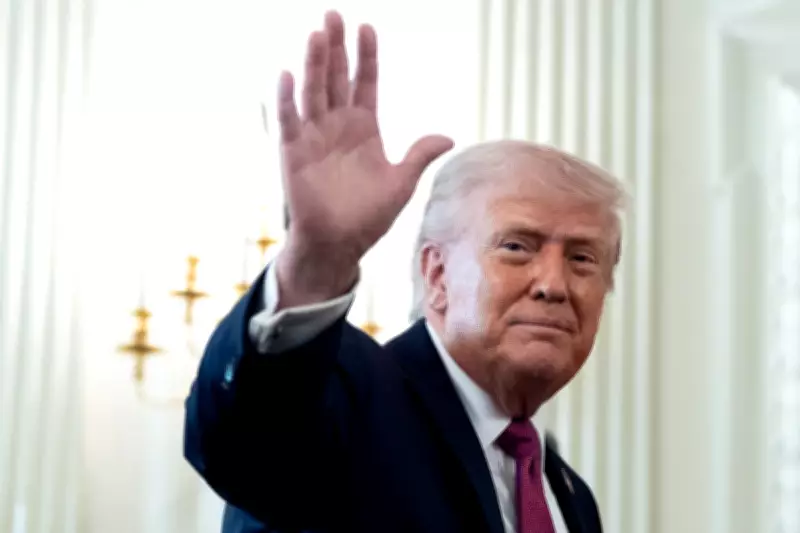
The Trump administration has taken a significant step by reclassifying state-licensed medical marijuana as a less-dangerous drug, marking a major policy shift long sought by advocates who argued that cannabis should never have been treated like heroin by the federal government. Acting Attorney General Todd Blanche signed an order that moves medical marijuana from Schedule I—reserved for drugs with no medical use and high abuse potential—to the less strictly regulated Schedule III.
What the Order Changes
While the order does not legalize marijuana for medical or recreational use under U.S. law, it alters how the substance is regulated. Licensed medical marijuana operators will now benefit from a significant tax break and face fewer barriers when conducting research on cannabis. The order also establishes an expedited system for state-licensed medical marijuana producers and distributors to register with the U.S. Drug Enforcement Administration (DEA).
Blanche stated that the Department of Justice is "delivering on President Trump's promise" to expand Americans' access to medical treatment options. He added, "This rescheduling action allows for research on the safety and efficacy of this substance, ultimately providing patients with better care and doctors with more reliable information."

Impact on State Programs
Blanche's action largely legitimizes medical marijuana programs in the 40 states that have adopted them. It clarifies that cannabis researchers will not be penalized for obtaining state-licensed marijuana or marijuana-derived products for their work. Additionally, state-licensed medical marijuana companies can now deduct business expenses on their federal taxes for the first time. Any marijuana-derived medicine approved by the Food and Drug Administration is similarly listed in Schedule III.
The regulation of medical marijuana has evolved significantly since California became the first state to adopt it in 1996. Blanche noted that "the vast majority of States maintain comprehensive licensing frameworks governing cultivation, processing, distribution, and dispensing of marijuana for medical purposes," demonstrating a sustained capacity to achieve public-interest objectives, including protecting public health and safety and preventing diversion into illicit channels.
Broader Context and Future Steps
The order represents a major policy shift for the U.S. government, which has maintained its longstanding marijuana prohibition dating to the Marijuana Tax Act of 1937, even as nearly all states have approved cannabis use in some form. Currently, two dozen states plus Washington, D.C., have authorized adult recreational use of marijuana, 40 have medical marijuana systems, and eight others allow low-THC cannabis or CBD oil for medical use. Only Idaho and Kansas ban marijuana outright.
Marijuana or marijuana-derived products not distributed through a state medical marijuana program will continue to be classified in Schedule I. The Trump administration is launching a new administrative hearing process beginning in June to consider the broader rescheduling of marijuana. Schedule III drugs are defined as having moderate to low potential for physical and psychological dependence, though some critics argue that legalization has led to stronger cannabis products requiring further research.
The Justice Department under President Joe Biden had previously proposed reclassifying marijuana, eliciting nearly 43,000 formal public comments. The DEA was still reviewing the proposal when Trump succeeded Biden in January, and Trump ordered the process to move along as quickly as legally possible. Blanche's order sidestepped the review process by relying on a provision of federal law that allows the attorney general to determine the appropriate classification for drugs regulated pursuant to an international treaty.

It remains unclear how the order might affect operations in states where licensed recreational marijuana shops also sell to medical patients. For example, in Washington state—which legalized adult-use marijuana in 2012—302 of 460 licensed stores have endorsements allowing them to sell tax-free cannabis products to registered patients. Many Republicans oppose loosening marijuana restrictions, and more than 20 Republican senators, several staunch Trump allies, signed a letter last year urging the president to maintain current standards. Trump has made his crusade against other drugs, especially fentanyl, a feature of his second term, ordering U.S. military attacks on Venezuelan and other boats suspected of ferrying drugs and signing an executive order declaring fentanyl a weapon of mass destruction.