Trader Joe's Massive Frozen Rice Recall Expands Over Glass Contamination
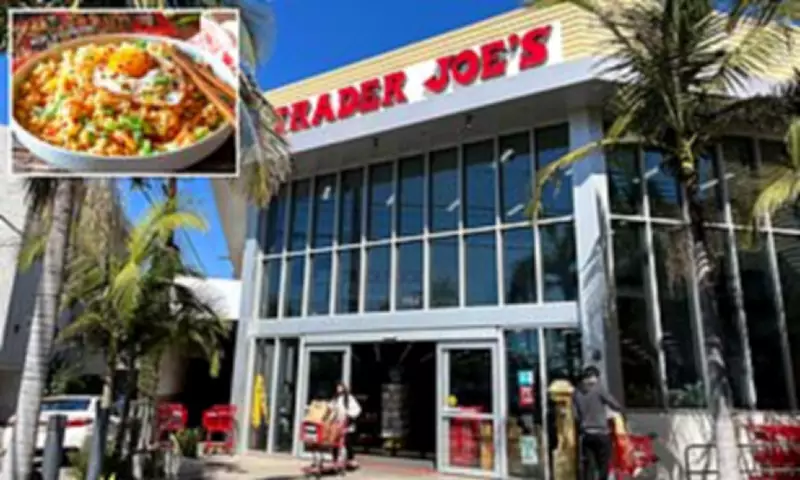
Trader Joe's has significantly widened a major recall of its popular frozen fried rice dinners after health regulators discovered contamination with small, hard pieces of glass. The recall, which involves products manufactured by Ajinomoto Foods North America, now encompasses an estimated 47 million pounds of frozen goods distributed across 43 states.
Recall Timeline and Scale
The initial recall began in February, covering 3.4 million pounds of product. This was followed by a substantial expansion on March 3, adding 33.6 million pounds. The most recent announcement from the Food and Drug Administration (FDA) on March 20 included another 9.9 million pounds, bringing the staggering total to approximately 47 million pounds. The newly added items include Vegetable Fried Rice and Japanese-Style Fried Rice With Edamame, Tofu and Hijiki Seaweed.
Source of Contamination and Consumer Complaints
The investigation traced the source of the glass fragments to frozen carrots, an ingredient used across multiple recalled products. The company has received at least four direct complaints from customers who reported finding small glass pieces in their food. While there have been no confirmed injuries linked to the recalled items so far, authorities remain deeply concerned.

The USDA's Food Safety and Inspection Service (FSIS) has classified this as a Class II recall. This is the second-most severe classification, indicating a situation where use of the product "may cause temporary or medically reversible adverse health consequences or where the probability of serious adverse health consequences is remote." Officials worry that millions of these potentially hazardous products may still be sitting in consumers' freezers nationwide.
Serious Health Risks Posed by Glass
Swallowing glass fragments presents a grave and potentially life-threatening health hazard. Glass is sharp, rigid, and does not dissolve in the digestive system. The shards found in these products ranged in size from about one centimeter (similar to a small aspirin tablet) to three centimeters (roughly the length of a standard paperclip).
Depending on their size and shape, these fragments can:
- Slice through soft tissue as they travel through the digestive tract.
- Become lodged, tearing the stomach lining or puncturing the intestinal wall.
- Lead to peritonitis, a dangerous abdominal infection requiring emergency surgery.
- In rare cases, cut blood vessels, causing severe internal bleeding.
Product Identification and Consumer Action
Trader Joe's has issued a clear statement: "If you have packages of the products listed above, please do not use them. Please discard the product or return it to any Trader Joe’s for a full refund."
Consumers are urged to check their freezers for the following identifiers on the packaging:
- Item number: 5650233
- Barcode (on individual bag): 00521482
- Establishment number inside the USDA mark of inspection: P-18356, P-18356B, or P-47971
The USDA website provides a full list of specific lot codes involved. The affected products were distributed to retail locations in Alaska, Alabama, Arkansas, Arizona, California, Colorado, Connecticut, Delaware, Florida, Georgia, Idaho, Illinois, Indiana, Kansas, Kentucky, Louisiana, Massachusetts, Maryland, Michigan, Minnesota, Missouri, Mississippi, Montana, North Carolina, North Dakota, Nebraska, New Hampshire, New Jersey, Nevada, New York, Ohio, Oklahoma, Oregon, Pennsylvania, Rhode Island, South Carolina, Tennessee, Texas, Utah, Virginia, Washington, Wisconsin, and Wyoming. Some products were also available in Canada and Mexico.
A critical question remains unanswered: Neither the initial nor the expanded recall notices from the FDA and FSIS have explained how the glass contamination originated in the carrots in the first place. As the investigation continues, the primary focus remains on preventing consumer harm from products that may still be in homes across the country.