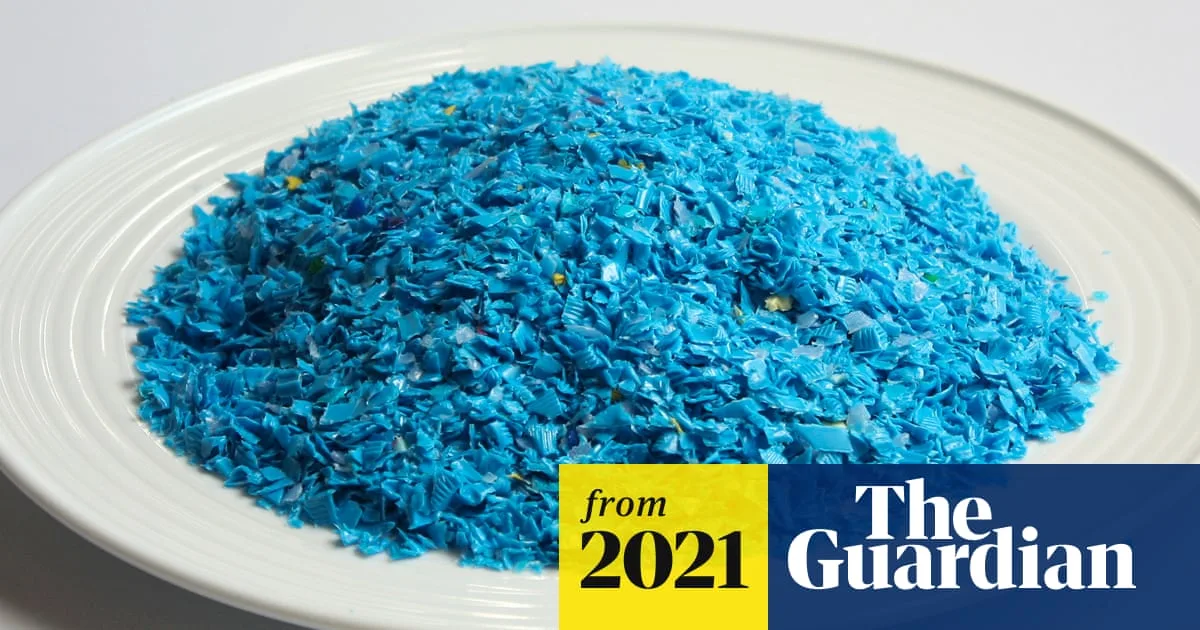
Microplastics have been found in every sample of supermarket rice tested in a new study from Queensland, Australia, raising concerns about the extent of plastic contamination in the food chain. The research, led by Dr Jake O'Brien from the Queensland Alliance for Environmental Health Sciences, detected plastic in rice grown in Thailand, India, Pakistan and Australia, regardless of whether it was packaged in plastic or paper.
The study found that a 100g serving of uncooked rice typically contains 3.7mg of microplastics if unwashed, 2.8mg if washed, and 13.3mg for instant rice in microwaveable pouches. Washing rice reduced plastic levels, but the study used filtered water, whereas most households use tap water, which itself contains microplastics. Precooked rice had the highest plastic content, likely due to additional processing rather than packaging.
Microplastics, defined as pieces or fibres smaller than 5mm, have been found in a wide range of foods including tea, salt, seaweed, milk, seafood, honey, sugar, beer, vegetables and soft drinks. They are also present in tap water, bottled water, airborne dust, and even human placentas and faeces. Experts warn that while the health risks remain unclear, the pervasive nature of plastic pollution demands caution.
Professor Mark Taylor of Macquarie University, an expert on environmental contamination, said: 'Nobody really knows the answer. But the absence of evidence is not evidence of absence.' He advised reducing plastic use at home where possible. Professor Ian Musgrave, a toxicologist at the University of Adelaide, noted that while the tiny amounts of microplastics consumed may not be absorbed, the inability to demonstrate damage is not a reason for complacency.