Research Reveals Why Paying for Friends' Experiences Boosts Happiness
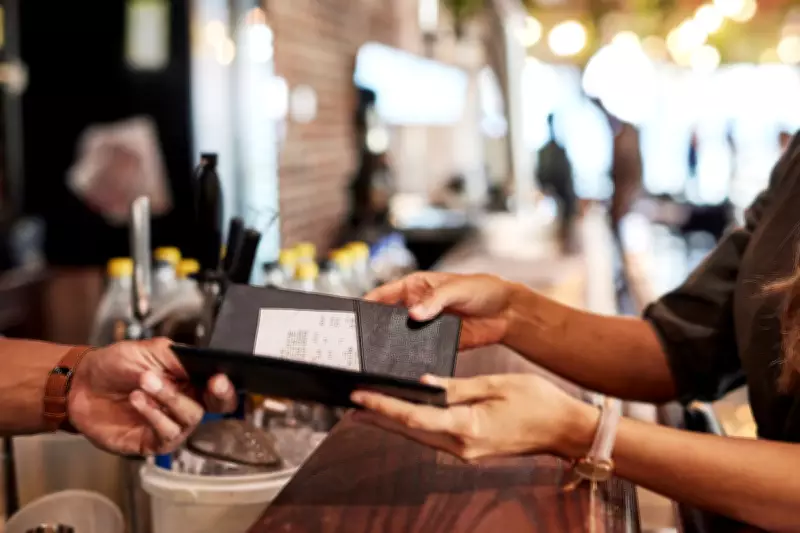
New psychological research suggests that how you handle upfront payments during social outings can have surprising effects on emotional well-being. The study, published in the journal Psychology and Marketing, indicates that covering the full cost of an experience for yourself and a close friend can actually increase happiness, despite the financial impact.
The Social Dynamics of Shared Payments
When planning activities that require advance payment—such as cinema tickets, theatre admissions, or theme park entry—the question of who pays can influence the social atmosphere before the event even begins. Navigating payment arrangements with colleagues, close friends, or new acquaintances can be challenging and potentially disrupt the social dynamics that make shared experiences valuable.
Our research, conducted with 2,640 participants across three experiments, presented a common scenario: going to the cinema with either a best friend or a casual acquaintance. Half of the participants were told they would split the cost equally, while the other half were informed they would cover the entire expense for both individuals. Participants then reported how happy they would feel about this purchase.

The Close Friends Effect
Across all three studies, when participants imagined attending with their best friend, they reported significantly greater happiness when paying the full amount compared to splitting the cost. In contrast, when participants envisioned going with an acquaintance, the payment method had no measurable effect on their happiness levels.
This difference stems from the distinct norms and expectations governing various relationships. Interactions with close friends typically follow communal norms, where people help each other based on care and need without expecting immediate repayment. Conversely, interactions with strangers and acquaintances usually adhere to exchange norms, which prioritize balance and direct reciprocity.
In line with these social frameworks, participants reported lower expectations of repayment when covering costs for best friends compared to acquaintances. Higher repayment expectations were consistently linked to reduced happiness, explaining why paying for close friends feels more rewarding.
The Experience Economy Context
Despite ongoing financial pressures and cost-of-living challenges, evidence suggests many people continue prioritizing experiences over material goods. Experiences involve creating memorable events rather than merely purchasing services. Psychological research consistently shows that experiences contribute more substantially to happiness than material possessions.
A significant portion of the benefit derived from experiences depends on sharing them with others. Investing in experiences allows people to spend quality time together and connect in ways that material purchases often cannot facilitate. Factors such as companionship quality, conversation depth, and mutual interest alignment can influence happiness as much as the experience content itself.
Testing Alternative Explanations
The research team, including coauthors Belinda Barton and Natalina Zlatevska, examined several potential mechanisms behind these findings. They investigated whether payment methods affected conversation smoothness, created social awkwardness, represented relationship investments, or influenced how participants were perceived by others.
None of these factors significantly changed based on payment arrangements or relationship closeness, indicating they did not explain why paying for close friends enhances happiness. Instead, the key factor appears to be how relationship-specific reciprocity norms make payments feel either transactional or genuinely generous, subsequently affecting emotional responses.
Practical Implications and Limitations
While the research suggests that paying for others can increase happiness, the authors caution against extravagant financial gestures. The experiments focused exclusively on inexpensive experiences like cinema visits, so covering expensive trips or major purchases may not yield the same emotional benefits.

Additionally, if friends already owe money, expectations of repayment might increase, potentially diminishing the happiness derived from further generosity. The emotional benefits appear strongest in contexts where communal norms naturally operate within established close friendships.
This research highlights how subtle financial decisions during social interactions can significantly impact emotional well-being, particularly within close relationships where generosity aligns with established social norms.