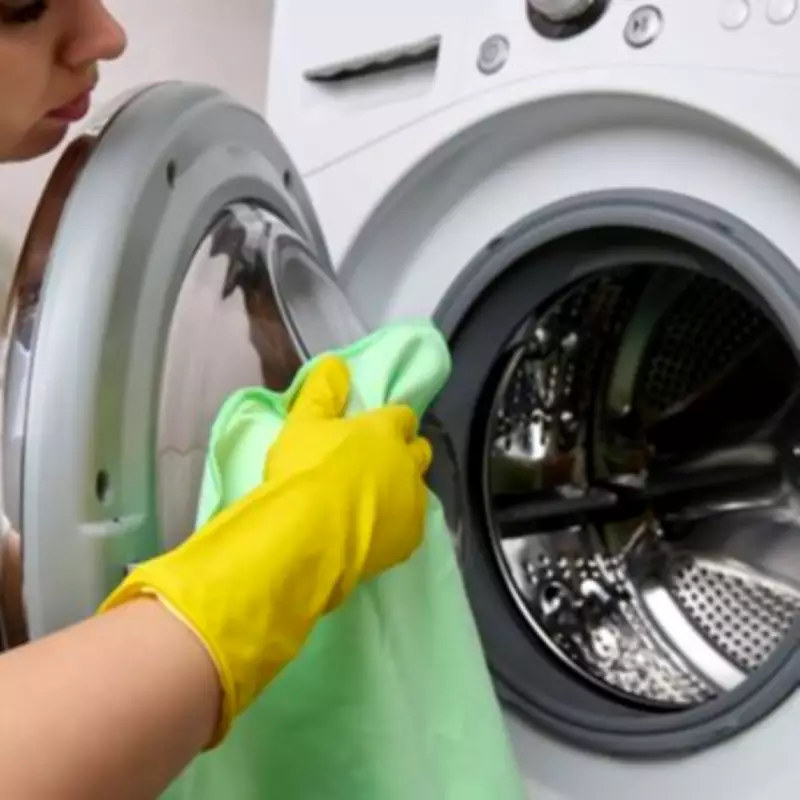
Households across the UK are being cautioned against a common cleaning practice that could lead to significant appliance damage. Experts at the consumer advocacy organisation Which? have issued a stark warning: using white vinegar to clean washing machines may cause serious problems, and they urge the public to opt for specialised washing machine cleaners instead.
The Risks of Vinegar in Appliance Maintenance
White vinegar has long been celebrated as a versatile and cost-effective cleaning agent, often paired with bicarbonate of soda for various household tasks. Its popularity stems from its ability to tackle grime and odours without the high price tag of many commercial products. However, when it comes to maintaining washing machines, this household staple might do more harm than good.
According to Which?, the acidic nature of vinegar can gradually deteriorate the rubber and plastic components inside washing machines. This includes critical parts such as the silicone door seals, which are essential for preventing leaks and ensuring efficient operation. Over time, this degradation could lead to malfunctions or even render the appliance unusable, resulting in costly repairs or replacements.

Manufacturer Recommendations for Proper Cleaning
Washing machine manufacturer Beko provides clear guidelines on how to keep these appliances in top condition. They recommend a thorough cleaning every one to three months, depending on usage frequency. This process should involve multiple steps to ensure all parts are properly maintained.
- Detergent Drawer: Remove and wash separately in the sink to prevent detergent buildup.
- Filter: Clean every three months or whenever it becomes clogged to maintain optimal performance.
- Drum: Use suitable cleaners on a hot cycle every three to six months to eliminate residue and odours.
- Door Seals and Exterior: Wipe down with a cloth as needed, using washing-up liquid for stains on the outside.
Additionally, running a self-cleaning programme, if available, can help maintain the machine's hygiene. It is crucial to consult the user manual for specific instructions tailored to your appliance model, as cleaning requirements may vary.
Alternative Cleaning Solutions
Instead of relying on vinegar, Which? suggests a simpler and safer approach: run a hot cycle at 60 degrees Celsius or higher once a month, incorporating a dedicated washing machine cleaner. These products are widely available in supermarkets and other retailers that stock cleaning supplies. They are formulated to effectively clean without causing damage to the machine's internal components.
This method not only helps remove dirt, mould, and detergent residues but also prolongs the lifespan of the appliance. By avoiding acidic substances like vinegar, households can prevent unnecessary wear and tear, ensuring their washing machines remain functional for years to come.
In summary, while vinegar may be a go-to for many cleaning tasks, it is best kept out of the washing machine. Following expert advice and manufacturer guidelines can save both money and hassle in the long run.