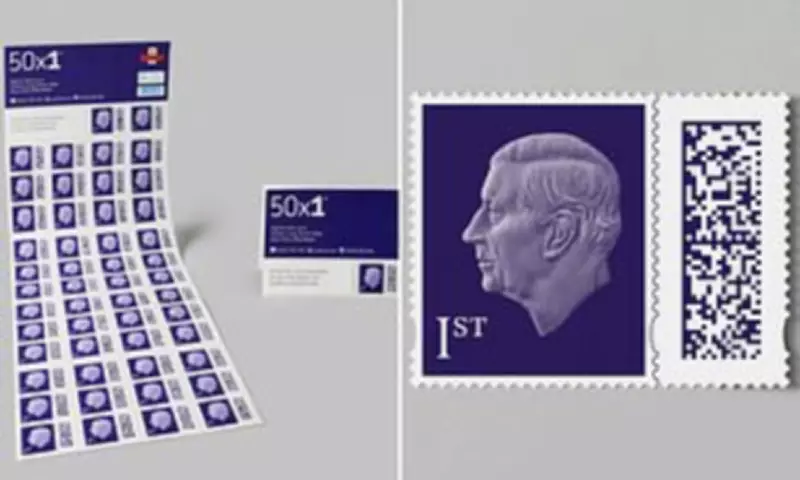
Royal Mail has announced a significant price increase for postal stamps, with first class rates rising by 10p to £1.80 starting next month, despite the company's ongoing failure to meet delivery performance targets. Second class stamps will also see a 4p hike, bringing their cost to 91p from April 7.
Eight Price Rises in Six Years
This latest adjustment means the price of a first class stamp has more than doubled over the past six years through eight separate increases. Similarly, second class stamps have experienced six price hikes during the same period, placing additional financial pressure on consumers who rely on postal services for essential communications.
Persistent Delivery Failures
Royal Mail admitted last month that it missed its delivery targets again in the most recent quarter, continuing a pattern of underperformance that has persisted for more than half a decade. The last time the company met its annual target for delivering first-class post on time was in the 2019-20 period.

Anne Pardoe, head of policy at Citizens Advice, expressed strong criticism of the situation. 'More than half a decade has gone by since the company met its delivery targets and people still face a gamble,' she stated. 'Many remain uncertain if their important documents or letters, such as medical appointments, will arrive on time. Things only risk getting worse when cuts to delivery days and reduced performance targets come into full effect.'
Calls for Accountability
Ms Pardoe argued that Ofcom, the communications regulator, 'simply cannot wave through these increases any longer' and insisted that higher prices 'must come with higher standards.' She advocated for stamp price rises to be directly tied to Royal Mail's performance on doorstep delivery metrics.
The company has been summoned to face Members of Parliament who have raised serious concerns about what they describe as 'chaos' in the postal service since Christmas. There have been suggestions that some letters are being delivered in 'batches' rather than through regular daily service.
Royal Mail's Justification
Royal Mail defended the price increases, citing continued rises in delivery costs as letter volumes decline and the number of addresses increases across the United Kingdom. Richard Travers, managing director of letters at Royal Mail, explained: 'We always consider price changes very carefully, balancing affordability with the rising cost of delivering mail.'
He provided context for the changes, noting that 'on average, UK adults now spend just £6.50 each year on stamps and there are 70% fewer letters sent than 20 years ago. In the meantime, the number of addresses we deliver to has increased by four million to 32 million addresses across the UK.'
European Price Comparisons
The company argued that despite the increases, UK stamps remain cheaper than the European average, where second-class stamps typically cost £1.56 and first-class stamps average £1.93.
Ongoing Service Reforms
Royal Mail, whose owner International Distribution Services was acquired last June for £3.6 billion by Czech billionaire Daniel Kretinsky's EP Group, has repeated its call to 'urgently move forward' with service reforms. Ofcom cleared the company last year to scrap second-class letter deliveries on Saturdays and change the service to every other weekday, changes that have been introduced as a pilot across 35 delivery offices.
However, the company remains in intensive negotiations with the Communications Workers Union after failing to agree on how to implement universal service changes across its extensive 1,200-strong network. Month-long talks concluded on March 2 without agreement and have been extended for an additional two weeks.
Mr Travers emphasized: 'To protect the service for the future we need to urgently move forward with implementing universal service reform to support a more modern, more reliable and more sustainable service for our customers.'
The combination of rising prices and declining service reliability presents significant challenges for both consumers and businesses that depend on consistent postal delivery for their daily operations and personal communications.