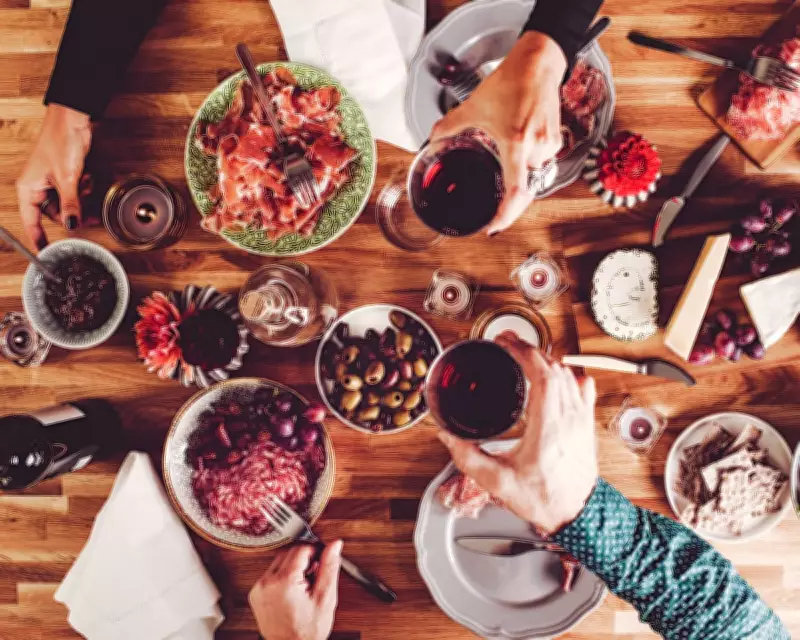
In recent years, the traditional dinner date has undergone a significant transformation, evolving from a simple meal into a sophisticated courtship ritual. This shift reflects a broader cultural movement where food is increasingly intertwined with romance, offering couples a chance to connect on a deeper level beyond mere sustenance.
The Evolution of the Dinner Date
Historically, dinner dates served as a straightforward way for people to get to know each other, often in casual settings like restaurants or cafes. However, modern trends have elevated this experience, with many now viewing meals as opportunities to create memorable, intimate moments. From candlelit dinners at home to curated tasting menus at high-end establishments, the focus has shifted towards ambiance, presentation, and shared experiences that foster emotional bonds.
Key Elements of Romantic Dining
Several factors contribute to the romanticization of dining experiences. First, the rise of social media has popularized visually appealing meals, encouraging couples to seek out photogenic dishes that enhance the aesthetic appeal of their dates. Second, there is a growing emphasis on authenticity and connection, with many preferring homemade meals or interactive dining options like cooking classes together. Third, the pandemic accelerated the trend of at-home dining, leading to more personalized and intimate settings where couples can focus on each other without distractions.

Impact on Relationships and Social Dynamics
This trend is not just about food; it has profound implications for how relationships develop. By incorporating elements of romance into meals, couples can strengthen their emotional intimacy, communicate more effectively, and build shared memories. Experts suggest that such rituals can reduce stress and increase satisfaction in partnerships, as they provide dedicated time for bonding away from the hustle of daily life.
Challenges and Criticisms
Despite its popularity, romantic dining faces some criticisms. Critics argue that it can create pressure to perform or spend excessively, potentially leading to financial strain or unrealistic expectations. Additionally, there are concerns about exclusivity, as not everyone has access to the resources needed for elaborate dining experiences. However, proponents counter that romance can be found in simple, affordable meals if the focus remains on connection rather than extravagance.
Future Trends in Romantic Dining
Looking ahead, the fusion of food and romance is likely to continue evolving. Innovations such as virtual dining experiences, personalized meal kits, and eco-friendly options are gaining traction, offering new ways for couples to engage. As society places greater value on mindfulness and well-being, romantic dining may increasingly incorporate health-conscious and sustainable elements, further enriching the courtship process.
In conclusion, dinner has indeed been served with a side of romance, marking a cultural shift where meals are no longer just about eating but about nurturing relationships. This trend highlights the enduring power of food to bring people together, transforming ordinary moments into extraordinary connections.