In a heated debate over the role of children in British pubs, readers are calling for these establishments to be declared adults-only zones. This follows reports that some pub landlords are banning children after incidents of unsafe and unruly behaviour, sparking a broader discussion about the traditional pub environment.
The Case for Adults-Only Pubs
Many argue that the traditional British pub has historically served as a wind-down space for adults. It is a place for adult conversations, laughter with friends, and enjoying alcoholic beverages without the responsibility of supervising children or maintaining decorum in their presence. As one reader from Bournemouth, Dorset, noted, adults do not invade children's spaces like playgrounds or ball pits, suggesting pubs should similarly remain reserved for grownups.
Inside the pub, where alcohol consumption is prevalent, it is emphasised that the atmosphere should cater solely to adults. However, there may be flexibility for family-friendly areas, such as beer gardens during daytime hours, at the discretion of the landlord.

Broader Implications of Entitlement
The issue extends beyond pubs, touching on a wider culture of entitlement. Another reader from Garstang, Lancashire, shared an anecdote about a theatre administrator receiving a compensation claim from a solicitor after a client fell on ice en route to a performance. This highlights how some individuals abdicate responsibility after making purchases, whether for tickets, drinks, or other items, raising concerns about liability and societal norms.
This sentiment is echoed in the pub debate, where landlords like Egil Johansen face pressure from customers who may neglect their duties, including supervising their children in public spaces.
Divergent Opinions and Historical Context
Opinions on the matter vary, with some readers expressing support for stricter policies. One individual from Eastbourne, East Sussex, referenced the comedian WC Fields, quipping that "any man who hates dogs and children can't be all bad," underscoring a preference for adult-centric environments.
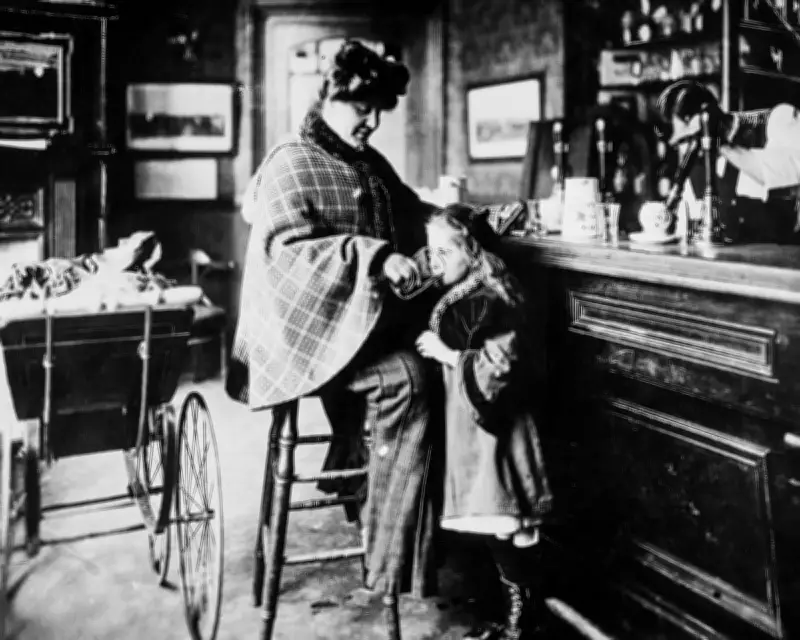
The discussion is rooted in historical context, as illustrated by a scene from a British pub circa 1910, where adults were depicted drinking alcohol in a setting seemingly designed for mature interactions. This nostalgia reinforces the argument that pubs have long been adult-oriented spaces.
Looking Ahead
As the debate continues, readers are encouraged to share their views on this and other topics in the Guardian's letters section. The conversation highlights ongoing tensions between family inclusivity and the preservation of traditional pub cultures, with potential implications for public policy and social behaviour in the years to come.