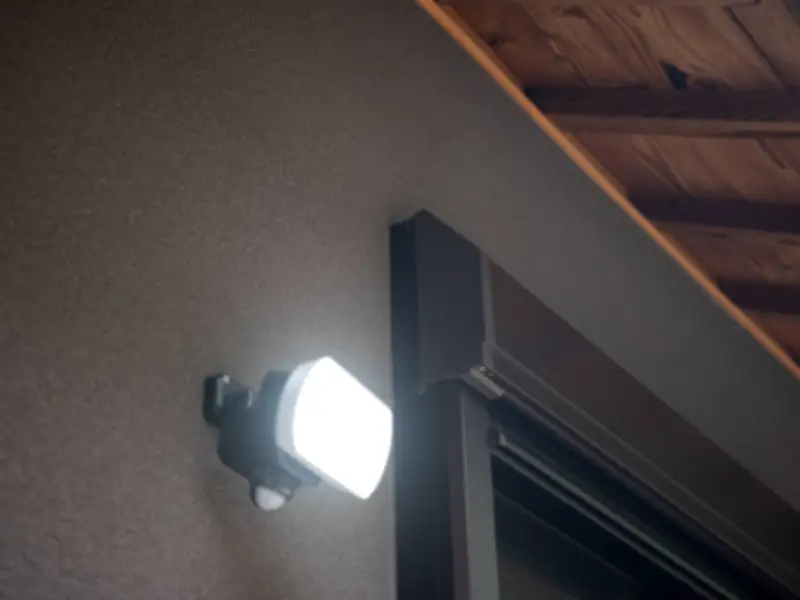
Motion-activated security lights are common across UK homes, but they can be triggered by passing animals or other harmless causes, leading to irritation and sleep disruption for neighbours. Officials say such lights are a regular source of complaints to councils.
Legal framework under the Environmental Protection Act 1990
The Environmental Protection Act 1990 obliges local councils to investigate complaints about artificial light that could be a 'statutory nuisance'. Security lights, along with decorative building or landscape lighting, laser shows, light art, and sports facilities, are covered under the act.
When assessing complaints, councils may consider the timing, duration, frequency, and location (urban or rural) of the light, whether it interferes with property enjoyment, any health implications, and its impact on a reasonable person. Unusual sensitivities are excluded.
What constitutes a statutory nuisance
There are no fixed thresholds for light to be deemed a statutory nuisance. For it to qualify, the light must unreasonably and substantially interfere with the use or enjoyment of a home or other premises, or cause or be likely to cause injury to health. Special provisions apply to businesses, trade, industrial and sports club premises. The act excludes airports, harbours, railway premises, defence installations, prisons, premises occupied by visiting armed forces, tramway premises, bus stations, public transport operating centres, goods vehicle operating centres, and lighthouses.
A 2013 policy paper noted that a Defra research project found outdoor security lights were a common source of complaints to local authorities, likely because they can be very intrusive, especially when poorly designed, directed, operated, or maintained.
Council action and abatement notices
According to the gov.uk webpage on the 1990 act, if councils agree that a statutory nuisance is happening, has happened, or will happen, they must serve an abatement notice. This requires the responsible person to stop or restrict the light. The notice is usually served on the person responsible but can also be served on the owner or occupier of the premises. Natural light is not covered by statutory nuisance laws.
Practical advice for affected residents
In 2025, a resident wrote to the Times newspaper about a neighbour's bright white LED light shining directly into their sitting room. The neighbour suggested closing curtains. Ed Cracknell, a partner at law firm Russell-Cooke, advised keeping a log of when the light activates, along with photographic evidence, and writing a letter to the neighbour explaining the impact and requesting adjustments. He warned such disputes can be costly and time-consuming, and noted that disputes are disclosed on property sales, potentially putting off buyers.
The Barristers Inc website states that not all light is a nuisance. The legal test is whether the light is unreasonable in the circumstances, meaning it must be more than a minor annoyance or personal sensitivity. If normal curtains or blinds can effectively block the light, it is unlikely to be considered a nuisance. Courts and local authorities weigh several factors on a case-by-case basis.