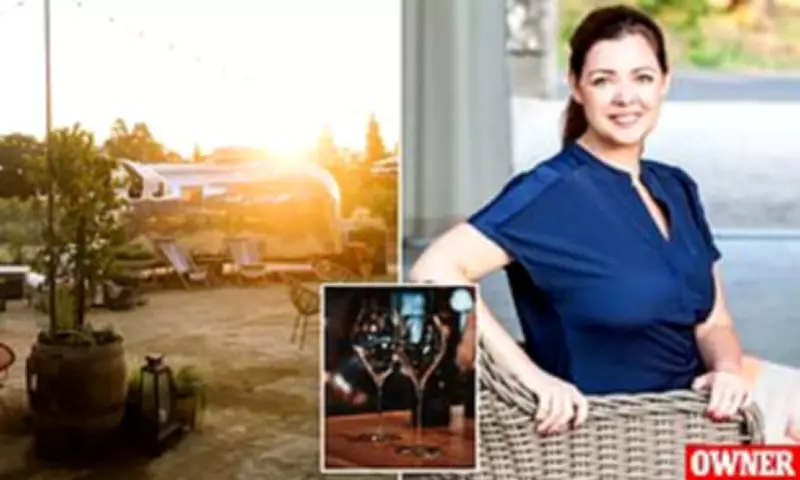
California Winery Owner Ordered to Pay Nearly $4 Million in Fines
Lindsay Hoopes, the owner of Hoopes Vineyard in Napa Valley, has been hit with nearly $4 million in penalties and court costs after losing a prolonged legal battle with Napa County. The dispute centers on whether her eight-acre property can host wine tastings, yoga classes, and other public events without permits.
Years-Long Court Battle Over "Public Nuisance" Allegations
Napa County filed a lawsuit in 2022, accusing Hoopes of creating a public nuisance by allowing activities like wine tastings and yoga sessions on her vineyard. The county also cited unpermitted structures, including a 120-square-foot chicken coop, and the sale of non-wine items such as greeting cards and hand sanitizer. According to officials, these actions violated local regulations.
The conflict hinges on the interpretation of the "Small Winery Exemption," a rule for wineries established before 1990. Napa County argues this exemption does not permit tastings or events without proper authorization, while Hoopes has challenged this stance repeatedly, continuing to welcome the public onto her property despite warnings.

Judge's Ruling and Hefty Penalties
In a recent ruling, a judge sided with the county, ordering Hoopes to cease all on-site tastings, public events, and sales. The nearly $4 million in fines includes more than half allocated to cover the county's private attorney fees from the lengthy legal proceedings. Art Hartinger, representing Napa County, justified the costs by citing Hoopes' "relentless and aggressive nature," noting her frequent motions and appeals drove up expenses.
Hoopes responded emotionally to the decision, telling CBS News, "This is the most inhumane thing I've ever seen. Drinking wine at a winery should never, ever, ever force a business owner/mother to essentially defend her livelihood or protect her children. I mean, the whole thing has been so grossly abusive and punitive."
Debate Over Excessive Fines and Regulatory Intent
Bridget Conlan, an attorney with the Pacific Legal Foundation, criticized the fines as excessive, arguing they may be intended to send a message to other wineries. "This is an eight-acre property, a tiny, family winery. And you go there and it's picturesque, and you can't imagine what they could have done that would have been worth $4 million in penalties," she said. Conlan emphasized constitutional protections against such penalties, noting the founding fathers' concerns about overreach.
Hartinger countered that the county's goal is regulatory compliance, not forcing Hoopes out of business. However, Conlan maintained that the severity of the fines raises red flags, suggesting underlying motives to enforce strict rules on small wineries.
Broader Context of Napa Valley's Wine Industry
Winemaking is a cornerstone of Napa Valley's economy, contributing significantly more than the $13 billion estimated in 2012 and attracting 3.8 million tourists annually. The region enforces some of California's strictest environmental and operational regulations, including bans on weddings and limits on selling non-wine products. These rules aim to preserve the area's character, with one county lawyer previously stating they prevent Napa Valley from becoming "Disneyland."
Despite this, veteran vintners warn that excessive regulation threatens the industry, cautioning against "killing the goose that laid the golden egg." Many small winery owners, like Hoopes, feel "crushed" by what they call regulatory overreach, penalized for activities such as hosting tastings on their own land.
Legal Complexities and Appeal Plans
Hoopes, who is also a lawyer, acquired the vineyard in 2017, though tastings had occurred there for years under prior ownership. She argues that her rights are grandfathered in under older regulations, but the county disputes this. In a 2024 deposition, former county enforcement officer Kelli Cahill admitted officials lack formal training in evaluating codes like the Small Winery Exemption, leading to inconsistent application.

Frustrated by perceived injustices, Hoopes filed a countersuit against the county in 2024, joined by two other wineries: Smith-Madrone and Summit Lake Vineyards. She plans to appeal the recent ruling, and the order has been temporarily stayed, allowing her to continue hosting tastings during the process.
As the battle continues, some Napa wineries have relocated to more business-friendly areas, such as Fredericksburg, Texas, highlighting the ongoing tension between regulation and entrepreneurship in one of the world's most famous wine regions.