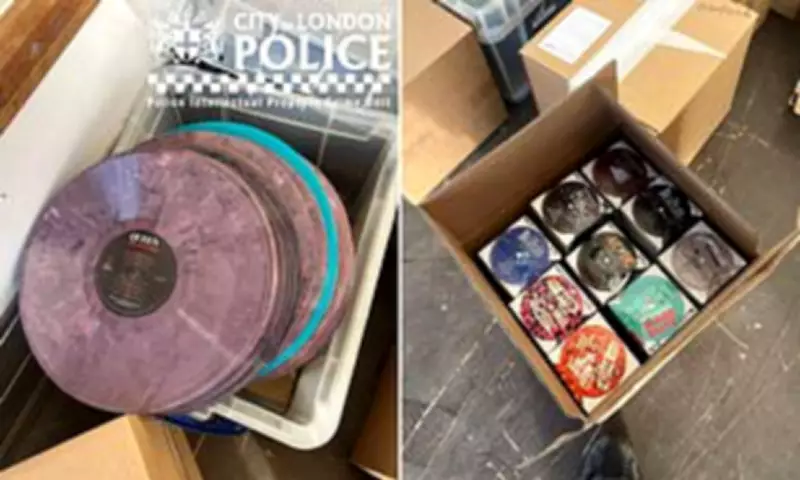
Music enthusiasts across the United Kingdom have been cautioned to remain vigilant against counterfeit vinyl records, as a significant increase in fake products has been identified in the marketplace. These fraudulent items often closely mimic authentic records, featuring identical album covers and label designs. Counterfeit versions of popular albums have been discovered on various sales platforms, sometimes commanding prices as high as £1,000.
Major Seizure in Luton
The Police Intellectual Property Crime Unit (PIPCU) has disclosed that it confiscated over 6,000 counterfeit records during an operation in Luton on 22 April. Detective Sergeant Jamie Kirk of PIPCU stated, 'Counterfeit vinyl harms legitimate businesses and causes real losses for artists and the wider music industry. In this case, the estimated retail loss is £259,920. This operation sends a clear message that the sale of counterfeit goods will not be tolerated and highlights the impact that strong partnership working can have in tackling intellectual property crime.'
Photographs released by PIPCU depict fake versions of records by Queen, The Beatles, Sex Pistols, AC/DC, David Bowie, Metallica, and Fleetwood Mac, all stacked in boxes. The BPI's Director of Content Protection, Peter Ratcliffe, commented, 'The vinyl revival means that there are sadly criminals trying to take advantage and cash in through counterfeiting. Like all illegal markets, this doesn't just damage our UK music industry, it potentially impacts every one of us as citizens, as these ill-gotten gains often fund other forms of criminal activity.'

Growing Popularity of Vinyl
Recent data indicates that vinyl records are rapidly becoming one of the most popular music formats in the UK. This increasing demand has led some collectors to pay premium prices for special editions, a trend that criminals are exploiting. Kim Bayley, CEO of the Entertainment Retailers Association, noted, 'Vinyl's 17-year return to prominence has sadly inspired counterfeiters and fraudsters to attempt to cash in on music fans' rediscovery of the format.'
How to Spot a Fake
While many counterfeit records now appear nearly identical to authentic ones, the Intellectual Property Office (IPO) has identified eight key indicators that a vinyl may be fake:
- New but not shrink-wrapped: Be wary if a new record lacks shrink-wrapping.
- Missing barcode or catalogue number: Their absence is a red flag.
- Blurry or poorly printed artwork: Check the quality of the cover and label.
- Listed as 'unofficial' on DISCOGS: Use the DISCOGS database to verify catalogue numbers.
- Artist's name or album title on 'run-out area': The space between the last track and centre label should not contain this information.
- Pitted vinyl, missing inner sleeve, or shrink-wrapped outer sleeve: These quality issues are common in fakes.
- Many copies sold at very low price: Suspicious pricing suggests counterfeit goods.
- Multiple copies of rare records: Be cautious if a seller offers several copies of long-out-of-print records.
The IPO advises paying close attention to packaging. If a record is new but not shrink-wrapped, it may be counterfeit. Examining the cover and label for barcodes and catalogue numbers is essential; missing details are concerning. Poorly printed or blurry artwork also indicates a fake. For unknown sellers, the DISCOGS database can help verify authenticity—if a listing says 'unofficial,' the record is likely counterfeit.
Additionally, the 'run-out area' should not feature the artist's name or album title. Quality control issues such as pitted vinyl, missing inner sleeves, or shrink-wrapped outer sleeves are telltale signs of fakes. When buying from private sellers, it is advisable to check their online feedback and whether they use their own photos. Sellers offering many copies at very low prices or multiple copies of rare, out-of-print records should be treated with suspicion.
If individuals suspect someone is selling counterfeit records, they can report their concerns to the BPI or contact their local Trading Standards Office.