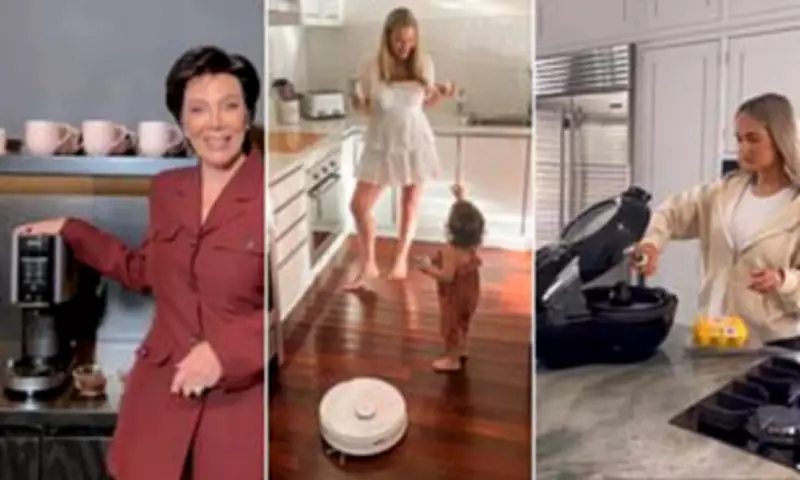
An interior designer has issued a stark warning about the middle-class gadgets that frequently end up as expensive clutter in homes, highlighting items from foot spas to £3,000 coffee machines that dominate worktops while quickly falling into disuse. Jordana Ashkenazi, founder and design director of Element One House, shared her insights with the Daily Mail, noting that many clients invest in these products believing they will enhance their lifestyle, only to find them troublesome and space-consuming.
The Growing Problem of Gadget Graveyards
Jordana Ashkenazi explained that she repeatedly observes clients purchasing gadgets with the hope of improving efficiency or adding luxury to their homes. However, these items often become unused, quietly contributing to what she describes as a "gadget graveyard." Families struggle to find space for everyday essentials, yet they continue to fill their homes with bulky, impractical items that disrupt functionality.
"The most successful homes are the ones that feel calm, considered and easy to live in, not filled with things that over complicate simple routines," Ashkenazi emphasised. She pointed out that clutter is one of the quickest ways to make a space feel smaller and less serene, undermining the very comfort these gadgets are meant to provide.

Common Culprits of Gadget Regret
From a foot spa that never becomes a self-care habit to a £250 ice cream maker admired by Kris Jenner, Ashkenazi identified several gadgets that middle-class buyers typically come to regret. These include robot vacuum cleaners, popular with celebrities like Stacey Solomon and Hannah Ferrier, as well as high-end coffee machines and oversized air fryers.
Occasional-Use Kitchen Gadgets
Ashkenazi highlighted waffle makers, panini presses, ice cream makers, and bread makers as items that tend to live in cupboards due to their bulk and infrequent use. "If it only comes out occasionally, it probably does not need a permanent place in the kitchen," she advised, noting that these gadgets often only emerge once every year or two.
Foot Spas and Self-Care Myths
The foot spa, a well-intentioned purchase that feels like self-care at the time, often ends up under the sink or in a cupboard. Ashkenazi pointed out the practical challenges: filling, emptying, cleaning, and finding time to use it. With numerous nail salons available, she questioned why people bother with the hassle when professional treatments are often more enjoyable and mess-free.
High-End Coffee Machines
While the idea of barista-quality coffee at home is appealing, Ashkenazi warned that large machines dominate worktops, require regular cleaning and maintenance, and feel like too much effort in the morning. "If something is too complicated to use when you are half asleep, it tends not to last," she said, adding that most people simply want a coffee, not an elaborate process.
Oversized Air Fryers and Stand Mixers
Oversized air fryers, such as those used by Molly-Mae Hague, can dominate kitchen worktops and become visual clutter if not used daily. Similarly, stand mixers are often bought as aspirational items for baking but end up as permanent fixtures due to their size and weight. In smaller kitchens, Ashkenazi noted, they can feel more like an eyesore than a necessity.
Bathroom TVs and Robot Vacuum Cleaners
Bathroom TVs, which sound luxurious in showrooms, rarely get used as intended. Ashkenazi argued that bathrooms should be places to switch off, not filled with screens. Robot vacuum cleaners, meanwhile, promise effortless cleaning but often require more involvement than expected, getting stuck or missing areas, and can feel unsettling as they roam unpredictably.
Smart Toilets and Clothes Steamers
Smart toilets, with automated lids, heated seats, and multiple settings, are described as over-engineered and unnecessarily complicated. "A toilet should not need instructions," Ashkenazi stated, emphasising that simplicity and reliability are key. Large standing clothes steamers, bought as stylish alternatives to ironing, often become inconvenient and unused if not quick and easy to operate.

The Wider Pattern of Gadget Disappointment
Ashkenazi identified a broader trend: many gadgets promise a better, more organised self but often do the opposite by adding complexity and failing to integrate into daily life. She recommended a simple rule before purchasing any gadget: ask if it will be used every week and where it will be stored. In cities with limited space, it is crucial to question why room is being made for rarely used items when storing everyday essentials is already a challenge.
Ultimately, Ashkenazi's advice centres on prioritising functionality and simplicity over aspirational purchases that lead to regret and clutter in the home.