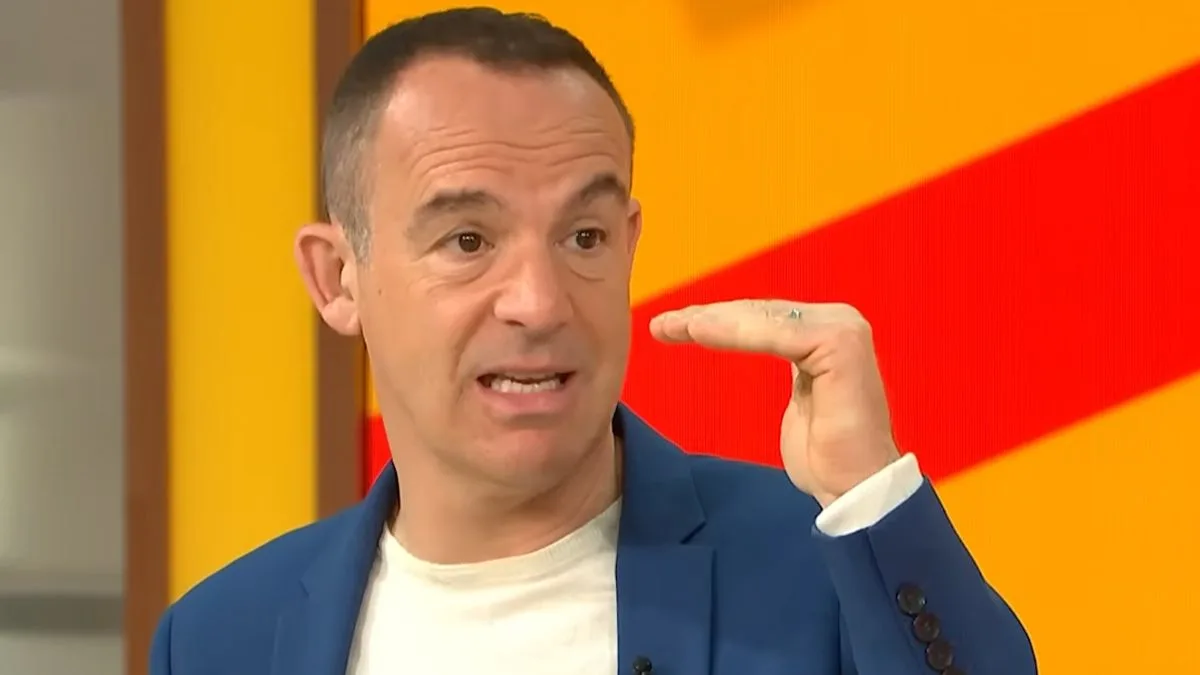
Martin Lewis has urged people to check whether they could increase their state pension entitlement by making voluntary National Insurance contributions. The finance expert highlighted the case of a listener who significantly boosted his pension after following his advice to purchase additional contributions.
The listener had only nine years of NI contributions but was able to buy 18 years' worth under an extended scheme that concluded in April 2025. Normally, only contributions dating back six years can be purchased, but a temporary extension allowed voluntary contributions as far back as the 2006/2007 tax year.
Mr Lewis calculated that the listener spent between £10,000 and £15,000 on the contributions but now receives an estimated £120 a week in state pension, equivalent to about £6,000 a year. Over a typical 20-year retirement, that amounts to £120,000, which is also inflation-proofed under the triple lock.
The full new state pension currently stands at £230.25 per week, rising to £241.30 next April due to the 4.8% triple lock increase. To qualify for any state pension, you need at least 10 years of NI contributions, while 35 years are required for the full amount.
Mr Lewis advised that while topping up can be 'very lucrative', it is not suitable for everyone. He recommended checking missing years from the last six years and using online guides to assess whether buying extra contributions is worthwhile.