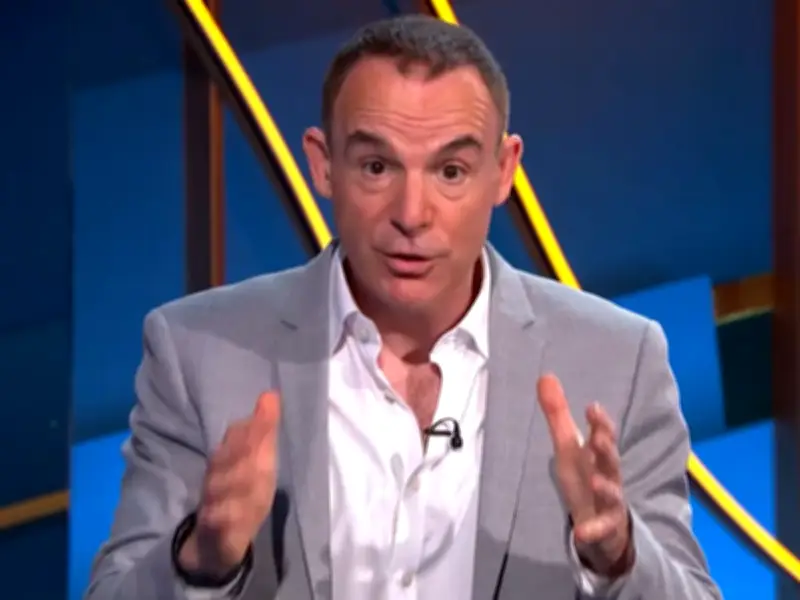
Martin Lewis has directed pensioners towards a tax-free allowance they might not be aware they're eligible for. While you may be familiar with a certain tax-free earning threshold, there's another "special allowance" that some people can claim.
The Starting Rate for Savings
The consumer champion discussed on his BBC podcast the often overlooked starting rate for savings, which can significantly increase your tax-free entitlements. Mr Lewis told listeners: "There is the personal savings allowance, which I suspect many listeners will know about, which says a basic rate taxpayer can earn £1,000 of interest a year on any form of savings without being taxed."
However, the tax-free benefits on offer don't end there. Mr Lewis said: "There is another allowance that people don't know about. It is called the starting savings allowance. What happens with the starting rate of savings is if you have high savings interest and low earnings, then it is a special allowance that means up to the first £5,000 of your savings interest can be tax free, plus you get the personal savings allowance on top."

Who Benefits Most?
Mr Lewis noted pensioners specifically may benefit considerably from this provision. This is because they may receive a relatively modest income from their pension savings, while having a substantial savings pot accumulated over the years, generating significant interest annually.
How Does the Starting Rate for Savings Work?
The starting rate works so that once you've exhausted the personal allowance, which permits you to earn up to £12,570 annually without paying income tax, you can earn an additional £5,000 of savings interest on top of this without any tax liability on these interest earnings. This allowance decreases by £1 for every £1 you earn above the personal allowance through other taxable income sources, such as employment or pensions.
Therefore, once your income from other sources totals £17,570, you lose your starter rate for savings entirely. This is distinct from the personal savings allowance, which differs depending on your tax bracket. Basic rate taxpayers can earn up to £1,000 of interest tax-free, while higher rate taxpayers receive a £500 allowance. Those on the additional rate receive no allowance and must pay tax on all their interest earnings outside of ISAs.
Practical Example
Mr Lewis provided the example of someone with an annual pension income of £12,500 while earning £4,400 of interest from savings outside an ISA wrapper, giving them a total taxable income of £16,900. If they only had the £1,000 personal savings allowance on top of the personal allowance, they would pay 20 per cent on £3,330 of their income, resulting in a £666 bill to HMRC. However, thanks to the full £5,000 allowance from the starting rate being added to their personal allowance, none of their £4,400 interest payments would incur a tax bill.
Earn Up to £6,000 Tax Free
In reality, they would receive a combined savings tax-free allowance of £6,000, meaning they could earn an additional £1,600 of interest earnings without paying tax. Mr Lewis crunched the numbers: "Someone who earnt £12,570 from earnt income and had £6,000 of interest from savings outside of ISAs could have all £18,570 tax-free."
"Obviously, you'll need to do some thinking about how this applies to you. Effectively it was set up for people who have a low earnt income and high savings interest. Primarily it's pensioners who tend to be in that situation, who have got savings built up over the years but are no longer working and are just living off pensions that are at a relatively low level, and it works there."