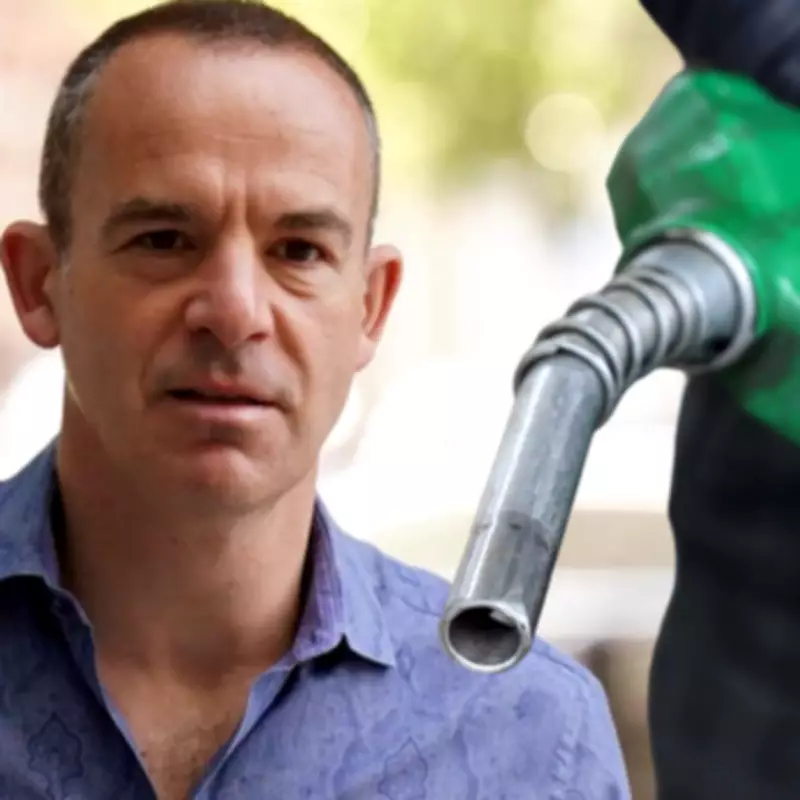
Martin Lewis Unveils Simple Strategies to Drastically Reduce Fuel Expenses
Personal finance guru Martin Lewis has detailed how motorists can cut their driving costs by as much as 30 per cent through straightforward adjustments to vehicle usage and maintenance. In a recent TikTok video, the MoneySavingExpert founder emphasised that everyday habits, often overlooked, can silently inflate fuel bills, but addressing them can lead to substantial savings.
The Hidden Costs of Inefficient Driving and Vehicle Neglect
Lewis highlighted that many drivers assume reducing fuel costs requires driving less, but he argues that minor changes in how you operate and maintain your car can yield far greater financial benefits. He broke down his advice into actionable fixes, starting with a common oversight: excess weight.
"Junk in your trunk," Lewis warned, noting that unnecessary items in your car drain your wallet. "Extra weight, for every about 45 kilograms, makes your car 1% less fuel efficient." He also pointed to roof racks as a stealthy fuel drain, advising removal when not in use to reduce aerodynamic drag on motorways.

Key Areas for Immediate Improvement
Tyre maintenance is another critical factor. Lewis explained that under-inflated tyres can increase fuel bills by 3% to 4%, urging drivers to keep them properly pumped. Regarding air conditioning, he noted a nuanced approach: at low speeds, it can be costly, but at higher speeds, opening windows creates drag, making aircon the more efficient choice.
Beyond vehicle upkeep, Lewis stressed that driving style has the most significant impact. "Your accelerator is a money pump," he said, "and your brake isn't much better—it's a money burner." Smooth driving, including maintaining safe distances, anticipating traffic, and avoiding sudden acceleration or braking, can dramatically boost fuel efficiency.
Industry and Advocacy Responses
A spokesperson for Assistance for Single Mothers commented: "What Martin Lewis is really highlighting here is the cost of inefficiency. Many households focus on cutting expenses but overlook how much money is lost through everyday habits like poor driving or lack of vehicle maintenance." They added that even modest improvements can accumulate into meaningful savings over time, especially with persistently high prices.
Fuel Price Trends and Supply Concerns
Recent data underscores the urgency of Lewis's advice. Stocks of petrol and diesel at UK filling stations have declined since the onset of the Iran conflict. In the four weeks leading up to February 28, petrol stock levels averaged between 44% and 47%, but from March 1, they dropped to between 36% and 43%, hitting a low of 36% on multiple days in early March.
The Department for Energy & Net Zero attributed this drop to increased demand rather than supply issues, with a spokesperson stating: "Petrol stations in the UK are being supplied as normal and we have a diverse and resilient supply." However, RAC figures show average prices are rising sharply.
Current Fuel Price Statistics
As of recent reports, the average cost of a litre of unleaded petrol stands at 158.0p, up 25.2p or 19% since the conflict began. Diesel averages 191.1p per litre, a 48.7p or 34% increase. Motorway service stations now charge over £2 per litre for diesel, at 200.6p. A full tank of petrol averages £86.92, up £13.86 since February 28, while diesel tanks cost £105.11, up £26.80.
By implementing Lewis's tips, drivers can mitigate these rising costs, potentially saving hundreds of pounds annually through improved efficiency and smarter driving practices.