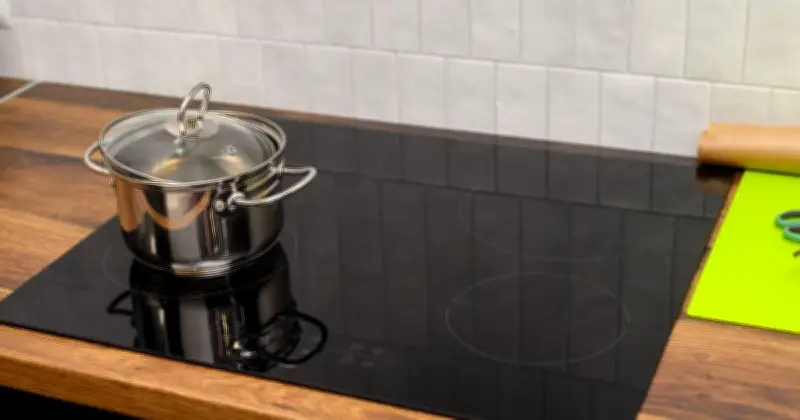
Households with an induction hob in their kitchen are being urged to spend 50p on a fridge magnet to carry out an important check that could save energy and money.
Why the Check Matters
Induction hobs work by generating a magnetic field under the glass surface, which creates an electrical current inside pots and pans, causing them to heat up. However, not all cookware is compatible; only pans with a magnetic base, such as cast iron, carbon steel, and certain types of stainless steel, work efficiently.
Using the wrong type of pan can lead to inefficient heating, affecting cooking results and potentially shortening the lifespan of the cookware. This can also waste energy and increase household costs.
The Simple 50p Test
A quick and cheap way to test compatibility is to use a fridge magnet. According to Miele kitchen appliance expert Ryan Adams, director of Ati Harrogate, if the magnet sticks firmly to the bottom of the pan, it is likely induction-compatible. If it slides off easily, the pan may not have strong enough magnetic properties for efficient heating.
Adams said: "To test if your cookware is suitable, use a refrigerator magnet. If it sticks firmly to the bottom of the pan, it’s likely induction-compatible. However, if the magnet slides off easily, the pan may not have strong enough magnetic properties for efficient heating."
Choosing the Right Pans
Pans made from cast iron, steel, or some types of stainless steel are usually compatible, while materials like aluminium, glass, or ceramic will not work. Adams advises shoppers to bring a magnet when buying new cookware to double-check compatibility.
He added: "Using the wrong pans on an induction cooktop can leave you frustrated, as incompatible cookware won’t heat up. Cast iron and stainless steel pans are great options, but using very high heat can damage their surfaces, wearing down non-stick coatings or causing discolouration on stainless steel."
Potential Savings
UK households are already being urged to switch from gas hobs to electric ones ahead of a potential sales ban to help meet net-zero targets, as induction hobs are more efficient. However, if pans are not compatible, it can impact cooking efficiency, wasting energy, money, and time.
A fridge magnet can be purchased for as little as 50p on Etsy, making this a low-cost check that could lead to long-term savings. Adams also noted that using pans too small for the cooking zone may cause the cooktop not to detect them, wasting energy and time. Cheaper cookware can warp under high heat, leading to uneven cooking and needing replacement sooner, increasing long-term costs.