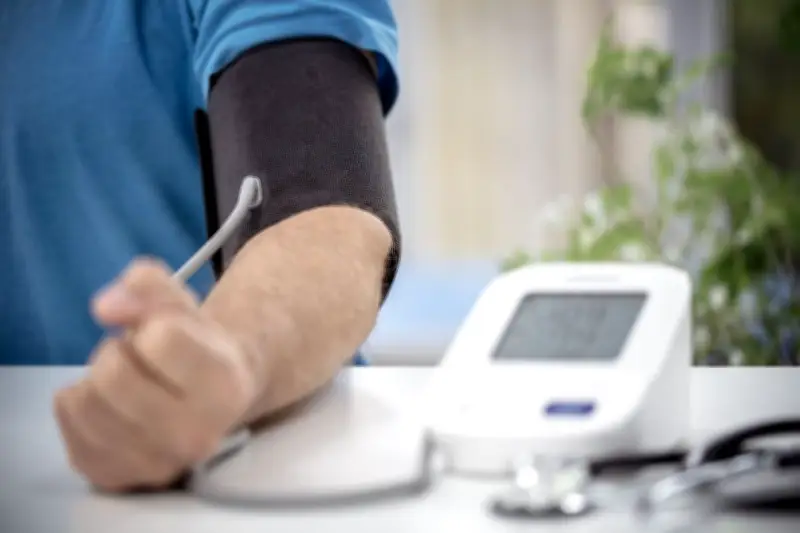
Brits with high blood pressure may be able to claim Personal Independence Payment (PIP), according to the latest official figures from the Department for Work and Pensions (DWP). The benefit can provide a significant cash boost, but eligibility depends on an assessment by the department.
Understanding PIP Eligibility for Hypertension
High blood pressure, also known as hypertension, is very common, particularly in older adults, and "can lead to serious problems like heart attacks or strokes", the NHS website explains. "There are usually no symptoms, so you may not realise you have it," it adds.
However, it can cause symptoms including headaches, blurred vision, chest pain, and have considerable impacts on your ability to look after yourself, in which case you may be eligible for PIP. PIP is a benefit that can help with extra living costs if you have both a long-term physical or mental health condition or disability, and difficulty doing certain everyday tasks or getting around because of your condition, the GOV.UK website explains.
PIP Payment Rates and Components
There are two parts you can apply for: daily living and mobility. The former is based on whether you're able to do a range of household tasks like washing and cooking, and the latter is based on your mobility and travel requirements. It's available to people 16 and over and under State Pension age.
For the daily living part, the lower rate is £76.70 per week, while the enhanced rate is £114.60 per week. For the mobility part, the lower rate is £30.30 per week, and the enhanced rate is £80. That would mean you'd get £194.60 per week in total if you meet the eligibility for the higher rate in both England and Wales.
Annual Totals and Regional Variations
That comes to £10,119.20 per year if you got the enhanced rate for both at 2026/27 rates. However, overall rates are reviewed and often uprated annually, so it may well be more over 12 months if you were granted both enhanced rates now.
Northern Ireland has PIP, and though it's a devolved matter, the rules largely run in parallel with those in the rest of the UK. PIP has been replaced with the Adult Disability Payment (ADP) in Scotland, though it also has most of the same eligibility criteria.
Claim Approval and Assessment Process
You can be approved for PIP due to the impact of a wide range of health conditions, including hypertension. The last quarterly totals to July 2026 showed 1,684 cases where hypertension was listed as the primary disabling condition for people with PIP entitlement that unlocked both the daily living component and the mobility component at the enhanced rate.
However, it's important to note that a diagnosis does not automatically unlock the support, and a successful claim will depend on it being established that the effect on your daily life and mobility makes you eligible for it. This assessment is made by the DWP, informed by independent medical advice. You therefore should not be put off from making a claim if you haven't heard of someone getting support from the department before.