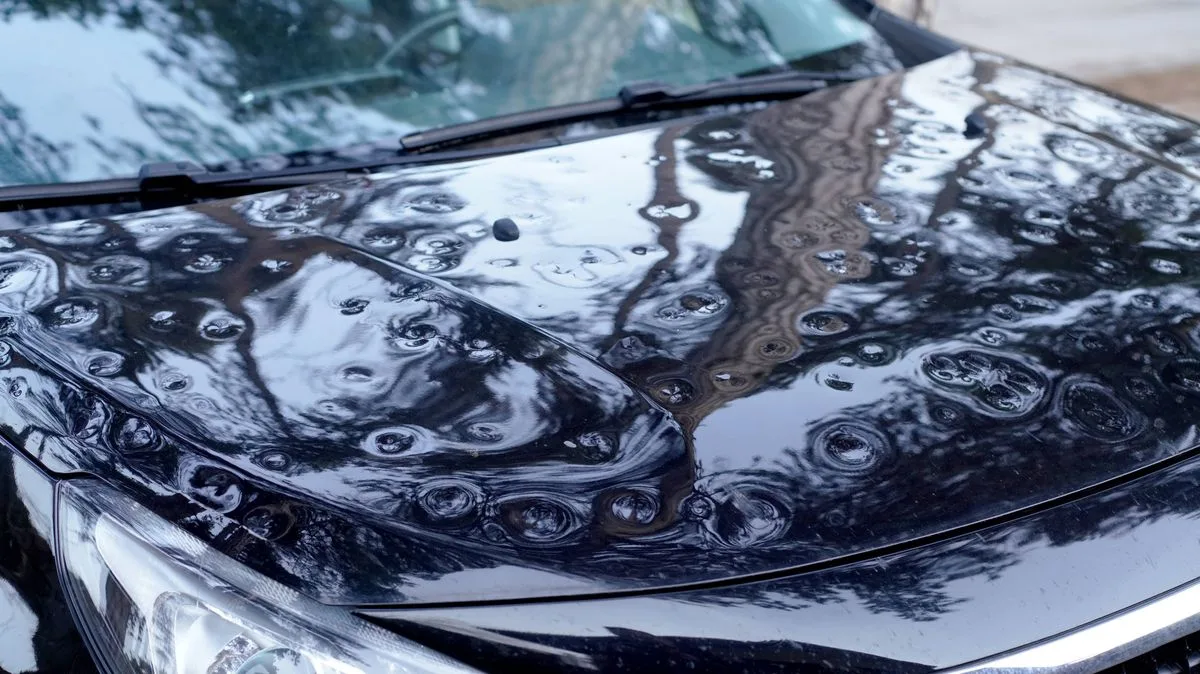
Motorists are being urged to stay vigilant this summer as a tiny insect capable of causing hundreds of pounds of damage is expected to descend on the UK in large numbers. Experts warn that greenfly, also known as aphids, can leave drivers facing repair costs of up to £900, particularly if vehicles are parked under trees for extended periods.
Greenfly are most commonly seen in the UK between May and July, feeding by extracting sap from plants and trees. According to Select Car Leasing, the insects secrete a substance called 'honeydew', which can attach to bonnets, roofs and soft tops before turning into a corrosive mould-like residue. This residue can develop into soot-like black mould spores that eat through paintwork due to their high acidity.
Graham Conway, Managing Director at Select Car Leasing, cautioned drivers not to underestimate the threat. 'They may be small and look harmless but you should not underestimate how much damage greenfly can cause,' he said. He emphasised that the substance becomes more damaging over time and harder to remove if left untreated.
The problem can become particularly serious during warmer weather when aphid populations surge. A mature tree can harbour around 2.5 million aphids at one time, and a single female greenfly can produce up to 50 offspring, potentially leading to six million within a month. Conway advised drivers to clean affected vehicles as soon as possible, as a respray could cost around £900.
Drivers are urged to adopt more rigorous cleaning habits throughout the summer, keeping cleaning wipes in their vehicles to remove residue before permanent damage occurs. Conway recommended using specialist detergents for a thorough clean after removing any residue.