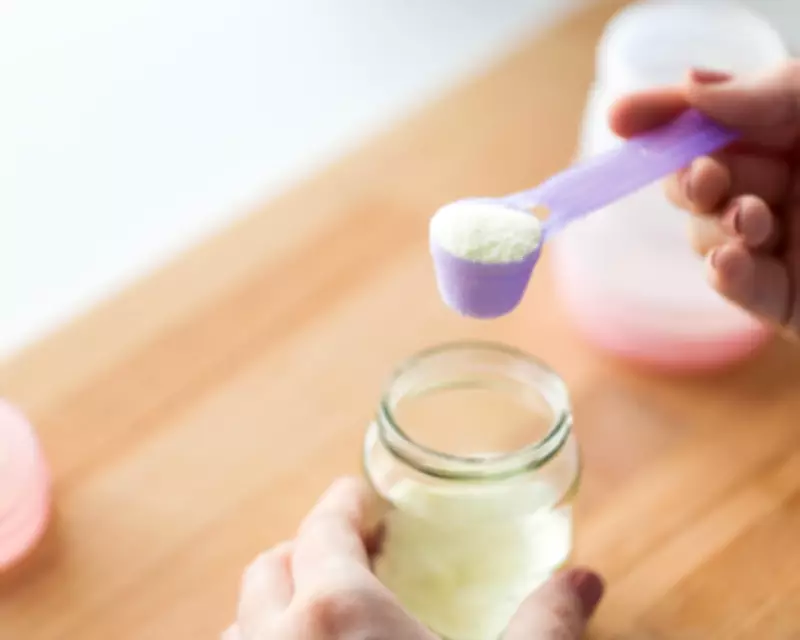
The Food Standards Agency (FSA) has officially confirmed the presence of a dangerous toxin in certain Nestlé SMA baby formula products, prompting urgent recalls and raising significant concerns among parents and caregivers across the UK.
Identification of Contaminant and Health Risks
Investigations by the FSA have identified the problematic ingredient as arachidonic acid oil, a substance commonly added to infant formula to support crucial developmental needs in babies who are not breastfed. However, in this instance, the oil has been found to be contaminated with cereulide, a toxin known to cause food poisoning symptoms such as nausea and vomiting when ingested.
Scope of the Recalls and Affected Products
Nestlé initiated a voluntary recall on 5 January for several batches of its SMA infant formula range, following initial concerns about potential contamination. The affected SMA products include:

- Advanced First Infant Milk
- Advanced Follow-On Milk
- Anti Reflux
- Alfamino
- First Infant Milk
- Little Steps First Infant Milk
- Comfort
- Lactose Free
In a related development, rival food group Danone has also recalled a batch of its Aptamil baby formula due to the same contamination issue, specifically an 800g pack of First Infant Formula with the code EXP 31-10-2026. The FSA has traced the source of the contaminated oil to a shared ingredient supplier used by both Nestlé and Danone, highlighting a broader supply chain concern.
Official Statements and Safety Guidance
Jodie Wild, head of the incidents unit at the FSA, emphasised the agency's proactive measures, stating, "We are urgently tracing all products that may have used ingredients from this supplier to make sure any affected products are removed from sale." She further clarified that both recalls are directly linked to the presence of cereulide and assured the public that any additional recalls would be announced immediately if necessary.
The FSA has issued clear safety instructions for consumers:
- Immediately stop using any recalled baby formula and switch to an alternative product.
- Contact a GP or NHS 111 if a baby has already consumed the affected formula.
- Check batch numbers on the Nestlé website or food.gov.uk, looking for codes on the base of tins or boxes for powdered formulas, or on the outer packaging for ready-to-feed versions.
Company Responses and Reassurances
Nestlé has defended its actions, asserting that it moved "quickly and decisively" to issue the recall and has maintained that there has been no expansion in the scope or nature of the recall since its initiation. The company expressed gratitude for public patience and apologised for the inconvenience caused.
Similarly, Danone has stated on its website that it is withdrawing a very limited number of specific batches in compliance with the latest guidance and has encouraged parents to contact its careline for any questions or concerns.
This incident underscores ongoing challenges in food safety regulation and the critical importance of vigilant monitoring in the infant nutrition sector, with authorities continuing to investigate the full extent of the contamination.