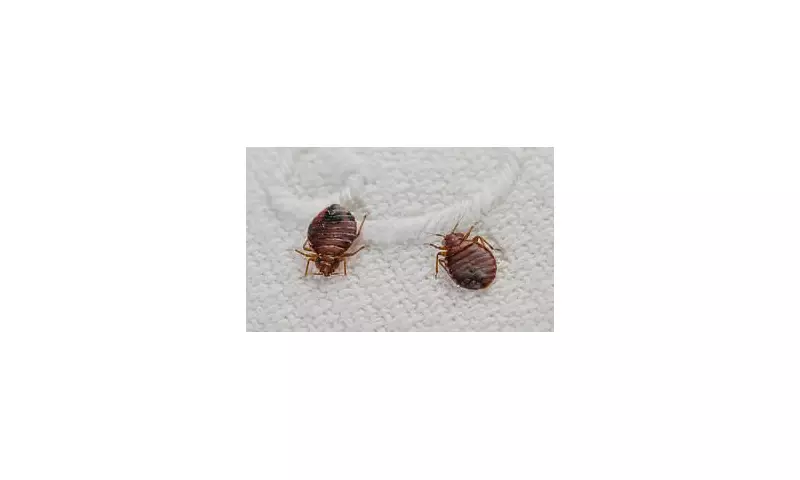
Britons might associate bedbugs with summer travel, but experts are raising the alarm that a significant resurgence of these pests could occur this winter, driven by a simple domestic act: turning the heating on.
Why Central Heating Wakes Up Bedbugs
Pest control specialists explain that as households crank up thermostats, switch on electric blankets, and use hot water bottles, the resulting warmth can rouse dormant bedbugs. Indu Kowarthanan, managing director at Pests R Us Ltd, highlighted the mechanism to Which?, stating: "Bedbugs are attracted to body heat, carbon dioxide and human scent. So if you're using the bed, especially with electric blankets or hot water bottles, the warmth can signal that a host is present and prompt them to come out of hiding and feed."
The warning follows an earlier alert from Rentokil Pest Control this month, which noted Britain has been hit with a notable infestation. Key signs of an active problem include new, red, and itchy bites on the skin, alongside small brown spots on bedding or furniture.

How to Combat Bedbugs and Other Winter Invaders
To prevent an infestation, experts recommend a multi-pronged approach:
- Wash clothing and bedding regularly on a high heat – greater than 45°C for at least 30 minutes.
- Inspect crevices in furniture and beds meticulously.
- Vacuum your home frequently and consider using a mattress protector.
However, bedbugs are not the only unwelcome guests to be vigilant about during the colder months. Several other pests become more active or seek shelter indoors.
Woodlice, Rodents, and Squirrels
Woodlice often emerge in bathrooms and kitchens in autumn and winter, favouring cool, damp conditions. While not directly destructive, their presence signals excess moisture that could lead to damp. Prevention involves keeping the home warm and dry, using dehumidifiers, and removing plant debris near the house.
Mice and rats are more likely to venture inside seeking warmth and food, potentially causing damage by chewing through pipes, walls, and wires. Blocking entry points with wire wool set in quick-setting cement is advised, alongside sealing food in glass containers and securing bins.
Grey squirrels, which do not hibernate, may try to access attics or garages. They can be noisy and cause significant damage by chewing cables, timber, and insulation. Deter them by blocking access holes and trimming overhanging tree branches.
Lesser-Known Threats: Woodworm
While woodworm activity typically slows in winter, the larvae of wood-boring beetles can remain active in the warmer, damp wood found inside buildings. Treating wooden structures and reducing indoor humidity are the best preventative measures.
By understanding these risks and taking proactive steps, homeowners can better protect their properties from a host of seasonal pests aiming to settle in for the winter.