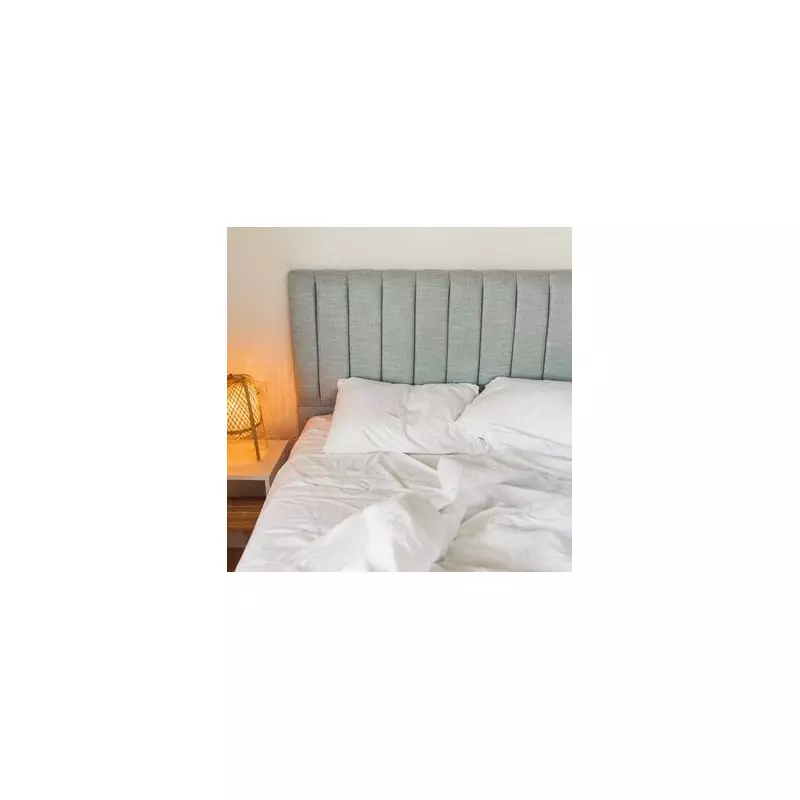
As winter tightens its grip, the desire for a warm, cosy bed is universal. Yet the very item that provides that comfort – the thick winter duvet – becomes a laundry nightmare, often proving too bulky for a standard washing machine. Forcing it in can cause damage, leaks, and create a mould risk if it doesn't dry properly.
The Scandinavian Secret to a Fresher Duvet
Fortunately, there is a remarkably simple alternative to the washing machine struggle. Sarah Jubb, a bedding specialist from Happy Beds, has shared a traditional Scandinavian technique that involves airing your duvet outdoors during the colder months. This method, she explains, effectively tackles moisture, bacteria, and unpleasant smells without any need for detergent or a spin cycle.
"The cold, dry air effectively removes moisture, preventing the accumulation of bacteria build-up and any yellow stains, musty smells, or even the growth of mould and mildew," Sarah told the Express. "Moreover, sunlight also has natural antibacterial properties and can help remove stains."

Why Winter Airing Works Wonders
While hanging laundry outside in winter might seem counterintuitive, the science is sound. Our use of central heating can lead to increased perspiration at night, trapping dampness in the duvet filling. This moisture attracts dust mites and can lead to odours and mould. Hanging the duvet outside allows this moisture to evaporate.
Furthermore, the cold air itself inhibits bacterial growth, while any available winter sunlight provides a natural disinfecting boost. An added benefit is that airing can help fluff up flat or clumped filling, restoring the duvet's loft and improving its insulating properties to keep you warmer.
How to Air Your Duvet Correctly This Winter
For the best results, follow this straightforward guide from the expert:
First, remove the duvet cover and give the duvet itself a vigorous shake to loosen any dust trapped in the fibres. Then, take it outside to hang.
Choose a clear, dry day without frost, fog, or rain, as any humidity in the air could be absorbed by the duvet, defeating the object. The ideal time is late morning, bringing it in before early evening, as noon tends to be the warmest part of a winter's day.
Leave the duvet outside for approximately five hours. It is crucial not to leave it out overnight or for too long, as it could freeze, making it difficult to thaw and use.
Once the time is up, bring the duvet indoors, ensure it is completely dry, and then place it back on your bed. The result should be a duvet that smells wonderfully fresh, feels revitalised, and is ready to provide cosy comfort for the rest of the season.