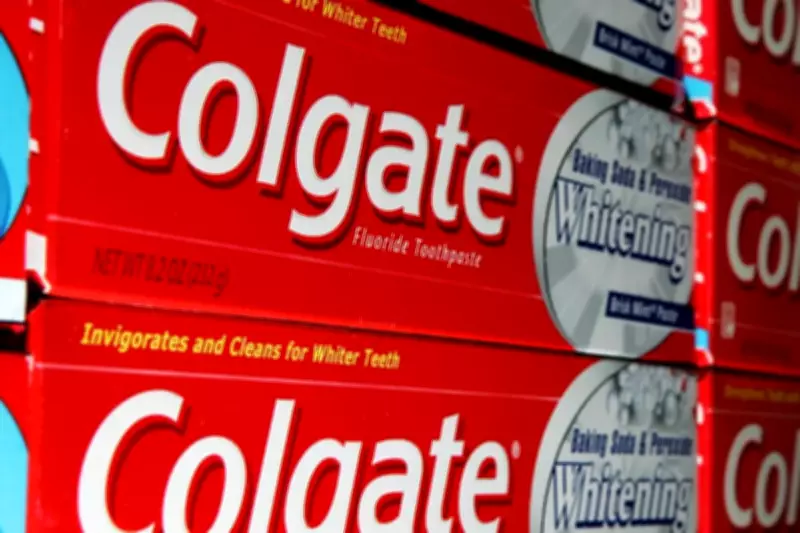
Colgate Must Face Legal Action Over Mouthwash Safety for Children, Judge Rules
A US federal judge has permitted two class-action lawsuits to move forward against Colgate-Palmolive, accusing the company of misleading parents about the safety of its fluoride mouthwashes for young children. This decision highlights growing concerns over dental product marketing and child health risks.
Judge's Ruling on Packaging and Claims
US District Judge Andrea Wood ruled that Colgate's packaging, which includes terms like 'kids' and 'children's' along with child-friendly flavours, could reasonably imply the products are suitable for youngsters. This is despite established healthcare warnings advising against the use of fluoride rinses for children under the age of six. The judge's ruling allows the lawsuits to proceed, focusing on whether these marketing tactics constitute deceptive practices.
Broader Legal Context and Industry Impact
This legal action is part of a wider trend targeting dental product manufacturers. Similar lawsuits have been filed against other major companies, including Procter & Gamble, Perrigo, and Sanofi, all concerning the packaging and promotion of fluoride products for children. These cases reflect increasing scrutiny from consumers and regulators over how health products are marketed to vulnerable groups, such as young families.

Debate Over Fluoride Safety and Public Health
The lawsuits emerge amid a heated debate about fluoride's safety. On one side, Health Secretary Robert F Kennedy Jr. has campaigned against fluoride, citing potential neurodevelopmental risks and linking high levels to lower IQ in children, as supported by an HHS report. Conversely, numerous studies indicate that removing fluoride from water supplies could lead to a significant rise in tooth decay, particularly among children. The American Dental Association maintains that fluoride is safe and effective when used at prescribed levels, emphasising its role in preventing dental cavities.
Implications for Consumers and the Market
This ruling could have far-reaching implications for both consumers and the dental care industry. Parents may become more cautious about purchasing fluoride-based products for young children, potentially shifting market demand towards alternative options. Additionally, it may prompt stricter regulations on product labelling and advertising to ensure clearer safety information is provided, protecting public health while maintaining trust in dental hygiene products.