Coin Expert Warns Brits Over £45,000 50p Scam Listings
Coin Expert Warns Over £45,000 50p Scam Listings

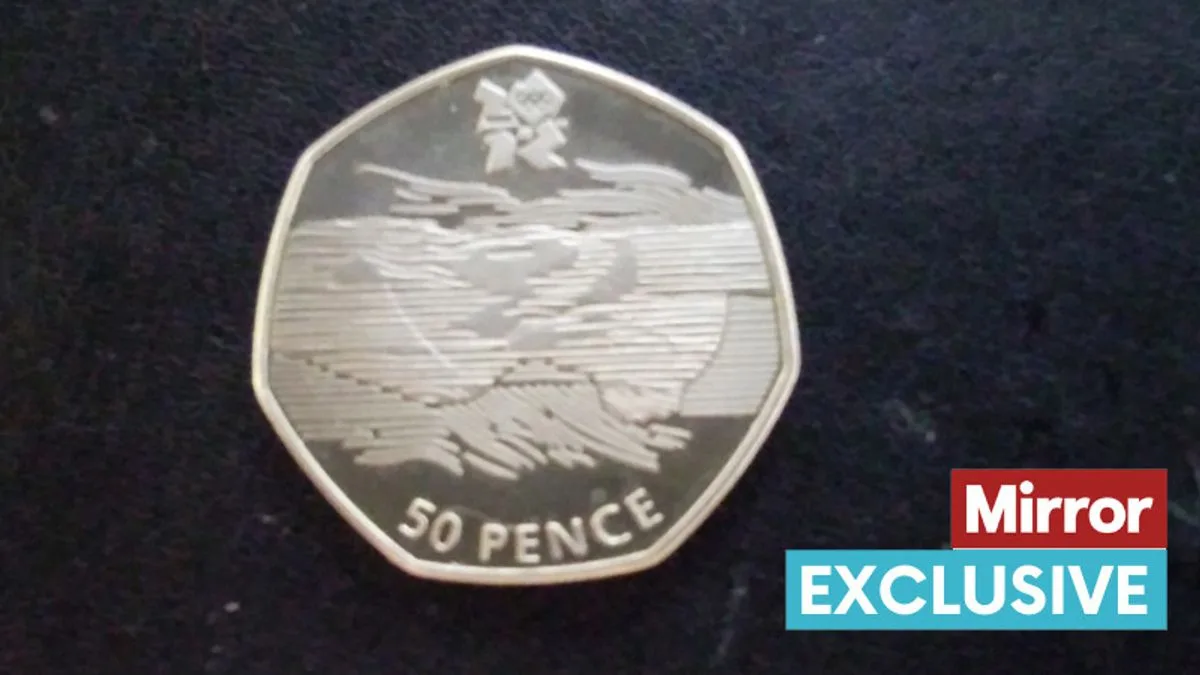
A prominent coin collector has issued a stark warning to all Britons regarding a widespread online scam involving a common 50p piece bearing the portrait of the late Queen Elizabeth II. The expert revealed that this ordinary coin has been fraudulently listed for sale with an astonishing price tag of £45,000, prompting a crucial public alert.

The Viral £45,000 50p Coin Claim

In a detailed social media post to his 37,100 Instagram followers, the numismatics specialist addressed the rampant misinformation. "£45,000 FOR A 50p?! Queen with a necklace worth BIG money?! Let's clear this one up properly," he stated emphatically. He explained that numerous posts and listings falsely claim a specific 50p coin depicting Her Majesty wearing a necklace is an ultra-rare error variant worth a small fortune.

"It's not true," the expert clarified. "There is no rare 'necklace' error. There is no valuable variety linked to this. The Queen appears with jewellery on many standard UK coins. It's part of the normal portrait design and nothing unusual or rare."

The Actual Value and the Warning

When disclosing the genuine worth of the coin, the collector was unequivocal: "50p. That's it. No special minting, no error, no secret version hiding in your change. Just another viral rumour that keeps doing the rounds – usually alongside fake listings and misleading photos." His advice to the public was straightforward: "If you've got one, spend it... or keep it as a talking point."

The specialist underscored the importance of extreme caution when encountering any coin advertised as expensive, rare, or seemingly undervalued online. Such items are frequently counterfeits or replicas designed to deceive unsuspecting buyers.

Essential Steps for Spotting and Avoiding Coin Scams

To protect consumers from numismatic fraud, the expert outlined several critical precautions:

  1. Verify Authenticity: Always have a coin inspected by a professional dealership or a certified coin expert to confirm it is genuine and not a forgery.
  2. Research the Coin and Seller: Conduct thorough investigations. On platforms like eBay, examine the 'sold' listings rather than the active 'for sale' ads to understand the real market value and avoid inflated prices.
  3. Seek Professional Advice: Contact a reputable local coin shop or a member of a recognised organisation such as the British Numismatic Trade Association (BNTA) for authoritative guidance.
  4. Take Precautions When Buying: Never clean a rare coin, as this can destroy up to 90% of its numismatic value. Utilise secure payment methods like PayPal over wire transfers or cash, and meticulously review the seller's return policy before completing any transaction.

This alert serves as a timely reminder for all coin enthusiasts and the general public to remain vigilant against deceptive online practices, ensuring they do not fall victim to sophisticated financial scams in the collectibles market.