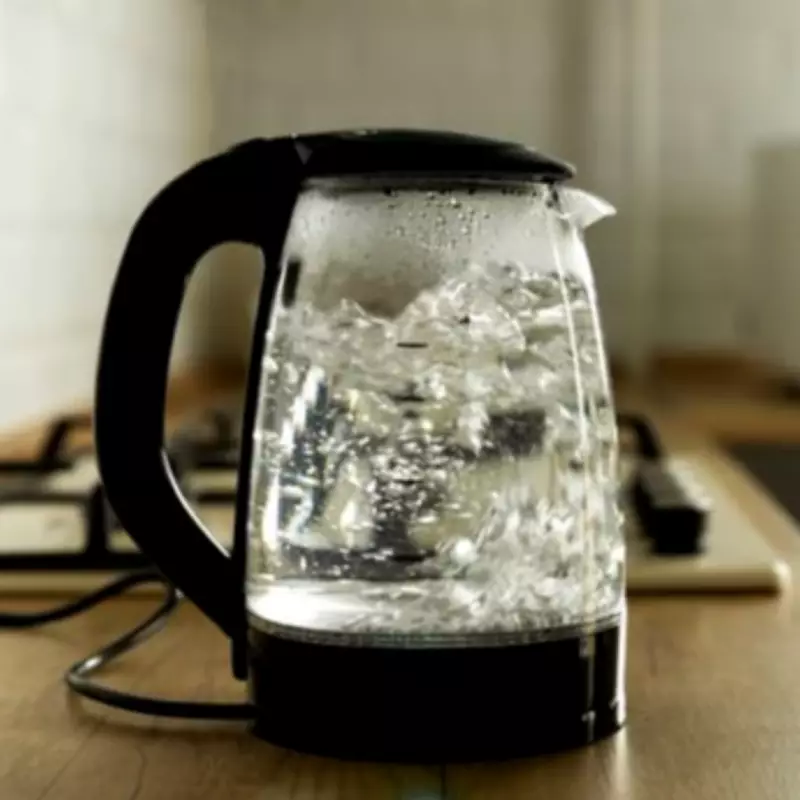
Kettles are among the most frequently used appliances in British households, yet many overlook the necessity of regular cleaning. A common misconception is that boiling water keeps kettles hygienic, but in reality, limescale builds up steadily with each use, affecting both performance and beverage quality.
The Hidden Problem of Limescale
Limescale forms when hard water is heated, leaving behind mineral deposits that appear as a thick, off-white residue at the kettle's base. While not a health hazard, this buildup can make tea look cloudy and impart a bitter, sharp taste to drinks.
Why Limescale Matters Beyond Taste
Beyond affecting flavour, limescale poses practical issues. It can damage the heating element, leading to slower boiling times and increased energy consumption, which in turn raises household bills. Removing it is often challenging due to its stubborn adhesion, making scrubbing impractical inside a kettle.

A Simple and Effective Cleaning Solution
Harinie Immanuel, a mother and founder of Simply Yummy Food, has shared a straightforward method using everyday kitchen items. She recommends combining lemon wedges and white vinegar to tackle limescale effectively.
Harinie explained: "A cool and easy way to clean out the kettle is to use lemon wedges (1/2 to 1 lemon) and a tbsp of vinegar. Fill the kettle with 3/4th of water and let it boil."
How Acidic Substances Work
Lemons and vinegar are powerful against limescale because they are acidic. They react with the mineral deposits, breaking them down naturally without the need for harsh chemicals or vigorous scrubbing. This makes the process safe and eco-friendly.
Step-by-Step Guide to a Sparkling Kettle
Follow these simple steps to clean your kettle in just 10 minutes:
- Gather Your Supplies: You will need one fresh lemon and one tablespoon of white vinegar. Opt for a fresh lemon over bottled juice, as its natural citric acid is more potent.
- Prepare the Solution: Slice the lemon into wedges, including the rind, and place them in the kettle. Fill it three-quarters full with water and add the vinegar.
- Boil and Rest: Bring the kettle to a boil, then turn it off and let the solution sit for about 10 minutes. This allows time for the acids to dissolve the limescale and loosen stains.
- Empty and Inspect: After 10 minutes, pour out the water and lemon wedges. Your kettle should already look cleaner.
- Repeat if Necessary: For persistent limescale, repeat the process once more to ensure all residue is removed.
- Final Rinse: Rinse the kettle thoroughly under warm running water to eliminate any lingering vinegar or lemon taste, leaving it gleaming and ready for use.
Benefits of This Natural Method
This approach not only saves time and effort but also avoids exposing your appliance to abrasive chemicals. By maintaining a clean kettle, you ensure faster boiling, reduced energy costs, and better-tasting beverages.
Regular cleaning with this method can extend your kettle's lifespan and keep your morning brew tasting fresh. Incorporate it into your routine every few weeks to prevent limescale accumulation and enjoy a consistently efficient appliance.