Citric Acid: The Natural Limescale Solution That Outperforms Vinegar
For countless tea enthusiasts across the UK, the persistent battle against limescale in kettles is a familiar weekly chore. Living in areas with hard water means that chalky white deposits become an unavoidable nuisance, coating taps, shower heads, and especially the interior of kettles. While many reach for white vinegar or lemon juice as natural cleaning agents, there exists a remarkably effective alternative that delivers superior results without the lingering odours.
Why Citric Acid Granules Are the Superior Choice
Citric acid, available in granule or powder form, has emerged as the go-to solution for those seeking a powerful yet natural method to descale their kettles. Unlike vinegar, which can leave behind a distinct smell, citric acid operates odourlessly, ensuring your next brew remains untainted. Furthermore, while lemons contain citric acid, their concentration is insufficient to tackle heavy limescale buildup effectively. The concentrated granules provide the necessary potency to dissolve even the most stubborn deposits swiftly.
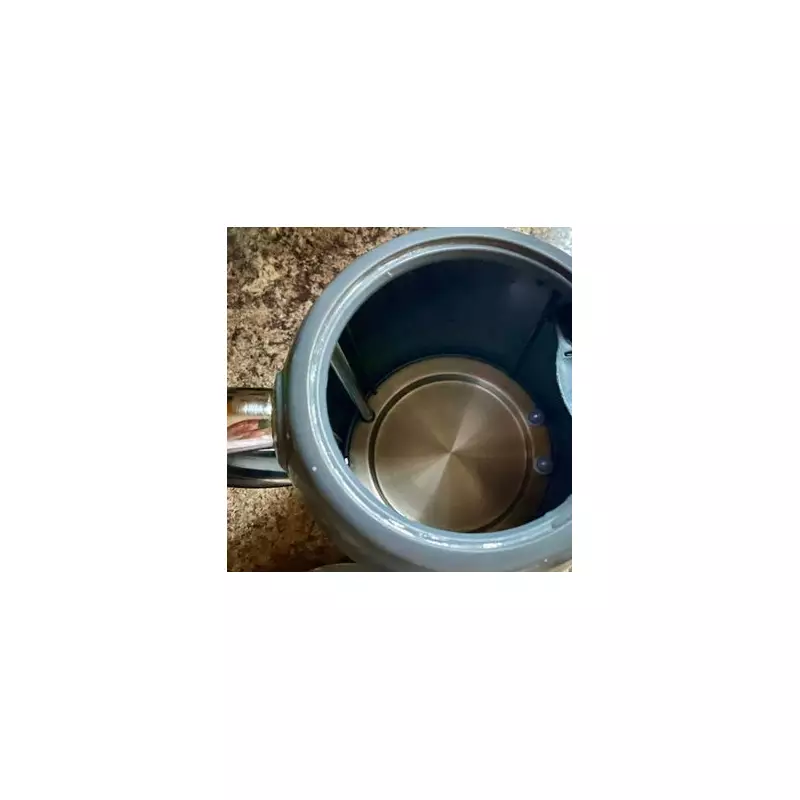
The proof of its efficacy is undeniable; this natural cleaning agent has been known to dissolve three years' worth of accumulated limescale in a single boil, as demonstrated in one user's experience with their grandfather's kettle. The process is straightforward, requiring minimal effort and no strenuous scrubbing, making it an ideal hack for busy households.

A Simple, Step-by-Step Guide to Using Citric Acid
- Measure the Granules: Begin by adding two tablespoons of citric acid granules directly into the empty kettle.
- Add Water Carefully: Fill the kettle only a quarter of the way with water. Using excessive water dilutes the solution, reducing its effectiveness and necessitating more product.
- Boil the Mixture: Place the kettle on to boil; this typically takes just over two minutes. During this time, the citric acid works to break down the limescale.
- Rinse and Repeat if Necessary: Once boiled, the limescale should have vanished. If any residue remains, it may indicate insufficient granules or improper storage of the citric acid, which should be kept in a sealed container in cool, dry conditions.
- Clean the Filter: For kettles with a filter at the spout, remove it and soak it in the remaining citric acid solution for about ten minutes to eliminate any scale.
This method not only saves time but also proves to be budget-friendly, as citric acid is an inexpensive household staple. Its natural composition ensures it is safe for regular use, providing peace of mind for families concerned about chemical cleaners.
Embracing a Natural Cleaning Routine
Adopting citric acid as part of your weekly cleaning regimen can transform the tedious task of descaling into a quick and efficient process. Its ability to deliver instant results without the need for multiple boils or harsh scrubbing makes it a standout choice for maintaining spotless kettles. As more consumers seek eco-friendly and health-conscious alternatives, citric acid stands out as a versatile solution that aligns with sustainable living practices.
Ultimately, for those tired of battling limescale with less effective methods, citric acid offers a reliable, natural, and odour-free answer to keeping kettles in pristine condition, ensuring every cup of tea is brewed to perfection.