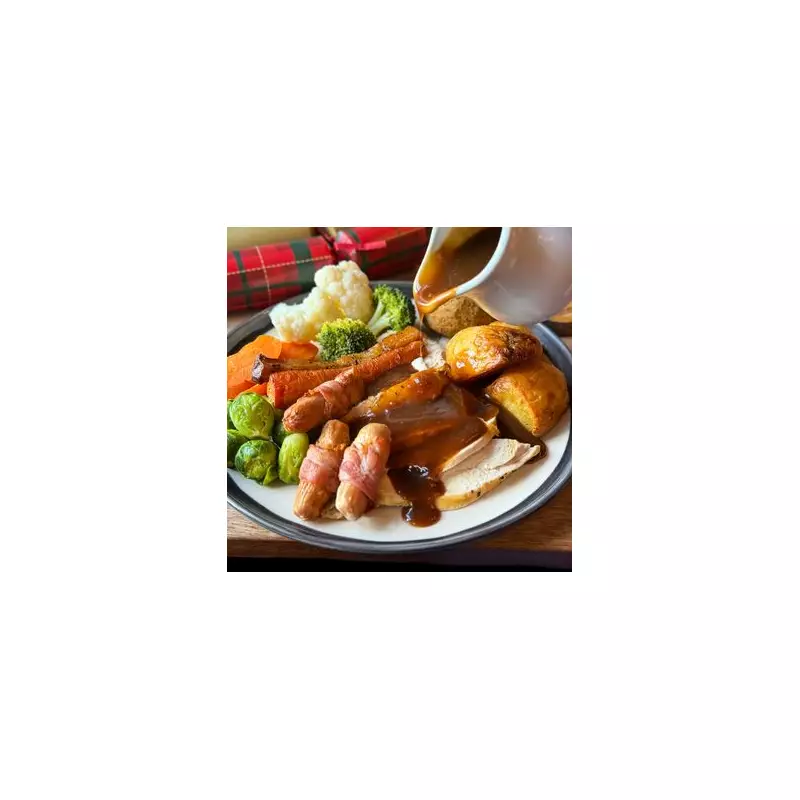
Plumbing specialists have issued a nationwide alert to households across the UK this Christmas Day, highlighting a surprising festive hazard: the traditional Christmas dinner. Experts warn that pouring certain celebratory foods and drinks down the kitchen sink is a recipe for expensive drain disasters and unpleasant blockages.
The Gravy Glue That Clogs Your Pipes
At the heart of the warning is the Christmas staple, gravy. While essential for the roast, specialists from Victorian Plumbing state it is one of the worst substances for your drainage system. Gravy is packed with fats, oils, meat juices, and thickeners that rapidly cool and solidify upon hitting cold pipes.
What goes down as a liquid transforms into a sticky, solid mass inside your plumbing. This layer acts like a trap, catching other food debris and forming the beginnings of a 'fatberg'—a hard blockage of congealed waste. Shop-bought gravy granules, containing starches and emulsifiers, become particularly gluey in water, earning the nickname 'pipe glue' from professionals.

Many believe flushing with hot water or dish soap is a solution, but this is ineffective in winter. The water cools quickly in cold pipes, simply moving the solidifying fat further down the system, making the eventual blockage harder and more costly to fix.
Five Festive Culprits to Avoid
Alex Woods from Victorian Plumbing has identified the top five Christmas items most likely to cause a hefty plumbing bill.
1. Turkey Fat and Grease: Rendered fat from the Christmas turkey poses a severe threat. It solidifies in pipes, creating stubborn blockages. Even diluted with hot water, it will congeal as it cools in the plumbing system.
2. Potato Peels: Starchy peels clump together in water, forming a glue-like paste that sticks to pipe walls and narrows the passage for waste, leading to difficult blockages over time.
3. Coffee Grounds: A common feature during family gatherings, coffee grounds do not dissolve. They settle and compact in pipes, and when mixed with grease, create a dense, stubborn sludge that severely impedes water flow.
4. Fruit Pits and Nut Shells: Stones from cherries and shells from festive nuts do not break down. They can easily get lodged in pipe bends or joints, creating a barrier that collects other debris.
5. Dairy Products: Leftover custard, cheese, cream, and creamy sauces can curdle and solidify in pipes, causing slow drainage. As they spoil, bacteria break them down, releasing unpleasant sour smells that can linger and worsen.
How to Spot Trouble and Dispose Safely
Early signs of a blockage include a sink draining slower than usual, gurgling noises, bubbling at the plughole, or a sour smell from the drain. Ignoring these can lead to standing water, outdoor drain overflows, or leaks from built-up pressure.
To avoid this, experts advise treating gravy and fats like cooking oil: never pour them down the sink. Instead, let leftovers cool completely until solid, then scrape them into the bin. For general food waste like vegetable peels and coffee grounds, composting or bin disposal is the recommended method.
"Christmas is the worst time to have your kitchen out of use," advises Alex Woods, urging households to take simple preventative steps to ensure a hassle-free festive season.