An Australian MP has launched a fierce critique of the nation's growing appetite for oversized utility vehicles, demanding the closure of a tax break she claims is making roads more dangerous and polluted.
The 'Dangerous' Loophole for Mega-Utes
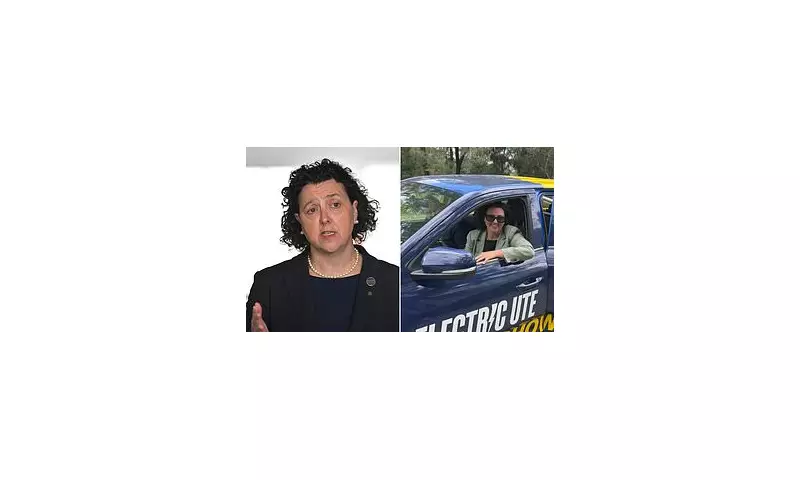
Teal MP Monique Ryan is taking direct aim at a provision in Australia's luxury car tax that allows many large, high-priced dual-cab utes to avoid the levy entirely. The tax, which imposes a 33 per cent charge on the portion of a car's price above a set threshold, was designed to target luxury passenger vehicles.
However, because these substantial utes are classified as commercial vehicles, they escape the tax even when their price tag soars well beyond $100,000. Dr Ryan argues this rule, created to assist genuine work vehicles, has become an outdated incentive for private buyers to choose "mega-utes" over safer, cleaner alternatives.

Stark Statistics on Safety and Pollution
Citing alarming safety data, Dr Ryan stated that large SUVs and utes are 82 per cent more likely to kill children in collisions and 44 per cent more likely to kill adult pedestrians or cyclists. She emphasised the broader environmental and infrastructural impact, noting these vehicles damage roads and worsen air pollution, harming public health.
"There are twice as many utes as tradies in Australia," she said, highlighting the discrepancy. "We need to remove the luxury car tax exemption, which incentivises people to buy mega-utes instead of safer, cleaner, smaller cars and SUVs."
Pedestrian Deaths Hit a 17-Year High
The call for reform comes against a grim backdrop of rising road fatalities. Dr Ryan pointed to a recent report showing pedestrian deaths in Victoria have reached a 17-year high. According to Transport Accident Commission data, 51 pedestrians had been killed on Victorian roads so far this year, the highest annual tally since 2008.
Transport safety researcher Milad Haghani from Melbourne University told The Age that the increasing size of vehicles on Australian roads is a key driver behind a nationwide surge in pedestrian deaths.
An Outdated Tax in a Changed Market
The luxury car tax was introduced in 2000 to protect Australia's domestic car industry and target high-end imports. Critics, including Dr Ryan, contend it has barely been updated since local manufacturing ended and its thresholds are now badly out of date.
This inertia creates a perverse outcome: smaller electric and hybrid vehicles are hit with the tax once they cross the luxury price threshold (approximately $89,000 for fuel-efficient models), while far larger, high-emission utes costing much more remain exempt. Opponents say this unfairly penalises cleaner technology while encouraging the everyday use of oversized, polluting vehicles.
The debate puts a spotlight on how tax policy influences consumer choice, public safety, and environmental goals, with campaigners urging the government to align its regulations with contemporary road safety and climate challenges.