April's Financial Squeeze: Household Bills Set for Significant Rises
Households across the United Kingdom are bracing for a substantial financial onslaught as a host of essential bills are scheduled to rise from April 1, 2026. This annual adjustment period brings increased costs in several key areas, putting further pressure on family budgets already strained by economic challenges.
Council Tax Increases Across England
According to the Ministry of Housing, Communities & Local Government, the average Band D council tax in England for the 2026/27 financial year will reach £2,392. This represents an increase of £111, or 4.9%, compared to the previous year. This marks the fourth consecutive year that England-wide council tax increases have averaged approximately 5%.
The published figures include all additional charges, such as adult social care contributions, parish precepts, and costs levied by police, fire, and regional authorities where applicable. For households struggling with these increases, several relief options exist. Single-person households qualify for a 25% discount, while full-time students can be fully exempt. Those on low incomes may apply for reductions of up to 100%, with carers and people with disabilities also potentially qualifying for assistance.

Important note: These discounts are not applied automatically. Households must proactively contact their local council to claim any eligible reductions. Additionally, residents can request bill reviews or arrange to spread payments over more months to help manage the financial burden.
Water Bills Rising with Regional Variations
Household water bills across England and Wales will increase by an average of 5.4% from April, adding approximately £33 to annual costs for the average household. However, significant regional disparities exist in these increases. Customers of Severn Trent will see a 10% rise, while Sutton and East Surrey Water imposes an 11% increase. Bristol Water customers face a 12% hike, and Affinity Water (central region) customers have been warned of a substantial 13% jump.
Approximately 2.5 million households may be eligible for social tariffs, which could provide savings of around 40% on water bills for qualifying residents.
Broadband and Mobile Phone Price Hikes
Major telecommunications providers are implementing significant price increases. BT, EE, Plusnet, and Virgin Media are all raising broadband prices by £4 per month, while Sky increases by £3 and Vodafone by £3.50. These adjustments add nearly £50 more to annual bills for affected customers.
Compounding this issue, approximately one in four broadband customers are currently out of contract, paying up to £9 more per month than those within contract periods. These customers are free to leave their providers and seek better deals elsewhere. For those wishing to remain with their current provider, contacting them directly to negotiate lower prices is recommended.
The situation is similar for mobile phone users. Totally Money reports that "millions" of people are out of contract with their mobile providers and therefore free to seek better arrangements. Some SIM-only deals are available for less than £5 per month. Mobile customers can text 'INFO' to 85075 to determine their contract status and should shop around if no longer bound by agreements.
Energy Prices: Temporary Relief with Future Concerns
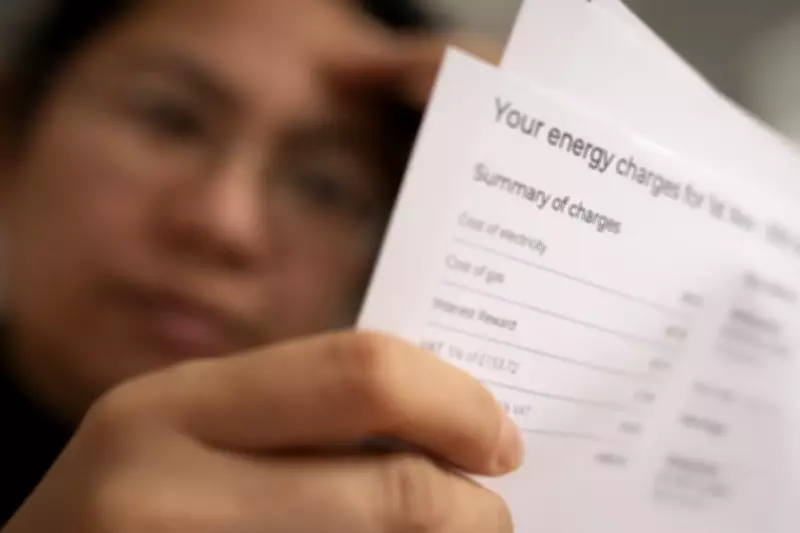
In some welcome, though temporary, news, the price most households pay for energy will decrease by 7% from April 1. Ofgem's price cap will drop from £1,758 to £1,641, representing a reduction of £117 or approximately £10 per month for average dual-fuel households.
However, this reduction falls short of the average £150 cut to bills pledged by the Chancellor in November 2025, when she moved 75% of the renewables obligation cost from household bills to general taxation and scrapped the energy company obligation (Eco) scheme.

Of increasing concern is the potential for energy bills to rise significantly from July due to ongoing Middle East conflicts. Latest predictions suggest possible increases of up to £288 annually. Approximately 22 million households remain on their supplier's Standard Variable Rate, paying the maximum allowed by regulators. Experts suggest now is an opportune time for these households to investigate fixed-rate deals that could provide protection against future price volatility.