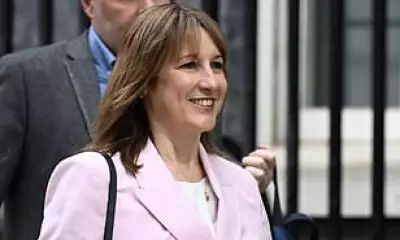
Industry leaders across the UK's drinks sector have issued stark warnings that consumers will face higher prices at bars, pubs and supermarkets as a significant alcohol duty increase comes into force. The tax charged on alcoholic beverages will rise by 3.66% from Sunday February 1, following confirmation in Chancellor Rachel Reeves' autumn budget that duty would increase in line with Retail Prices Index inflation.
Direct Impact on Producers and Trickle-Down Effect
The duty is levied directly upon alcohol producers, but industry chiefs have cautioned that a trickle-down effect will inevitably reach shoppers. This comes after businesses have already absorbed numerous other cost increases in recent years, leaving many with minimal room for further financial absorption.
Specific Price Increases Revealed
Official data illustrates the tangible impact of these changes. The duty on a typical bottle of gin with 37.5% alcohol by volume will increase by 38p to £8.98 after VAT. Meanwhile, a bottle of Scotch whisky at 40% ABV will see its duty rise by 39p to £9.51. For wine drinkers, a bottle of 14.5% red wine will experience a 14p duty increase.

The Wine and Spirit Trade Association has highlighted that the tax on a bottle of 14.5% red wine has increased by £1.10 since the current alcohol duty regime was introduced in August 2023. This steady escalation has placed considerable pressure on producers and retailers alike.
Industry Response and Calls for Reform
Emma McClarkin, chief executive of the British Beer and Pub Association, expressed concern about the implications for both brewers and publicans. These changes unfortunately increase the likelihood of further price rises, which no brewer or publican would want to inflict on their customers, she stated. For brewers, who already pay some of the highest rates of beer duty in Europe, this increase will add further strain to their already razor-thin profit margins.
Miles Beale, chief executive of the WSTA, criticised the government's approach, noting that the complexities of price changes, especially for wine which is now taxed by strength, mean more red tape headaches ahead. He emphasised that businesses face multiple cost pressures including national insurance contributions, business rates and waste packaging taxes, leaving them no choice but to increase prices in order to keep afloat.
Spirits Industry Concerns
The UK Spirits Alliance, representing hundreds of distillers nationwide, has written to the Chancellor urging a review of duty policies to foster growth and establish a more sustainable long-term approach. Braden Saunders, UK Spirits Alliance spokesperson and co-founder of Doghouse Distillery in Battersea, described the timing as particularly ironic. Just as dry January draws to a close and people contemplate their first hard-earned drink, they're met with higher prices at the bar, he remarked, adding that the spirits industry has been treated as a cash cow by consecutive governments.
Broader Hospitality Sector Pressures
Allen Simpson, chief executive of UKHospitality, highlighted the cumulative challenges facing the sector. Hospitality businesses are facing price pressures at every turn and our sector's cost burden is growing at an unsustainable rate, he explained. While alcohol duty increases are not paid directly by operators, Simpson urged suppliers to show restraint in passing on these costs, recognising the economic pressures already affecting the industry.
The duty increase affects beer sold in both pubs and supermarkets, with pubs experiencing their first such increase since 2017. Notably, some beer brands have already reduced their alcohol strength to 3.4% ABV to benefit from lower duty rates established in the 2023 overhaul, which significantly reduced tax on beers below 3.5% ABV.
Government Justification and Wider Context
A Treasury spokesman defended the policy, stating that alcohol duty plays an important role in ensuring public finances remain fair and strong and funds the public services people rely on every day. The spokesman highlighted other government measures aimed at reducing living costs, including energy bill reductions, increases to the National Living Wage, and freezes on fuel duty, rail fares and prescription fees.

For too long the economy hasn't worked for working people, and cost-of-living pressures still bear down, the spokesman added, emphasising the government's commitment to rebuild the public services we all rely on through record funding for schools and the NHS.
As the duty increase takes effect, industry representatives continue to voice concerns about the cumulative impact of rising costs on both businesses and consumers, with many predicting that price adjustments will be unavoidable across the UK's drinks and hospitality sectors.