By today's standards of diversity and heightened sensitivity, many iconic British adverts from the 1990s and early 2000s would likely be stopped before they ever hit our screens. Since 2019, UK advertising rules enforced by the Advertising Standards Authority (ASA) have explicitly banned gender stereotypes likely to cause harm or widespread offence. This marks a seismic shift from a simpler era where brands pushed boundaries with campaigns that now seem shockingly out of step.
The Age of Unchecked Stereotypes and Shock Tactics
The landscape of British advertising has undergone a radical transformation. Where once brands relied on blatant gender stereotypes and risqué humour to sell products, today's regulators demand greater social responsibility. This look back reveals a catalogue of campaigns that captivated audiences at the time but would undoubtedly spark outrage and swift bans in 2024.
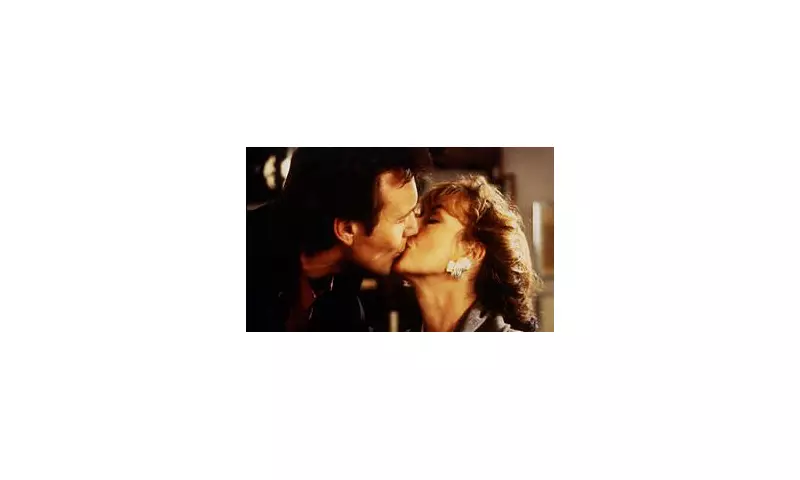
Nescafé Gold Blend's 1987 mini-series captivated the nation with a slow-burn romance between neighbours Sharon Maughan and Anthony Head, fuelled by instant coffee. Their flirtatious encounters, culminating in a late-night phone call, were must-watch TV. However, the portrayal of a potentially inappropriate relationship and themes of infidelity would likely face scrutiny from modern viewers and regulators alike.

In 2001, Carte D'Or ice cream aired a family dinner ad where a grandmother bluntly told a young man, "He's not your dad. We never knew who your dad was." The jarring revelation, used to contrast with the product's shareability, highlighted a taste for awkward, cringe humour that would be considered highly insensitive today.
Campaigns That Sparked Real-World Harm and Outrage
Some adverts didn't just offend; they inspired dangerous mimicry. The early 90s Tango 'Orange Man' campaign featured a brightly-painted man slapping people who drank the fizzy drink. This led to a playground craze of children 'Tango-ing' each other, resulting in injuries, including a damaged eardrum in one case, forcing the ad to be pulled.
Perhaps one of the most famously exclusionary campaigns was Yorkie's 'Not for Girls' slogan, launched in 2002. It explicitly marketed the chocolate bar as a male-only product, with one ad showing a woman in disguise being denied the treat after failing 'manly' tests. This blatant gender-based marketing would directly contravene current ASA rules.
Similarly, a 2009 advert for McCoys crisps declared them 'Man Crisps'. It showed a man being ejected from a pub in shame for selecting a 'soft' song on the jukebox, reinforcing rigid stereotypes about masculine interests.
Sexual Innuendo and Questionable Taste
The use of sexual themes was often brazen. Wonderbra's 1994 'Hello Boys' billboard, featuring model Eva Herzigova, became iconic but was criticised as degrading. While the model defended it as empowering, its male-gaze focus would clash with contemporary perspectives.
In 2002, Carling's 'Lick It' World Cup advert showed a woman getting her partner to clean by pouring beer on the floor and herself, which he then licked up. The ITC received 69 complaints, ruling it clearly mimicked oral sex and was too sexually suggestive for pre-watershed viewing.
Lynx's 2008 'Chocolate Man' ad for its Dark Temptation range showed a man turning into chocolate and being suggestively bitten by women on the street. The overt sexualisation would struggle in today's climate.
Protein shake brand For Goodness Shakes had its 2013 ad banned by the ASA for alluding to public masturbation, with people shaking objects off-camera. The regulator stated it was "likely to cause serious or widespread offence."
Levi's 2000 ad 'Seen in All the Wrong Places' featured a woman undressing in a men's bathroom, believing the only other occupant was a blind man. The punchline revealing he wasn't blind was deemed a wince-worthy invasion of privacy.
Celebrity Missteps and Cultural Insensitivity
In 1997, Sarah Ferguson starred in a Weight Watchers ad saying dieting was "harder than being the Duchess of Pork." The brand, which has since faced backlash over body image issues, would likely avoid such self-deprecating humour now.

The 1980s Um Bongo jingle cheerfully sang about the drink being consumed "in the Congo," a bizarre and culturally appropriative claim for a juice made in Cumbria that would be unthinkable today.
An Irn Bru ad from 2000, banned by Ofcom in 2004, featured a mother in a family singalong who revealed, "I 'specially love Irn Bru; Even though I used to be a man." It was widely criticised as insensitive to the transgender community.
Even beloved campaigns have been re-evaluated. The return of Cadbury's Milk Tray Man in 2016 was branded "a horror film" by critic Peter Bradshaw, who questioned the romanticisation of a cloaked figure breaking into a woman's flat to leave chocolates.
These adverts serve as a fascinating time capsule, reflecting social attitudes that have evolved dramatically. They underscore how the ASA's 2019 rules on harmful stereotypes have fundamentally reshaped the creative boundaries of British advertising, ensuring what was once mainstream shock value now remains firmly in the past.