Not long ago, £100 represented a substantial sum for a weekly supermarket shop, but the purchasing power of that amount has dramatically eroded amid Britain's persistent grocery price inflation. UK retail food prices have surged 38 per cent above pre-pandemic levels, and analysts are concerned that further significant increases could materialise if disruptions from the ongoing conflict in Iran continue to affect supply chains.
Stark Price Comparisons Reveal Soaring Costs
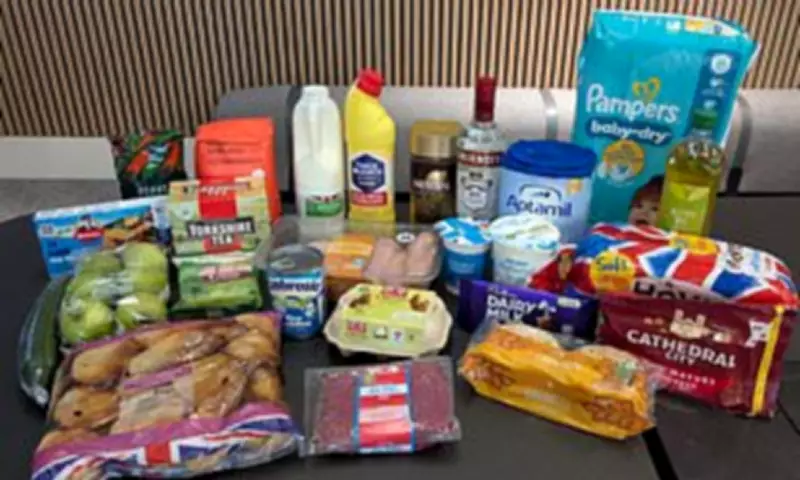
Data specialists at Assosia have conducted a comprehensive analysis of what £100 can purchase today compared to March 2021. By examining average pre-promotion prices across four major supermarkets—Tesco, Sainsbury's, Asda, and Morrisons—they compiled a typical family shopping basket totalling £101.61. This represents a staggering 41 per cent increase, or nearly £30 more, than the equivalent basket cost of £71.82 just five years ago.
Most Dramatic Price Hikes
The study identified several products that have experienced extraordinary price inflation. The most severe increase was for one litre of own-label olive oil, which jumped from £2.85 in 2021 to £6.66 today—a remarkable 133 per cent rise of £3.81. Close behind, a cucumber soared 128 per cent from 44p to 99p, while an Ambrosia rice pudding can increased 114 per cent from 81p to £1.74.

Other notable increases included six free-range medium eggs, up 113 per cent from 84p to £1.79, and 500g of 5 per cent fat beef mince, which doubled in price from £2.59 to £5.19. Among the twenty-six products analysed, none have decreased in price since 2021. The smallest rise was for 800g of Aptamil baby milk formula powder, which increased by a relatively modest 17 per cent to £1.97.
Additional Products with Significant Increases
Several other everyday items have seen price rises exceeding 50 per cent. These include 750ml bleach (up 80 per cent to 75p), 300ml double cream (up 67 per cent to £1.69), 250g Yorkshire Tea bags (up 65 per cent to £1.72), and a 110g Cadbury Dairy Milk chocolate bar (up 62 per cent to 78p).
Real-World Shopping Experiences Confirm the Trend
The Daily Mail independently tested the research by purchasing the exact shopping list at a Sainsbury's store on Cromwell Road in West London, where the total came to £103.80. This real-world experiment corroborates the alarming trend identified in the data analysis.
Across social media platforms, TikTok users and content creators regularly document their grocery hauls, highlighting what £100 can purchase in contemporary Britain. Content creator Daisy Richmond posted a video of her weekly shop at Lidl with a £100 budget for her family of four, which ultimately totalled £120. She expressed shock at the prices encountered, noting that even budget supermarkets require careful planning to avoid unexpected costs.
Similarly, YouTube influencer Shannon Robinson shared an Ocado shop totalling £100, with a fifth of the budget spent on £22 worth of lamb. She emphasised the challenge of eating healthily on a tight budget, as whole foods often come at a premium compared to processed alternatives.
Another shopper, Jade Kelly from Glasgow, posted a TikTok video unpacking a Morrisons shop that cost £103, describing it as "expensive as hell." Her haul included various essentials and treats, yet she lamented that it did not constitute a full week's meals.
Expert Warnings and Economic Context
Industry experts have issued stark warnings about the potential for further grocery price inflation. Worldpanel by Numerator indicated that each additional 1 per cent increase in inflation could add over £50 to the average household's annual supermarket bill. Chocolate prices have been particularly affected by global cocoa supply shortages, with inflation for chocolate products currently at 8 per cent.
Susannah Streeter, chief investment strategist at Wealth Club, commented: "Shoppers are bracing for food costs to march higher again as the war in Iran increases supply chain costs. Grocery price inflation was stuck stubbornly at 4.3 per cent in March and is set to spiral upwards in the months to come."

The Institute of Grocery Distribution (IGD) has cautioned that UK households could face food inflation exceeding 8 per cent within months if disruption from the conflict persists, potentially more than doubling by summer. However, the British Retail Consortium has contested claims of recent price increases, pointing to data suggesting food prices remained flat in March.
Harvir Dhillon, economist at the BRC, provided context: "Inflation rose significantly in 2021–2023 due to high energy costs, rising global food prices, and increased transport costs following Russia's invasion of Ukraine. As inflation eased, these higher costs became embedded in operations and supply chains. Average wages have since caught up, meaning that while £100 may buy less than before, an average day's wage should purchase the same amount of goods as it did five years ago."
Nevertheless, for many British families, the reality at the checkout tells a different story, with £100 buying significantly fewer groceries than just a few years ago, placing continued pressure on household budgets amid ongoing economic uncertainty.