
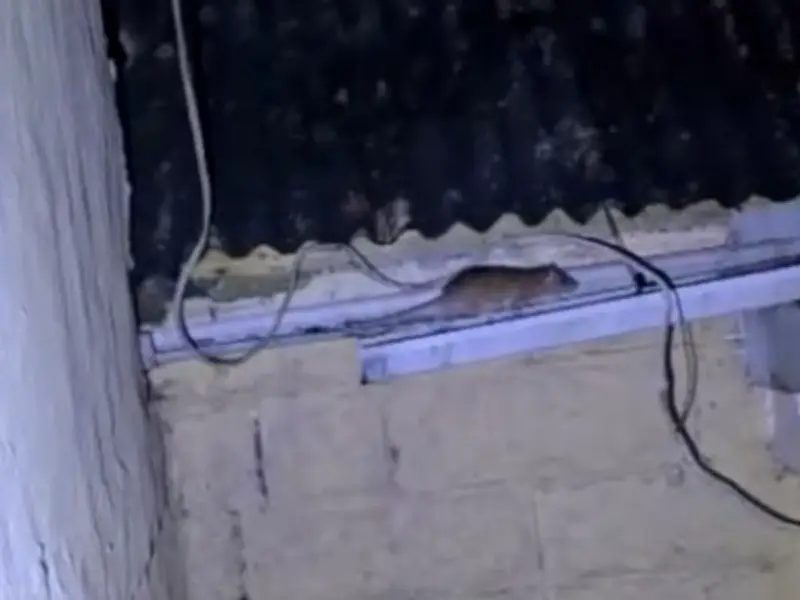
A woman has been fined more than £1,500 after her persistent bird feeding attracted large numbers of rats, causing distress to neighbouring properties, including a school. The court also imposed a criminal behaviour order, known as a 'crasbo', restricting her future bird feeding activities.
The penalties were handed down at Swansea Magistrates Court following a prosecution by Neath Port Talbot Council's environmental health team. Lorraine Riordan, of Morriston Place, Tairgwaith, Ammanford, pleaded guilty to four counts of failing to comply with a prohibition order under the Environmental Protection Act 1990.
The court heard that a primary school, an equine business, and local residents reported numerous rat sightings caused by the accumulation of bird food in Riordan's garden. Witnesses also saw her leaving meat containing bones on public land, which posed a risk to dogs and other animals. The council had previously served an abatement notice, which she failed to comply with.
Riordan was fined £744 and ordered to pay £500 towards prosecution costs and a £296 victim surcharge. Additionally, she was made subject to a two-year criminal behaviour order with strict conditions.
Terms of the Criminal Behaviour Order
Under the order, Riordan must:
- Feed birds only using purpose-designed bird feeders within her garden, unmodified.
- Remove any spilled or dropped feed beneath or around the feeders at least once every 24 hours.
- Store all food items in sealed containers when not in use.
- Keep bird feeders in good repair to minimise spillage.
She must not:
- Feed wild birds in any public place or on any land within 1.5 kilometres of her home, except for the permitted garden feeders.
- Deposit, scatter, or leave out food items in public places or accessible land.
- Encourage others to feed birds on her behalf within the restricted area.
- Place food directly on the ground in her garden.
- Use more than two bird feeders in her garden at any time.
- Replenish feeders more than once a week.
The case highlights the importance of responsible wildlife feeding to prevent public health hazards.




