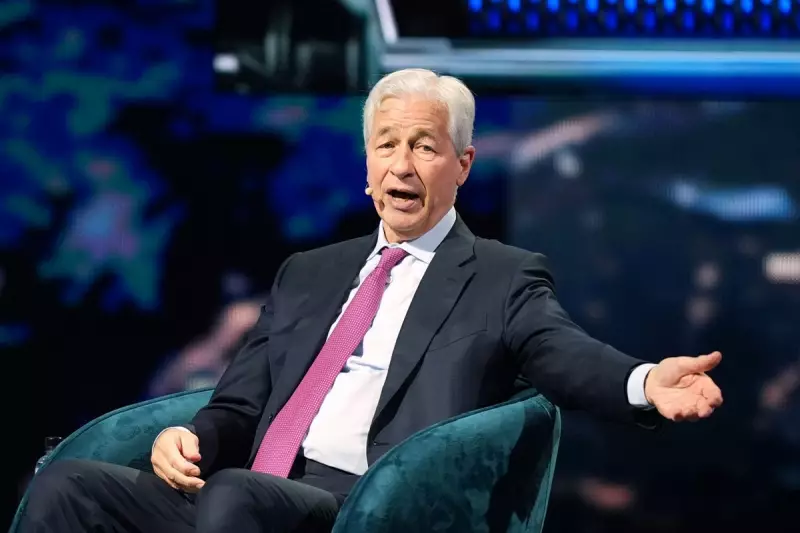
Former President Donald Trump has initiated a high-stakes $5 billion legal action against banking behemoth JPMorgan Chase and its Chief Executive Officer Jamie Dimon. The lawsuit, filed in Miami-Dade County court in Florida, centres on allegations that the financial institution terminated banking services to Trump and his business enterprises for explicitly political motives following his departure from the White House.
Core Allegations of Political Motives
The legal complaint asserts that JPMorgan Chase abruptly closed multiple accounts belonging to Trump and his corporate entities in February 2021, providing a mere 60 days' notice without furnishing any substantive explanation. Trump contends that this action severed access to millions of dollars, severely disrupted business operations, and compelled an urgent scramble to establish new banking relationships elsewhere. The lawsuit explicitly states, "JPMC debanked (Trump and his businesses) because it believed that the political tide at the moment favored doing so."
Personal Appeals and Alleged Blacklisting
Further details within the filing reveal that Trump personally attempted to raise the issue with CEO Jamie Dimon after the account closures commenced. According to the suit, Dimon assured Trump he would investigate the matter but subsequently failed to follow up. Trump's legal team also alleges that JPMorgan placed the former president and his companies on a confidential reputational "blacklist." This list, purportedly used by JPMorgan and other financial institutions, is designed to prevent listed clients from opening accounts in the future, effectively locking them out of the banking system.

Broader Context of Banking Tensions
This lawsuit emerges during a period of heightened friction between the Trump administration and Wall Street. The president recently threatened legal action against JPMorgan and has advocated for capping credit card interest rates at 10% to alleviate consumer costs. As one of the nation's largest credit card issuers, Chase has indicated it would vigorously oppose any legislative move to implement such a cap. Industry executives have also expressed concern over Trump's critiques of Federal Reserve independence.
The Politicisation of Debanking
The practice of "debanking"—where a bank closes a customer's accounts or refuses to provide loans and services—has evolved from a niche financial issue into a politically charged national debate. Conservative figures frequently argue that banks discriminate against them and their associated interests. This narrative gained traction during the Obama administration with accusations of pressure on banks to sever ties with gun stores and payday lenders under "Operation Choke Point."
Following the January 6, 2021, attack on the U.S. Capitol, Trump and other conservatives allege that banks used "reputational risk" as a pretext to close accounts. Since returning to office, Trump's banking regulators have taken steps to prohibit financial institutions from employing reputational risk as grounds for denying service. The lawsuit frames JPMorgan's actions as indicative of "a systemic, subversive industry practice that aims to coerce the public to shift and re-align their political views."
Legal Claims and Bank's Response
Trump's legal action accuses JPMorgan of trade libel and alleges that CEO Jamie Dimon personally violated Florida's Unfair and Deceptive Trade Practices Act. In a firm rebuttal, JPMorgan issued a statement expressing regret over the lawsuit but staunchly denying the allegations. A bank spokesperson asserted, "JPMC does not close accounts for political or religious reasons. We do close accounts because they create legal or regulatory risk for the company." The bank maintains the suit is entirely without merit.
The case promises to intensify scrutiny on the relationship between major financial institutions, political figures, and the contentious practice of debanking, setting a significant precedent for how banks manage client relationships amid political polarisation.