
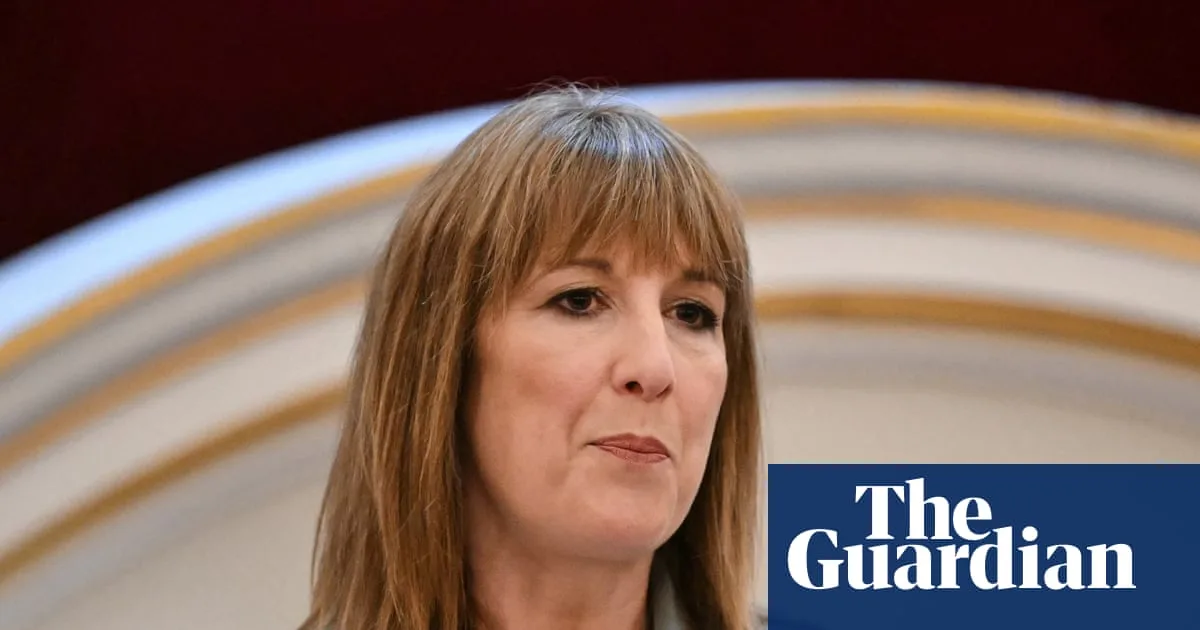
Rachel Reeves has been cautioned by prominent City figures that her plan to reduce financial regulation could increase risks in the banking industry while offering little benefit to British households. The Chancellor used her Mansion House speech on Tuesday to argue that regulation was acting as a “boot on the neck of business” and pledged sweeping changes to revive the economy.
Sir John Vickers, architect of the ringfencing rules introduced after the 2008 financial crisis to separate high street banking from riskier investment banking, said a wholesale retreat from the reform would be a “very bad idea”. Lord Turner, former chair of the Financial Services Authority during the crash, warned that the costs of getting it wrong far outweigh the gains from loosening requirements.
Lord Tyrie, who chaired the post-crisis parliamentary commission on banking standards, said it would be “imprudent” to scrap ringfencing after banks had invested heavily in separating retail banking from riskier activities. He cautioned against succumbing to lobbying in the belief that watering down the rules would boost economic growth.
Reeves committed to a “meaningful reform” of the safeguards, with the government reviewing the rules to balance financial stability and economic growth. However, Vickers argued that removing a layer of protection for everyday banking from global shocks would increase risk without benefit. Bank of England Governor Andrew Bailey also warned last month that watering down rules could lead banks to divert cash to global investment arms at the expense of UK businesses and households.
The Treasury said it would work with the Prudential Regulation Authority to consider if ringfenced banks could provide more products. The warnings come after bosses of HSBC, Lloyds, NatWest and Santander lobbied Reeves to remove ringfencing rules, arguing they drag on lending to the British economy.




