
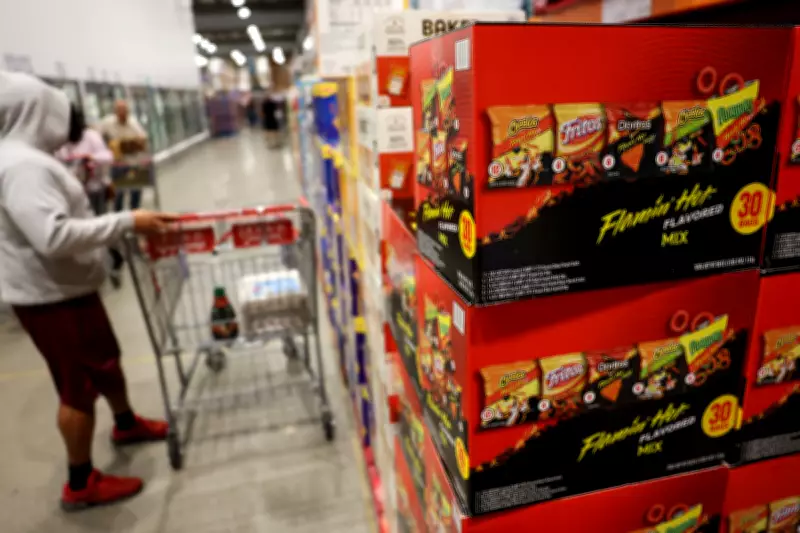
PepsiCo Forced into Major Snack Price Cuts After $7 Doritos Spark Consumer Revolt
PepsiCo has been compelled to implement significant price reductions across its snack portfolio, a dramatic reversal following years of aggressive increases that saw bags of its chips, including Doritos, surge to highs of $7 in some stores. The move comes after the company's Frito-Lay division experienced a severe sales slump and faced mounting pressure from major retailers and consumers alike.
The Steady Climb to $7 Bags and the Resulting Backlash
Over recent years, PepsiCo consistently raised prices within its Frito-Lay unit, which manufactures iconic brands such as Doritos, Lay's, and Cheetos. This strategy was initially deployed to bolster revenue amidst an inflationary period marked by escalating costs for ingredients, packaging, and transportation. However, the cumulative effect of these hikes became untenable.
According to reports from Bloomberg, brand executives were acutely aware that soaring snack prices had become a critical issue as sales at Frito-Lay began to decline. Consumer data from Attain revealed that at Walmart, Doritos prices had skyrocketed by nearly 50% since 2021, with some bags exceeding $7. In response, Walmart took decisive action by reducing shelf space allocated to Frito-Lay products, reallocating that valuable real estate to its own lower-cost store brands and competitors like Takis.
Despite this clear market signal and the deepening sales downturn, PepsiCo did not immediately adjust its pricing strategy, allowing the financial strain to intensify.
The Strategic Pivot: Price Cuts and Value-Focused Packaging
By February, the mounting pressure forced a strategic overhaul. PepsiCo announced price cuts of up to 15% on select snacks and shifted its focus towards offering larger, better-value bag sizes for top-selling brands like Doritos and Cheetos. This decision was precipitated by significant internal financial distress; sources familiar with the situation disclosed to Bloomberg that Frito-Lay had missed its internal revenue targets by over $1 billion for two consecutive years.
CEO Ramon Laguarta confirmed in February that the company had begun testing price reductions in specific markets during the latter half of the previous year. Preliminary results from these trials in select cities yielded a "pretty good" increase in sales volume. Laguarta indicated that PepsiCo expects to determine by this summer whether these cuts are sufficient to sustainably revive market performance.
Tangible Benefits and Broader Strategic Restructuring
The price reduction strategy has already produced measurable improvements in retail relationships. On average, PepsiCo has secured a double-digit increase in shelf space at key retailers including Walmart, Costco, and Target, with these expanded placements anticipated to be fully operational by the end of April.
Beyond mere price adjustments, PepsiCo is undertaking a comprehensive restructuring of its business approach to reinvigorate sales. In December 2025, the company announced plans to streamline its product lineup by approximately 20%, concentrating resources on its most popular brands while discontinuing less successful items. Concurrently, it is boosting investment in promotional activities and modifying package sizes to enhance perceived value for consumers.
These sweeping changes are part of an agreement with activist investor Elliott Investment Management, which has been advocating for PepsiCo to simplify operations and improve overall financial performance, as reported by the Associated Press.
Financial Context and Market Analysis
Analysts note that prior to these corrective measures, PepsiCo's price increases had far outpaced general grocery inflation. Estimates suggest snack prices rose roughly 40% since 2020, compared to a broader food price increase of about 25%.
Despite the challenges within its snack division, PepsiCo's overall financial health remains robust. The company reported adjusted earnings of $2.26 per share for the fourth quarter, with net income climbing to $2.54 billion. This underscores the critical nature of the Frito-Lay division's performance to the conglomerate's sustained success and the urgency behind its current strategic recalibration.




