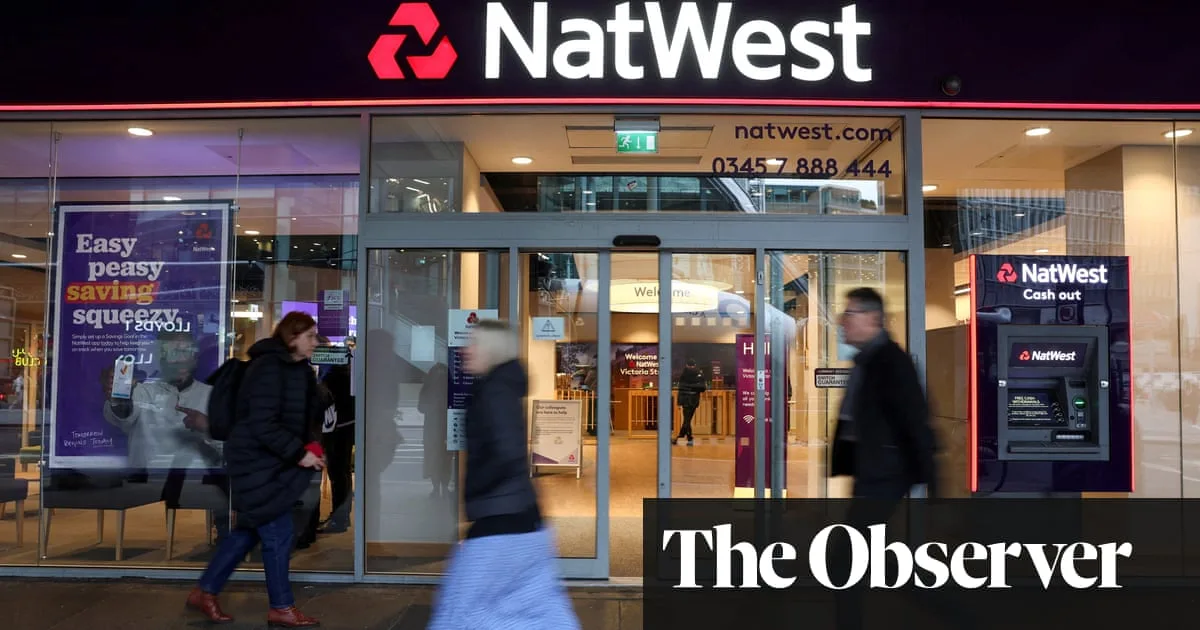
The number of current account switches in the UK has exceeded one million for the third year running, driven by a significant surge in customers seeking better financial deals towards the end of 2025. According to the latest data from the Current Account Switch Service (Cass), the final quarter of the year proved to be the busiest period, with an impressive 350,114 switches recorded between October and December.
Nationwide Emerges as Clear Market Leader
Nationwide Building Society has firmly established itself as the dominant player in the current account switching landscape, attracting a remarkable 41,450 new customers between July and September 2025. This substantial influx was largely fuelled by the building society's attractive £175 switching incentive and its popular profit-sharing scheme, which offers yearly payments to members.
John Dentry, product manager at Pay.UK which operates Cass, commented on the sustained high level of switching activity: "That level of activity is a clear sign of a healthy, competitive banking market, where people feel empowered to shop around and move to an account that better meets their needs."
Comparative Performance Across Banking Sector
The Cass data reveals a distinct hierarchy in customer movement patterns. Following Nationwide's strong performance, digital bank Monzo secured 9,934 new current account customers during the same period, while traditional high street bank NatWest attracted 8,731 switchers.
Conversely, several major banks experienced significant customer outflows. Santander suffered the most substantial losses, with nearly 20,000 customers switching away from their current accounts. Halifax followed with 17,341 departures, while JP Morgan's Chase bank lost 7,623 accounts during the three-month period.
Annual Switching Trends and Market Context
Throughout 2025, there were 1,054,521 current account switches in total, maintaining the million-plus threshold achieved in both 2023 and 2024. However, this figure represents a slight decline from previous years when higher interest rates created more intense competition for savings products across the banking sector.
Andrew Hagger, personal finance expert at Moneycomms, highlighted Nationwide's exceptional performance: "Nationwide has been particularly strong during the last two years, winning a massive 404,207 customers from competitor banks. They're head and shoulders above every other provider in attracting switchers."
The Switching Mechanism and Consumer Behaviour
The Current Account Switch Service facilitates automatic account transfers by seamlessly moving payments and direct debits to new providers. It's important to note that the Cass figures don't include customers who switch outside this formal system, meaning the actual number of account changes could be even higher.
Alastair Douglas, chief executive of TotallyMoney, observed that switching activity "heated up" towards the end of 2025, adding: "And we're unlikely to see things slow down any time soon, as a magnificent seven banks are currently offering switch incentives of at least £175."
Future Outlook and Consumer Advice
The competitive landscape shows no signs of cooling, with seven major banks – including Co-op, First Direct, HSBC Premier, Lloyds, Nationwide, Santander and TSB – all offering switching incentives of £175 or more. This creates a vibrant market where consumers can potentially benefit from improved services, interest-free overdrafts, or better branch access alongside cash incentives.
As Andrew Hagger succinctly put it: "Loyalty doesn't pay, but more often than not, moving your money can." This sentiment appears to be driving increasing numbers of UK consumers to regularly reassess their banking arrangements in search of better value and service.
The sustained high level of switching activity throughout 2025 demonstrates that British consumers are becoming increasingly proactive about managing their financial products, with Nationwide Building Society emerging as the clear beneficiary of this trend toward greater financial mobility.




