
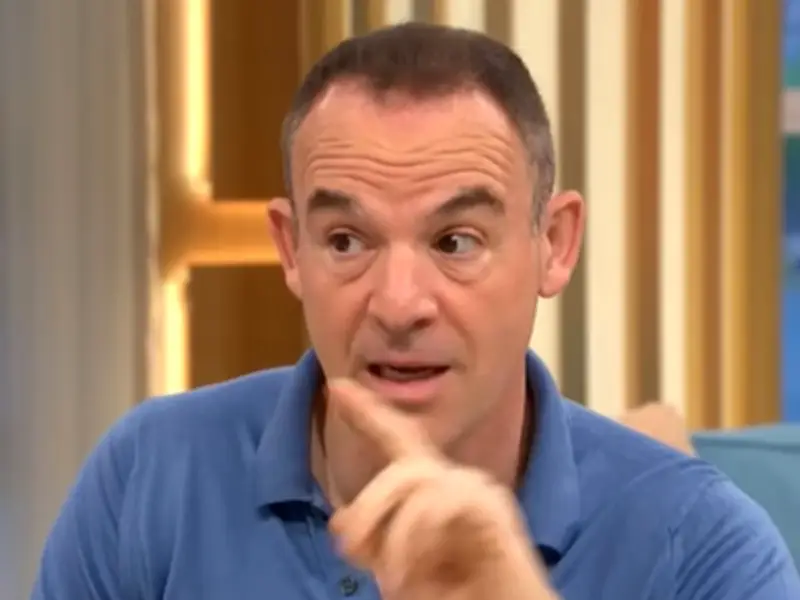
Martin Lewis has shared advice on the state pension and the rules around voluntary National Insurance contributions, addressing a listener's question on his BBC podcast. The money expert focused on an 'exception' rule where paying for gaps might be worthwhile, particularly for younger people.
Listener's question on filling NI gaps
Holly, a 36-year-old listener, asked whether she should pay to fill two years of gaps in her National Insurance record to reach 10 qualifying years. Having worked abroad and spent time in education, she wondered if it was worth it given she might later achieve 35 years for a full state pension. Lewis responded: "That's a really interesting question."
Two key conclusions from Lewis
Lewis first advised checking the state pension projection on gov.uk. If the projection shows a full state pension, he said paying for gaps is likely "overkill" because extra NI years do not increase the pension beyond the full amount. However, he noted an exception: if the gaps can be filled cheaply, such as part-years costing as little as £15 or £20. Normally, a full year costs around £900. Lewis stated: "The only time I would make an exception on that is if you could buy these years really, really cheaply."
Risks for younger savers
Lewis warned that at age 36, paying full price for NI years carries risks, including the possibility that the state pension might become means-tested in 30-35 years. He said: "There are a lot of risks in this in doing it now. If you are on to get the full state pension, I probably wouldn't be doing it - other than if you can get a year really cheaply." He advised Holly to take time and seek government guidance before deciding.
Rules on NI record gaps
Gaps can occur if you live or work abroad, are unemployed without benefits, self-employed with low profits, or have low earnings. The government recommends checking your NI record and considering voluntary contributions only after checking eligibility for NI credits. Contact HMRC if the record appears incorrect.




