
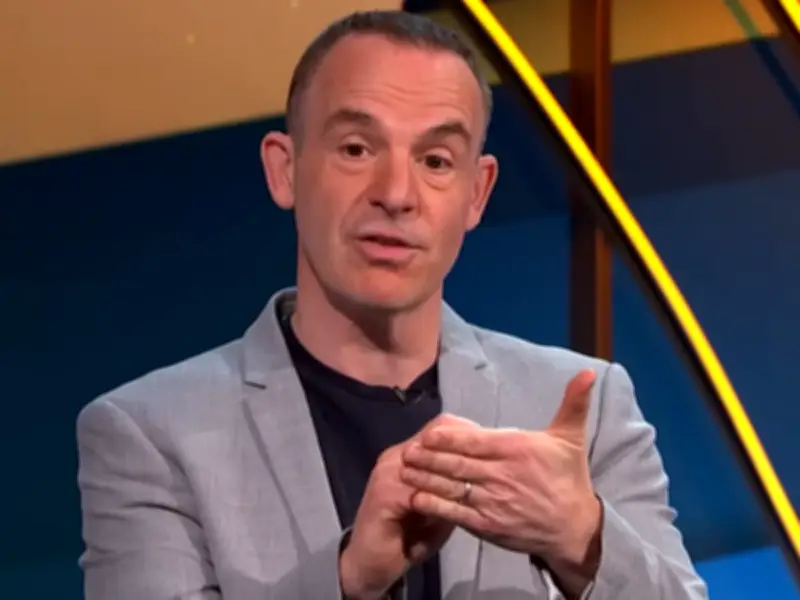
Martin Lewis has issued a warning about a tax rule that could save pensioners up to £6,000. The money-saving expert explained a little-known allowance that many people are unaware of.
Starting Rate for Savings
On his BBC podcast, Lewis discussed the starting rate for savings, which can significantly increase tax-free entitlements. He said: "There is the personal savings allowance, which I suspect many listeners will know about, which says a basic rate taxpayer can earn £1,000 of interest a year on any form of savings without being taxed."
Special Allowance
But the tax-free perks do not end there. Lewis revealed: "There is another allowance that people don't know about. It is called the starting savings allowance." He explained: "What happens with the starting rate of savings is if you have high savings interest and low earnings, then it is a special allowance that means up to the first £5,000 of your savings interest can be tax free, plus you get the personal savings allowance on top."
Lewis noted that pensioners especially could benefit, as they may have a modest pension income but a substantial savings pot generating considerable interest.
How Does the Starting Rate for Savings Work?
Once you have used your personal allowance (up to £12,570 tax-free), you can earn an additional £5,000 in savings interest without tax. However, this allowance decreases by £1 for every £1 you earn above the personal allowance from other taxable income. So if your other income exceeds £17,570, you get no starter rate.
This is separate from the personal savings allowance, which gives basic rate taxpayers up to £1,000 tax-free interest, and higher rate taxpayers £500. Additional rate taxpayers get no allowance.
Lewis gave an example: someone with a pension of £12,500 and £4,400 in savings interest would have total taxable income of £16,900. Without the starting rate, they would pay 20% on £3,330, a bill of £666. But with the full £5,000 starting rate, none of the interest is taxed.
£6,000 in Total Allowances
In practice, they could have a combined savings tax-free allowance of £6,000. Lewis calculated: "Someone who earnt £12,570 from earnt income and had £6,000 of interest from savings outside of ISAs could have all £18,570 tax-free."
He added: "Obviously, you'll need to do some thinking about how this applies to you. Effectively it was set up for people who have a low earnt income and high savings interest. Primarily it's pensioners who tend to be in that situation."




