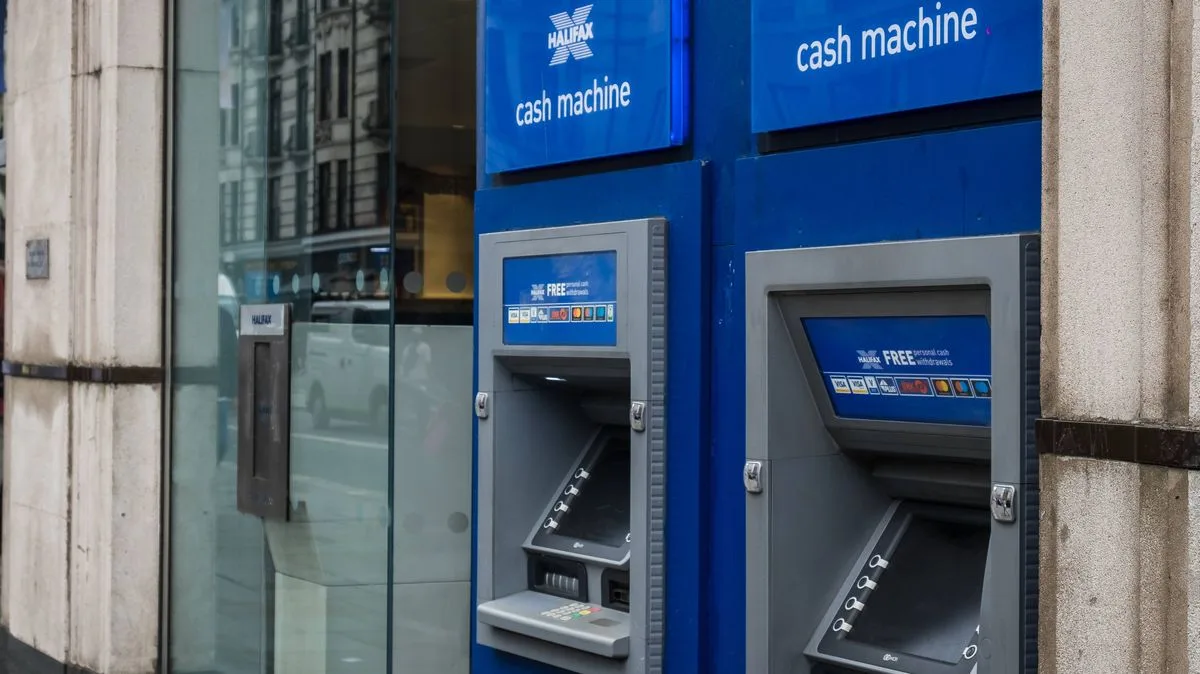
Lloyds Bank Enforces Strict Cash Deposit Limit at Self-Service ATMs
Lloyds Bank has implemented a firm cash deposit limit at self-service ATMs, impacting customers throughout the United Kingdom. The high street banking giant has established a rule that restricts individuals from depositing more than £2,995 in a single transaction at these automated machines.
Understanding the ATM Deposit Restrictions
With the ongoing reduction in physical bank branches and staffing levels across British towns and cities, many customers are increasingly turning to alternative methods for managing their finances. Self-service ATM-style machines offer a convenient way to credit cash directly into bank accounts without the need to queue for assistance from staff members.
Most major UK banks maintain these machines within their branches to streamline operations and reduce employee workloads. However, these automated systems come with specific limitations and regulations that customers must observe.
The £2,995 transaction cap applies uniformly at Lloyds Bank branches nationwide. For day-to-day banking activities, this restriction typically poses minimal inconvenience for the majority of customers. Those requiring to deposit larger sums must utilize traditional bank counters where staff can process the transactions manually.
Extended Impact Across Banking Group
This identical cash deposit limit extends to other financial institutions within the Lloyds Banking Group umbrella, specifically affecting Halifax and Bank of Scotland customers. All three banking brands operate under the same corporate parent and adhere to consistent policies regarding self-service machine usage.
Following significant restructuring announced in early 2026, Lloyds Banking Group will maintain 610 operational branches throughout the UK. The organization has outlined multiple cash deposit alternatives for customers seeking flexibility beyond ATM limitations.
Alternative Deposit Options Available
Customers have several alternative pathways for depositing cash when facing ATM restrictions:
- PayPoint Stores: Through mobile applications, customers can deposit up to £300 daily. When using debit cards at physical locations, the same £300 per transaction limit applies.
- Post Office Branches: Individuals can deposit up to £2,995 in a single transaction at local Post Office outlets, matching the ATM maximum limit.
- Banking Hubs: These community-shared facilities, operated by Cash Access UK and managed by the Post Office, provide over-the-counter services for cash and cheque deposits along with withdrawal capabilities.
Comparative Banking Landscape
Most prominent high street banks enforce similar cash deposit restrictions at their self-service machines. Institutions including Nationwide, NatWest, and Santander maintain comparable policies, though specific limits may vary between organizations.
Cheque deposit regulations differ significantly from cash restrictions. According to official Lloyds Bank guidelines, customers can deposit cheques through mobile applications with daily limits of £10,000 for personal accounts and £20,000 for business accounts. For larger cheque amounts, Immediate Deposit Machines at branches accept up to £750,000, while branch counters handle even greater sums.
Practical Considerations for Customers
When utilizing ATM services for cash deposits, customers receive paper receipts confirming their transactions. Debit card deposits should reflect immediately in account balances according to Lloyds Bank representatives.
The evolution toward automated banking solutions continues across the UK financial sector, with self-service machines playing an increasingly prominent role in daily transactions. Customers are advised to familiarize themselves with specific limitations at their banking institutions to avoid unexpected restrictions during financial operations.
As banking infrastructure undergoes continuous transformation, understanding these operational parameters becomes essential for seamless financial management. The £2,995 cash deposit limit represents one aspect of this evolving banking environment where automation and traditional services coexist within defined regulatory frameworks.




